Yazılar

TSMC Reinforces Commitment to Taiwan with New Domestic Fab Amid Global Expansion

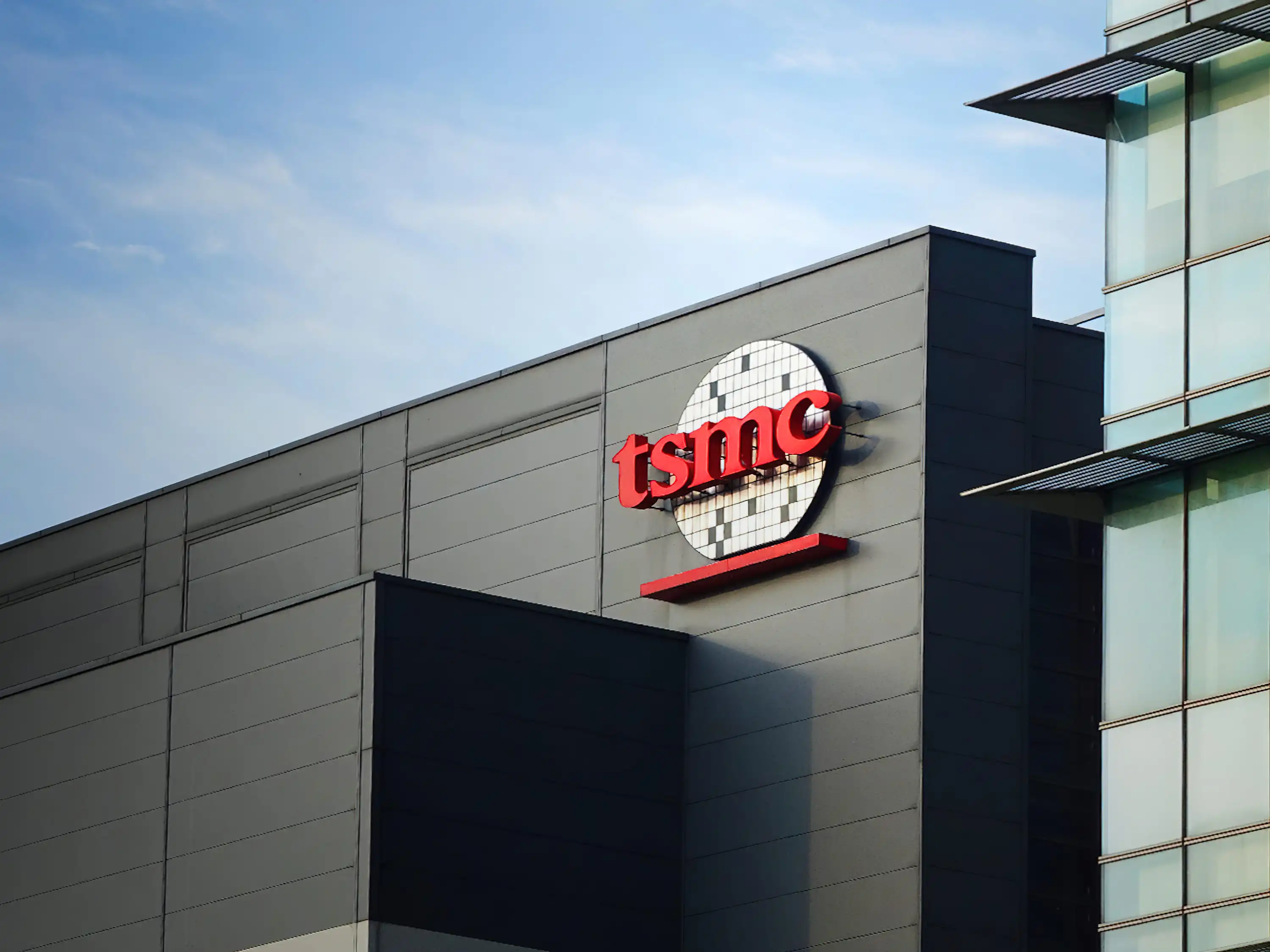
Taiwan Semiconductor Manufacturing Company (TSMC) reaffirmed its dedication to its home base with the opening of a new chip manufacturing facility in Kaohsiung, Taiwan. The factory, which will produce the company’s most advanced chips using 2nm technology, is expected to create 7,000 tech jobs on the island. This announcement comes amid concerns that TSMC’s significant investment in the United States could dilute its domestic presence.

TSMC’s executive vice president, Y.P. Chyn, made the remarks during a ceremony at the new fab, highlighting the company’s ongoing commitment to Taiwan even as it expands globally. The new facility is slated to begin volume production of 2nm wafers in the latter half of this year, according to the company’s schedule.

Despite its $100 billion investment plan in the U.S., TSMC and the Taiwanese government have both emphasized that a substantial portion of the company’s production will remain in Taiwan. TSMC, often called Taiwan’s “sacred mountain protecting the country,” plays a pivotal role in Taiwan’s economy, and the company’s officials reassured that Taiwan will continue to be at the heart of its operations.

While Taiwan’s Premier Cho Jung-tai expressed gratitude for TSMC’s assurances, noting that the company will always remain a “national team,” the company has also made clear that it intends to meet the growing demand of global customers, which has driven its expansion.

TSMC’s growing presence in the U.S. follows pressure from U.S. President Donald Trump, who has repeatedly criticized Taiwan’s semiconductor dominance and called for more manufacturing to return to the U.S. The concerns over potential tariff impositions highlight the delicate balance TSMC must strike as it manages its global footprint while maintaining its critical role in Taiwan’s economy.


Wolfspeed’s Shares Plunge to 27-Year Low Amid Uncertainty Over Federal Funding

Shares of Wolfspeed, a prominent chipmaker, dropped by 50% on Friday, hitting their lowest point since 1998. This significant decline stems from uncertainty surrounding the company’s eligibility for federal funding under the U.S. CHIPS Act. Wolfspeed is awaiting approximately $750 million in subsidies promised by the 2022 bipartisan CHIPS Act, which allocated $52.7 billion in federal funds to boost U.S. semiconductor manufacturing.

However, Wolfspeed’s future funding remains in limbo as the company is left vulnerable to changes in the administration’s stance on the law. President Donald Trump has recently voiced opposition to the CHIPS Act, calling for its repeal in favor of using its funds for debt reduction. This has increased concern over the company’s ability to secure the much-needed funds.

Analysts warn that without the CHIPS Act grant, Wolfspeed may face devastating consequences, including the need for major restructuring. The company had hoped the funding would help it accelerate the production of silicon carbide chips, essential for electric vehicles and renewable energy.

As of Friday, Wolfspeed’s shares were trading at $2.72, marking a 59% decline in value for the year. The company has also made changes in leadership, appointing Robert Feurle as CEO, effective May 1. Additionally, Wolfspeed has secured $865 million in tax credits to strengthen its financial position.

Taiwan Investigates SMIC for Alleged Illegal Recruitment of Tech Workers

Taiwanese authorities are investigating whether China’s top semiconductor manufacturer, SMIC (Semiconductor Manufacturing International Corporation), has been involved in illegally luring Taiwanese tech workers. According to Taiwan’s Justice Ministry’s investigation bureau, SMIC is suspected of using a shell company posing as a Samoan firm to recruit engineers on the island, specifically targeting the semiconductor talent in Hsinchu County, home to Taiwan’s semiconductor industry hub and TSMC (Taiwan Semiconductor Manufacturing Company).

The investigation is part of Taiwan’s broader effort to combat illegal activities aimed at stealing know-how and attracting talent from its advanced technology sector. Taiwan has long been a global leader in semiconductor manufacturing, making its high-tech workforce a prime target for Chinese firms, especially amid growing geopolitical tensions and U.S. export restrictions on China’s semiconductor industry.

Taiwan’s investigation has been extensive, with 180 agents conducting raids at 11 companies suspected of engaging in talent poaching. The authorities have already questioned 90 people and seized evidence from 34 premises. Since 2020, more than 100 such cases have been investigated.

SMIC, which has been increasing its efforts to expand its production capacity and counter U.S. sanctions, has not yet responded to requests for comment regarding the allegations.