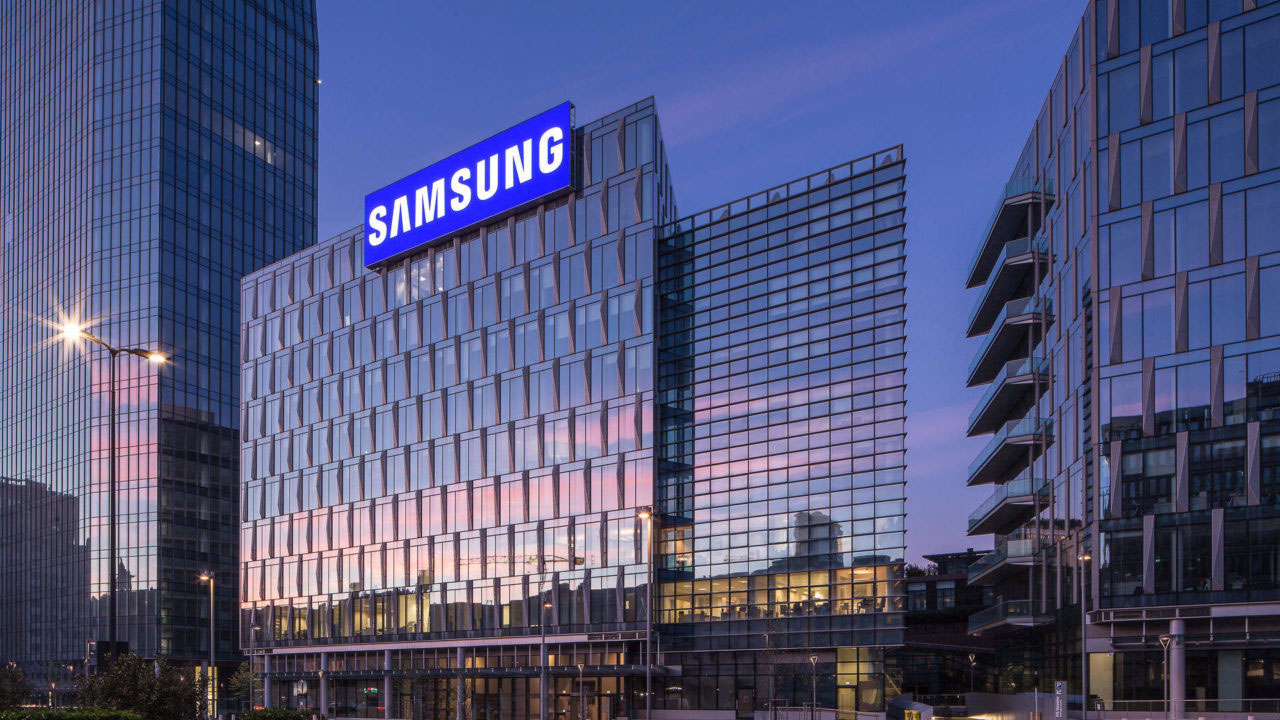
Samsung Faces AI Chip Sales Slowdown Amid U.S. Export Restrictions
Samsung Electronics warned on Friday that its AI chip sales will be sluggish in the first quarter due to U.S. export restrictions on China, as well as a shift in demand toward more advanced chips. The company is working to launch an improved version of its high-bandwidth memory (HBM) chips in March to address these challenges.
Samsung’s struggles are compounded by its reliance on Chinese customers, who accounted for about 20% of its HBM sales. The U.S. government’s expanded restrictions on semiconductor exports have put additional pressure on the company, unlike its competitor SK Hynix, which remains Nvidia’s primary supplier of HBM chips for AI applications.
Kim Jae-june, Samsung’s executive vice president of memory, acknowledged that “temporary restrictions” would impact HBM sales but expressed optimism about future improvements. Meanwhile, Nvidia CEO Jensen Huang recently indicated that Samsung needs to “engineer a new design” to meet Nvidia’s standards.
Despite these efforts, Samsung reported a 29% decline in operating profit for Q4, totaling 6.5 trillion won ($4.48 billion). The company also faces headwinds in the mobile market, where competition from Apple and Chinese rivals has eroded profits. Samsung’s decision to use Qualcomm processors for its entire Galaxy S25 lineup, instead of its in-house Exynos chips, represents another setback for its semiconductor division.
While AI-driven demand for memory chips is expected to recover from Q2 onward, Samsung’s long-term performance will depend on its ability to mass-produce advanced 12-layer HBM3E chips for Nvidia.