China to Lead in Chipmaking Investment in 2025, SEMI Reports
China is set to continue its dominance in global chipmaking investments in 2025, despite a notable year-over-year decline, according to a report from industry group SEMI. The country is expected to outpace all other regions in spending on new computer chipmaking equipment, followed by Taiwan and Korea.
Global Investment Growth
SEMI’s forecast for global fabrication plant investments shows a 2% increase in 2025, reaching $110 billion. This marks the sixth consecutive year of growth, driven largely by the demand for tools needed to produce chips for artificial intelligence (AI). SEMI predicts that the AI boom will have an even stronger impact on the industry in 2026, with an expected investment growth of 18%.
China’s Strategic Push and Decline in Investment
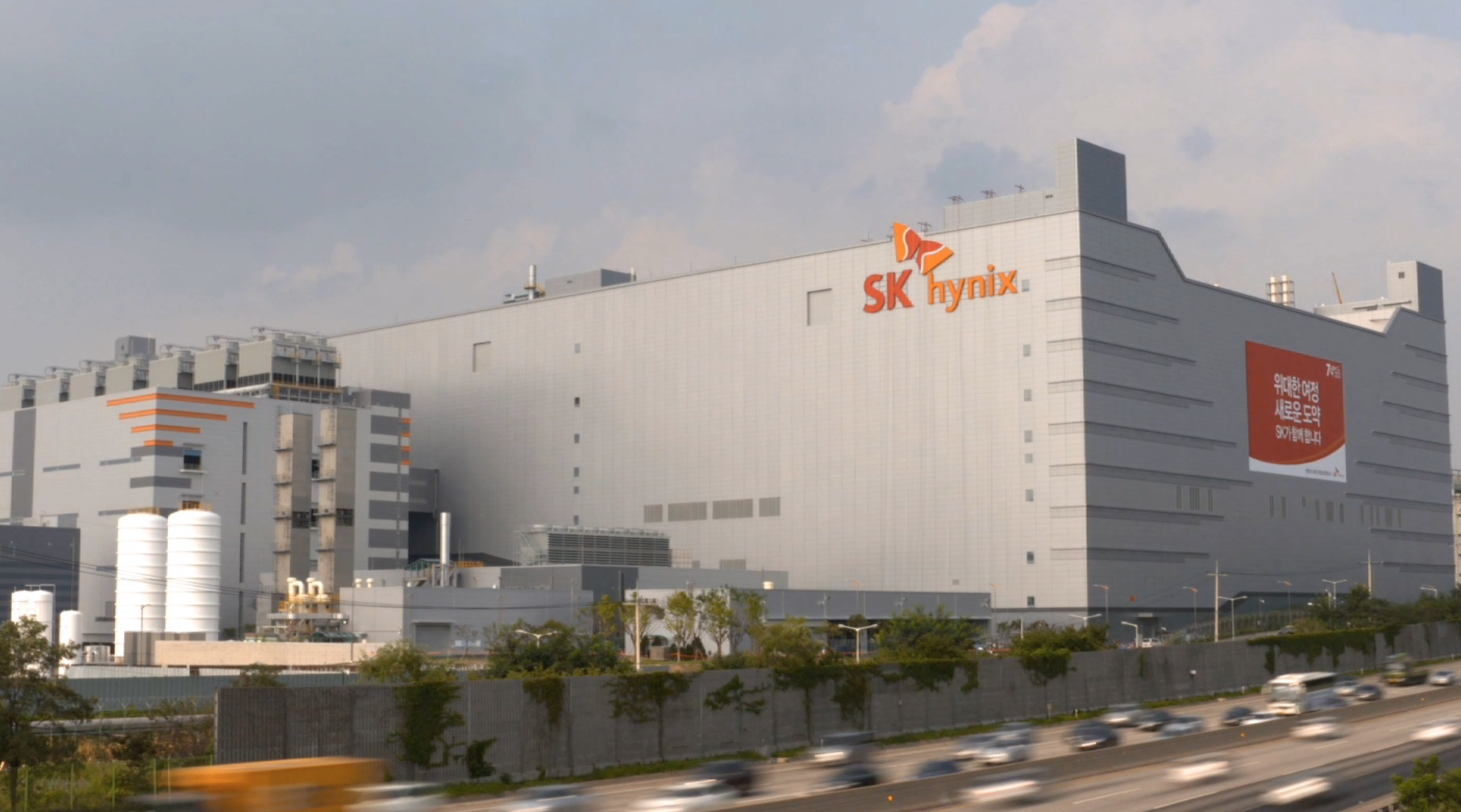
China has been the largest consumer of chips for years, and its chipmaking sector saw a massive push starting in mid-2023. With government support, China has accelerated efforts to reduce its dependence on imported chips, particularly in response to U.S. restrictions. Despite this surge, SEMI forecasts that China’s chipmaking spending will drop by 24% in 2025, falling to $38 billion from $50 billion in 2024. However, this still keeps China ahead of other major chip-producing countries like Korea, where SK Hynix and Samsung are expanding memory chip production, with investments projected at $21.5 billion.
Spending in Other Key Regions
Taiwan, home to TSMC, a major foundry for AI chips, is projected to spend $21 billion on chipmaking equipment in 2025. In comparison, spending in Korea will be significant, but not as high as China’s, with $21.5 billion expected. The Americas and Japan are each expected to invest $14 billion, while Europe’s investment is projected at $9 billion.
Key Players in the Equipment Market
The top players in the chip equipment market include ASML, Applied Materials, KLA, LAM Research, and Tokyo Electron. ASML, the largest chip equipment manufacturer, anticipates sales of €32-38 billion in 2025, maintaining a dominant market share in the lithography sector. Chinese equipment makers, such as Naura, AMEC, and SiCarrier (affiliated with Huawei), are also gaining traction in the market.