
Yazılar

Samsung unveils slimmer foldable phones to counter Chinese rivals and boost AI leadership

Samsung Electronics on Wednesday revealed thinner and lighter foldable smartphones as it seeks to defend its premium segment against growing Chinese competition from Huawei and Honor, while Apple has yet to enter this niche market.

Having lost its global smartphone crown to Apple in 2023, Samsung is pushing to regain momentum by integrating AI features into its foldable devices. Mobile President and COO Choi Won-joon highlighted foldables combined with AI as poised to go mainstream, offering users a unique and differentiated experience. Samsung aims to lead in AI-powered smartphones by collaborating with partners like Google, contrasting Apple’s in-house AI approach that has faced delays.

Alongside the foldables, Samsung launched its first smartwatches featuring Google’s AI voice assistant Gemini, which offers personalized recommendations such as running locations.

Samsung’s premium strategy continues amid U.S. tariffs that could raise costs. The new Galaxy Z Fold 7 is 10% lighter and 26% thinner than the Fold 6 and priced 5% higher at $1,999. The Galaxy Z Flip 7 FE offers a more affordable option at $899. The Fold 7 uses Qualcomm’s Snapdragon 8 Elite chip, while the Flip 7 runs on Samsung’s own Exynos processors.

Analysts say the new models address bulkiness concerns and strengthen Samsung’s premium brand image. However, foldables remain niche with just 1.5% market share globally. Research firm Canalys expects foldable shipments to stay flat or slightly decline in 2025, with Samsung’s foldables accounting for 4% of total phone sales but 16% of sales over $800. Samsung’s dominance is challenged by strong Chinese sales, especially in China.

Samsung will focus foldable sales on the U.S., Europe, and South Korea. The company is also developing a tri-fold phone to launch by year-end, allowing users to fold the device three ways.

To prepare for U.S. tariffs, Samsung accelerated production and shipments destined for the U.S., manufacturing primarily in Vietnam, South Korea, and India. It is also mitigating China’s rare earth export restrictions by diversifying suppliers and increasing internal stockpiles.

Apple’s iPhone Sales Lead Chinese Market in May Amid Global Growth, Says Counterpoint Research

Apple’s iPhone sales surged to the number one position in China in May, marking the company’s strongest two-month global sales growth since the COVID-19 pandemic, according to data from Counterpoint Research. The tech giant experienced a 15% year-on-year increase in global iPhone sales during April and May.

This growth was mainly driven by rebounds in Apple’s two largest markets: China and the United States. Counterpoint Research also reported double-digit sales increases in Japan, India, and Middle Eastern markets, further contributing to the positive trend.

Ivan Lam, Senior Analyst at Counterpoint Research, noted that the second-quarter iPhone performance is promising but emphasized that the market dynamics in the U.S. and China remain critical determinants for overall success.

Data from the China Academy of Information and Communications Technology showed that shipments of foreign-branded phones in China rose slightly to 3.52 million units in April, up from 3.50 million the previous year.

Despite the growth, Apple faces intense competition from Chinese domestic smartphone brands. To remain competitive, the company has implemented price cuts, with Chinese e-commerce platforms offering discounts of up to 2,530 yuan (approximately $351) on the latest iPhone 16 models in May.

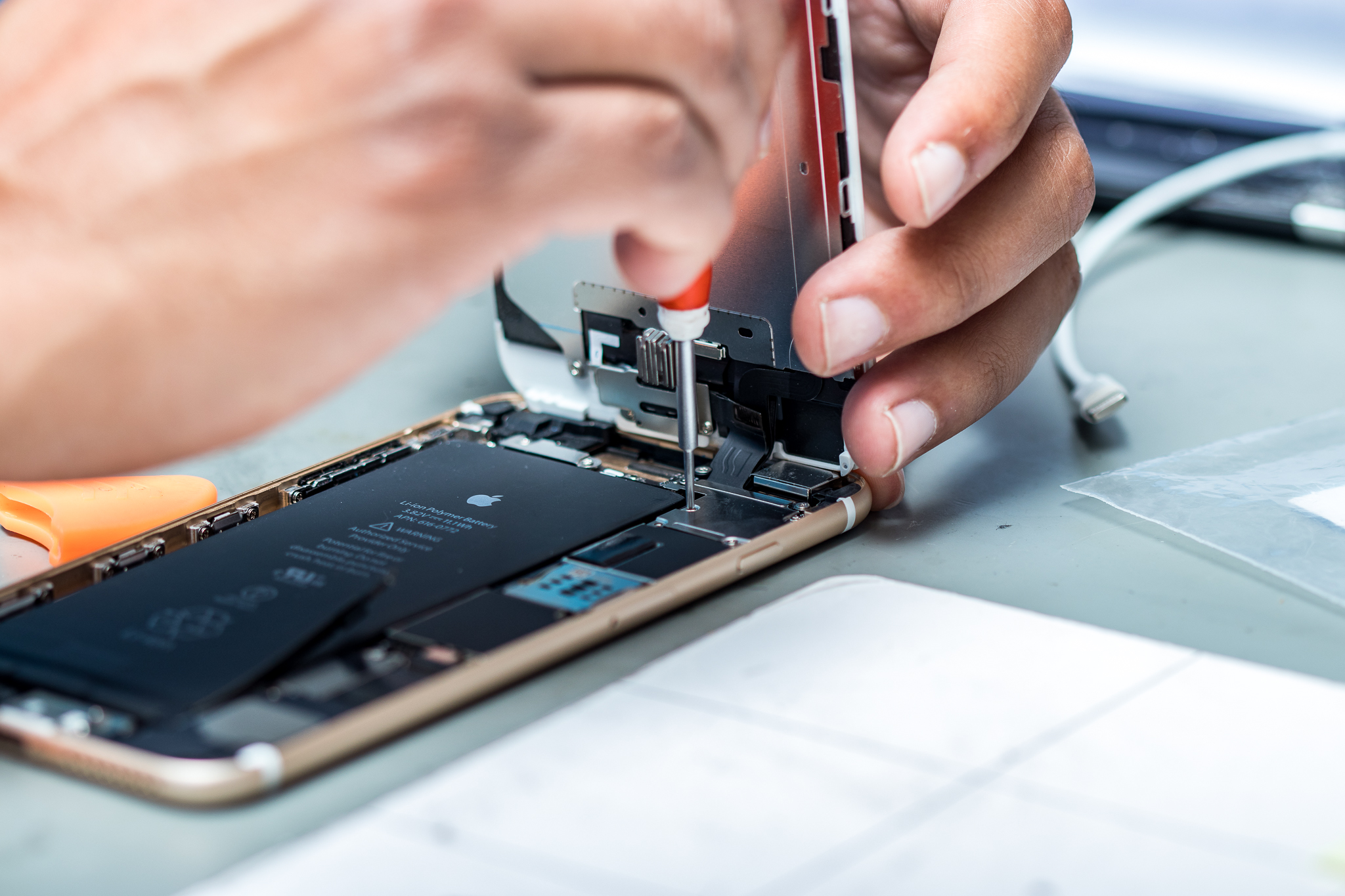
Apple Expands Partnership with Tata to Handle iPhone and MacBook Repairs in India

Apple has deepened its collaboration with India’s Tata Group by handing over the repair business for iPhones and MacBook devices to Tata, two sources familiar with the matter revealed. This move underscores Tata’s expanding role in Apple’s supply chain as the U.S. tech giant shifts more manufacturing and operations beyond China.

Tata, which already assembles iPhones and components at three facilities in South India, will take over after-sales repairs from an Indian unit of Taiwan-based Wistron, called ICT Service Management Solutions. The repairs will be conducted at Tata’s Karnataka campus, where it also handles iPhone assembly.

The repair market in India is growing rapidly alongside soaring iPhone sales. Counterpoint Research estimates about 11 million iPhones were sold in India last year, boosting Apple’s market share there from 1% in 2020 to 7% in 2024.

Industry experts suggest this increased trust in Tata could pave the way for Apple to sell refurbished devices directly in India, similar to its practice in the United States.

Currently, Apple’s official service centers in India handle basic repairs, but complex fixes will be routed to Tata’s facility. Wistron’s ICT unit will continue servicing other clients but will no longer handle Apple’s repairs.

India’s rising importance in Apple’s global supply chain is also highlighted by CEO Tim Cook’s recent statement that most iPhones sold in the U.S. during the June quarter will be made in Indian factories. This shift comes amid growing concerns over tariffs and supply chain diversification away from China.

Neither Apple, Tata, nor Wistron responded to requests for comment.