Yazılar

Musk vs. Modi: Inside the Battle Over India’s Expanding Internet Censorship

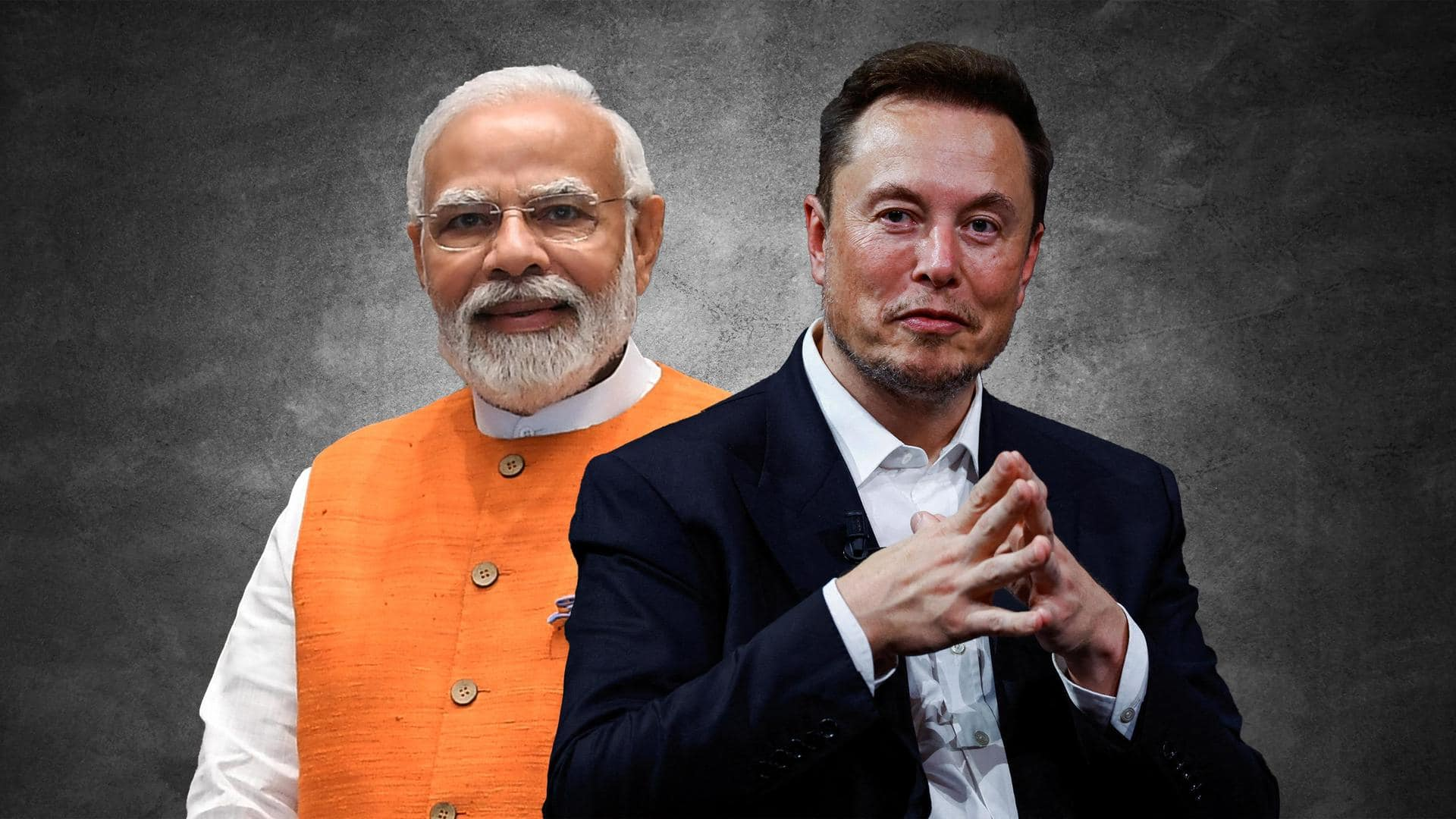
Since 2023, India under Prime Minister Narendra Modi has significantly tightened its internet censorship, empowering hundreds of officials and thousands of police officers to submit direct takedown orders to social media platforms via a government portal called Sahyog. This has sparked a high-stakes legal battle between Elon Musk’s social media platform X (formerly Twitter) and the Indian government, challenging the constitutionality of these sweeping censorship measures.

X alleges the crackdown suppresses free speech by enabling arbitrary removal of posts critical of public officials, satire, or politically sensitive content, while Indian authorities argue the moves are necessary to combat unlawful content and maintain public order. The government points out that major tech firms like Meta and Google support its approach, though both declined to comment on this specific dispute.

Court documents and police interviews reviewed by Reuters reveal a system where thousands of takedown requests have targeted a broad range of content, from misinformation and communal tensions to political cartoons mocking Modi and regional leaders, and even news coverage of a deadly stampede at New Delhi’s largest railway station. Many posts remain online, highlighting friction over what content crosses the line.

The case has also spotlighted the controversial Sahyog website, which X calls a “censorship portal,” refusing to participate and filing suit against the government. The platform’s challenge in the Karnataka High Court centers on whether the government can delegate broad censorship powers to multiple agencies without transparent, judicial oversight.

Despite the legal conflict, Musk and Modi maintain a publicly amicable relationship, with Musk praising India’s potential and planning to expand Tesla and Starlink operations there. However, behind the scenes, Indian police officers have criticized X for failing to act on cultural sensitivities and takedown requests, with some content considered offensive or taboo in the Indian context.

This clash highlights the global tension between free speech ideals and governments’ desire to control online content, intensified in India—the world’s largest internet market—where digital censorship has grown rapidly under Modi’s administration.

Australia’s eSafety Commissioner Criticizes YouTube, Apple for Failing to Address Child Abuse Material

Australia’s internet safety regulator, the eSafety Commissioner, released a report on Wednesday accusing major social media platforms, notably YouTube and Apple, of “turning a blind eye” to online child sexual abuse material (CSAM). The watchdog highlighted YouTube’s unresponsiveness to inquiries and its failure to track user reports and response times related to CSAM.

The report found that YouTube, along with Apple, could not provide data on the number of user reports about child abuse content or the speed of their responses. The Australian government recently decided to include YouTube in its groundbreaking ban on social media use for teenagers, reversing an earlier exemption based on the Commissioner’s advice.

Julie Inman Grant, eSafety Commissioner, stated that these companies fail to prioritize child protection and are allowing serious crimes to occur unchecked on their platforms. She emphasized that no other consumer-facing industry would be permitted to operate while enabling such crimes.

In response, a Google spokesperson clarified that eSafety’s criticisms were based on reporting metrics rather than overall safety performance, noting that YouTube proactively removes over 99% of abuse content before it is flagged or viewed.

The report also assessed other platforms, including Meta (Facebook, Instagram, Threads), Apple, Discord, Microsoft, Skype, Snap, and WhatsApp, finding “safety deficiencies” such as failures to detect or block livestreaming of abuse content, inadequate reporting mechanisms, and inconsistent use of hash-matching technology to identify known abuse images.

Despite warnings in prior years, some companies have not sufficiently addressed these gaps. The report specifically noted that Apple and YouTube did not disclose how many trust and safety staff they employ or detailed information about user reports on child abuse content.

Pakistan Seeks YouTube Ban on Over Two Dozen Critics Including Journalists

Alphabet-owned YouTube has informed more than 25 Pakistani critics, including journalists and opposition figures, that their channels could be blocked following a court order labeling them “anti-state.” The Islamabad judicial magistrate issued the order on June 24 after the National Cyber Crime Investigation Agency (NCCIA) accused these channels of sharing “highly intimidating, provocative and derogatory” content against state institutions.

Among those targeted are the main opposition party Pakistan Tehreek-e-Insaf (PTI), its jailed former leader Imran Khan, and several journalists critical of the government. YouTube warned the creators that failure to comply with the court could result in immediate blocking of their channels in Pakistan.

Pakistan’s Interior Minister Talal Chaudhry indicated the creators could face criminal charges, emphasizing laws against using social media to “create chaos.” The crackdown follows broader efforts by Islamabad to regulate digital content and curb dissent, with prior temporary bans on platforms like X, Facebook, and TikTok.

Critics argue this move undermines free speech in Pakistan, where traditional media faces severe restrictions. Journalists like Asad Toor, who has over 333,000 subscribers, condemned the ban as an attack on constitutional rights and a way to silence voices opposing state oppression.

PTI spokesman Zulfikar Bukhari said the government is suppressing human rights abuses and dissenting narratives after Imran Khan’s 2022 removal from office—a claim denied by Pakistan’s military. The court order is part of stricter laws, including a 2025 amendment allowing tribunals to impose up to three years’ imprisonment and fines for sharing “false or fake” content.

Digital rights advocates criticize the process for lacking due legal procedure, with creators like Toor planning to challenge the ban legally, calling it “dictatorial” and asserting that digital suppression cannot silence them.