
Yazılar

UN Report Calls for Stronger Measures to Detect and Combat AI-Driven Deepfakes

The United Nations’ International Telecommunication Union (ITU) has urged companies to adopt advanced tools to detect and eliminate misinformation and deepfake content, highlighting the growing threats these pose to elections and financial security. The call was made in a report released on Friday during the ITU’s “AI for Good Summit” in Geneva.

Deepfakes—AI-generated images, videos, and audio that convincingly mimic real people—are increasingly used to spread false information, the ITU warned. To tackle this, the report recommended robust standards for combating manipulated multimedia and urged platforms like social media sites to implement digital verification tools to authenticate content before sharing.

Bilel Jamoussi, head of the ITU’s Standardization Bureau’s Study Groups Department, noted that public trust in social media has dropped sharply because users struggle to distinguish truth from fake. Generative AI’s ability to fabricate realistic multimedia makes combating deepfakes a particularly pressing challenge.

Leonard Rosenthol from Adobe, a leading digital editing software company addressing deepfakes since 2019, emphasized the need for content provenance—information about the origin of digital media—to help users judge trustworthiness. “When scrolling feeds, users want to know: ‘Can I trust this image or video?’” he said.

Dr. Farzaneh Badiei, founder of Digital Medusa, a digital governance research firm, stressed the need for a coordinated global response, noting the lack of a single international body focused on detecting manipulated media. She warned that fragmented standards could make harmful deepfakes more effective.

The ITU is developing standards for watermarking videos—which constitute 80% of internet traffic—to embed provenance data such as creator identity and timestamps.

Tomaz Levak, founder of Swiss firm Umanitek, called on the private sector to proactively adopt safety measures and educate users. “AI will become more powerful and faster… We must upskill people to avoid them becoming victims,” he said.
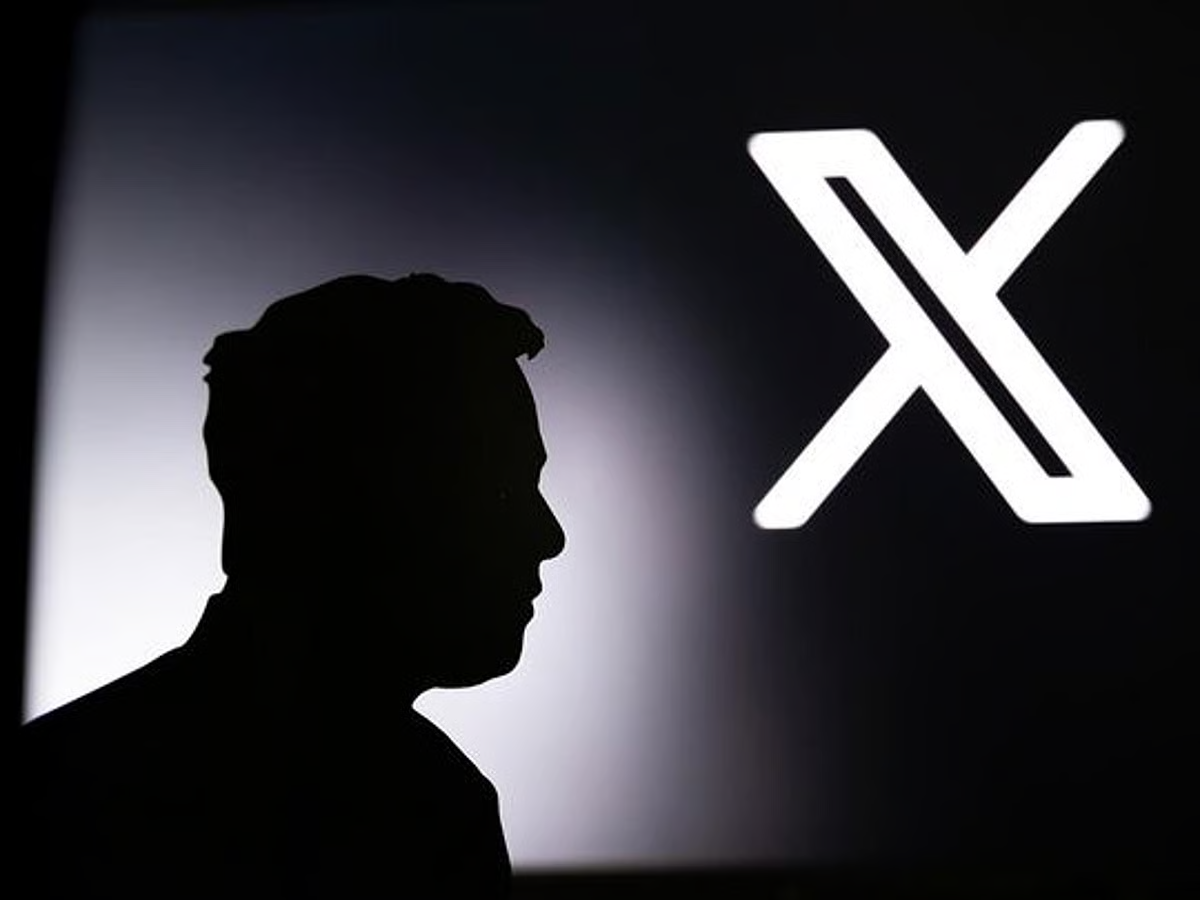
X’s Tumultuous Journey Under Elon Musk Culminates in CEO Linda Yaccarino’s Sudden Exit

Linda Yaccarino, CEO of X, announced on Wednesday she would step down, ending her tenure at the Elon Musk-owned social media platform amid ongoing controversies and challenges. Yaccarino was brought in to boost advertising revenue and ease the company’s heavy debt. During her leadership, she introduced new features such as a video tab and expanded fact-checking through X’s community notes.

Despite difficulties, X was on track to report its first annual advertising revenue growth since Musk’s 2022 acquisition, as some advertisers returned amid Musk’s increasing political influence, according to data from Emarketer.

Timeline of Key Events in X’s Evolution Post-Musk Acquisition:

  • April 2022: Musk offers $43 billion to acquire X, then known as Twitter.

  • May 2022: Musk pauses the deal over concerns about spam and fake accounts.

  • July 2022: Musk attempts to terminate the deal; Twitter sues Musk to enforce the merger.

  • October 2022: Musk completes acquisition of Twitter for $44 billion.

  • November 2022: Mass layoffs occur, including teams handling communications, content curation, and machine learning ethics.

  • May 2023: Linda Yaccarino, ex-NBCUniversal advertising chief, is named CEO to reverse ad revenue declines.

  • July 2023: Twitter is rebranded as X with a new logo, signaling Musk’s vision of an “everything app.”

  • November 2023: Musk endorses an antisemitic post on X, triggering a wave of advertiser departures.

  • August 2024: X sues the World Federation of Advertisers and major firms for an alleged unlawful boycott.

  • March 2025: Musk’s xAI acquires X in an all-stock deal valuing X at $33 billion.

  • July 2025: Yaccarino steps down as CEO without specifying reasons.

Yaccarino’s unexpected resignation closes a chapter marked by rapid transformation, political controversies, advertiser unrest, and strategic pivots as X continues its uncertain path under Musk’s ownership.

TikTok Developing New U.S. App Version Ahead of Expected Sale, Report Says

TikTok is reportedly building a new version of its app for U.S. users in anticipation of a planned sale to a group of investors, according to a report by The Information on Sunday citing unnamed sources.


Summary:

  • New U.S. App Launch:
    TikTok aims to launch the new app on U.S. app stores by September 5. Users will eventually need to download this new version to continue accessing the service, although the current app is expected to function until March next year. This timeline may be subject to change.

  • Background on Sale:
    The move comes amid U.S. President Donald Trump’s announcement last Friday that talks with China regarding a possible TikTok deal would begin early this week. Trump stated the U.S. “pretty much” has a deal in place for the sale of TikTok’s U.S. operations.

  • Deadline Extension:
    Trump had extended ByteDance’s deadline to divest TikTok’s U.S. assets to September 17. Earlier efforts to spin off TikTok’s U.S. operations into a U.S.-based company majority-owned by American investors stalled after China expressed disapproval, partly due to escalating U.S. tariffs on Chinese goods.

  • Approval Needed:
    Trump acknowledged that any deal would likely require approval from China. TikTok and ByteDance have not commented on the report, and Reuters could not independently verify the information.