Yazılar

Joe Rogan, AI Chatbots Rise as Key News Sources While Traditional Media Declines

A new report from the Reuters Institute for the Study of Journalism reveals a major shift in how Americans consume news, with podcasters like Joe Rogan and AI chatbots playing a growing role—particularly among younger audiences—while traditional news outlets continue to lose relevance.

In the week following the January 2025 U.S. presidential inauguration, more Americans reported getting news from social and video platforms than from TV, websites, or apps, marking the first time this digital dominance has been recorded in the U.S.

The study, based on a survey of nearly 100,000 people across 48 countries, found the trend especially pronounced among Americans under 35, with over 50% turning to social and video networks as their primary news sources. Globally, 44% of those aged 18–24 also rely on these platforms.

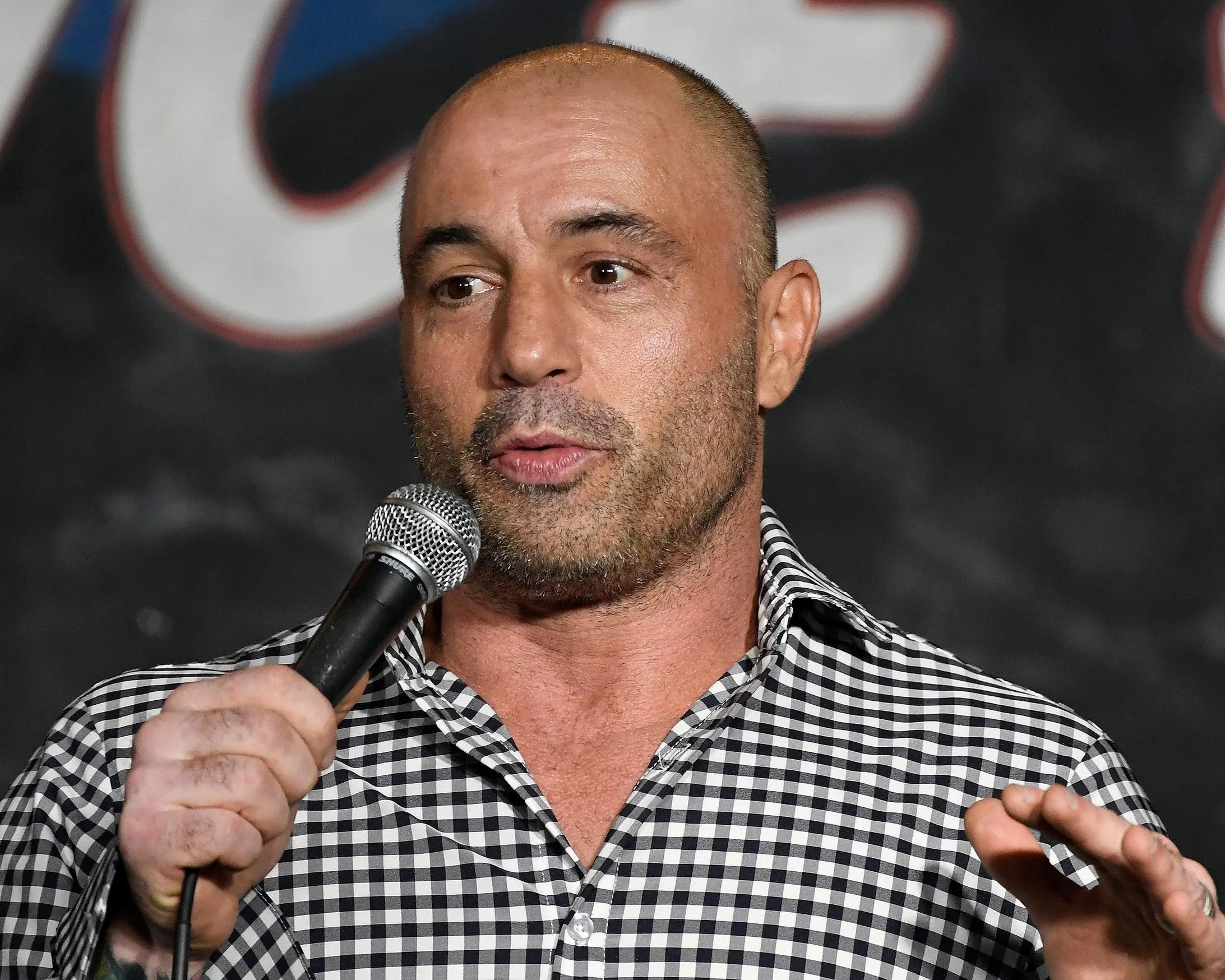
Podcaster Joe Rogan was cited as a news or commentary source by 20% of Americans in the post-inauguration week, making him a top figure in the evolving news landscape. Other widely followed political influencers include Tucker Carlson, Megyn Kelly, Candace Owens, Ben Shapiro, and on the left, Brian Tyler Cohen and David Pakman. Most of these top political voices are male, according to the report.

“These creators are attracting audiences traditional media struggle to reach—especially young men, right-leaning users, and people with low trust in mainstream media,” said Nic Newman, Senior Research Associate at the Reuters Institute.

However, this shift comes with risks. Online influencers are considered major sources of false or misleading information, second only to politicians in the U.S. Over 70% of Americans said they are concerned about distinguishing true from false information online—one of the highest levels globally.

The report also highlights the emerging role of AI in news consumption. Among people under 25, 15% use AI chatbots for news weekly, with ChatGPT, Google Gemini, and Meta AI being the most cited tools. Overall AI-based news usage remains lower, at 7%, but growing.

This trend may also threaten traditional publishers, as AI tools reduce the need for users to click through to original news websites.

While text remains the preferred format for consuming news globally, about a third of people say they prefer watching, and 15% prefer listening—a shift driven largely by younger audiences.

Meanwhile, X (formerly Twitter) is seeing a resurgence as a news platform in the U.S., especially among right-leaning users and young men, with 23% of Americans now using it for news—up 8 points from last year. Other alternative platforms like Threads, Bluesky, and Mastodon are struggling to reach even 2% of users.

Despite all these shifts, trust in news has remained steady at 40% globally for the past three years, the report notes.

Meta’s Threads to Test Direct Messaging Feature in Select Markets

Meta Platforms announced it will begin testing a direct messaging feature on its Threads app in select markets, including Hong Kong and Thailand. This new feature will introduce a dedicated inbox within Threads, removing the need for users to switch to Instagram’s messaging platform, CEO Mark Zuckerberg said on Tuesday.

Currently, messages on Threads will not be encrypted. The addition of direct messaging aims to make Threads more competitive with rivals such as X (formerly Twitter), TikTok, and Reddit, enhancing user engagement by offering a more complete social experience.

Threads, launched in 2023 as a direct competitor to X after Elon Musk’s takeover, has grown rapidly and now has over 350 million monthly active users. In April, Meta expanded advertising on Threads to all eligible advertisers worldwide, although the company does not expect Threads to be a major revenue driver in 2025.

Research firm Emarketer projects that Threads’ monthly active users in the U.S. will rise 17.5% to 60.5 million by next year, surpassing X’s expected decline to 50 million users.

Amid U.S. trade restrictions and the rise of AI-powered ad targeting, social media platforms are enhancing their features and user experience to maintain competitiveness in a crowded market.

OpenAI Said to Be Developing an AI-Driven Social Media Network

OpenAI is reportedly preparing to launch its own social media platform, according to recent reports. The San Francisco-based artificial intelligence company is said to be working on integrating AI capabilities into this new social app, though specifics about how the AI features will be used remain unclear. The platform is rumored to be positioned as a competitor to Elon Musk’s X (formerly Twitter) and the suite of social apps owned by Mark Zuckerberg’s Meta. Notably, both X and Meta have recently introduced AI features into their ecosystems, highlighting a growing trend of blending AI with social experiences. This news surfaces just days after OpenAI announced its latest advancements with the GPT-4.1 family of models.

According to a report from The Verge, OpenAI’s social platform could be based heavily on ChatGPT. Sources close to the project suggest that an internal prototype already exists, reportedly emphasizing GPT-4o’s image-generation capabilities. The platform’s design includes a public feed where AI-created images may be displayed, hinting at a highly visual, content-driven experience. While it has been described as similar to X, the integration of generative AI at the core could set OpenAI’s project apart from more traditional social networks.

CEO Sam Altman has reportedly sought external feedback on the early prototype, though major questions remain. It is still unclear whether OpenAI intends to launch a standalone social app or incorporate these features directly into the existing ChatGPT interface. Observers have pointed out similarities to OpenAI’s video generation platform, Sora, which also features a content feed—though Sora lacks a true social element, as creators are not identified. Early indications suggest that OpenAI’s approach might prioritize showcasing AI capabilities in a social context, rather than building a purely human-driven network supplemented by AI, like X or Instagram.

The move into social media would also intensify OpenAI’s ongoing rivalry with X and Meta. Elon Musk, owner of X, has been openly critical of Sam Altman and OpenAI’s shift toward a for-profit structure. Musk previously filed a lawsuit against the company and even made a bid to acquire it, to which Altman responded sharply, joking that OpenAI would instead offer to buy Twitter for $9.74 billion. With tensions already high, OpenAI’s entry into the social networking space could further escalate competition among tech giants racing to dominate the future of AI-powered digital experiences.