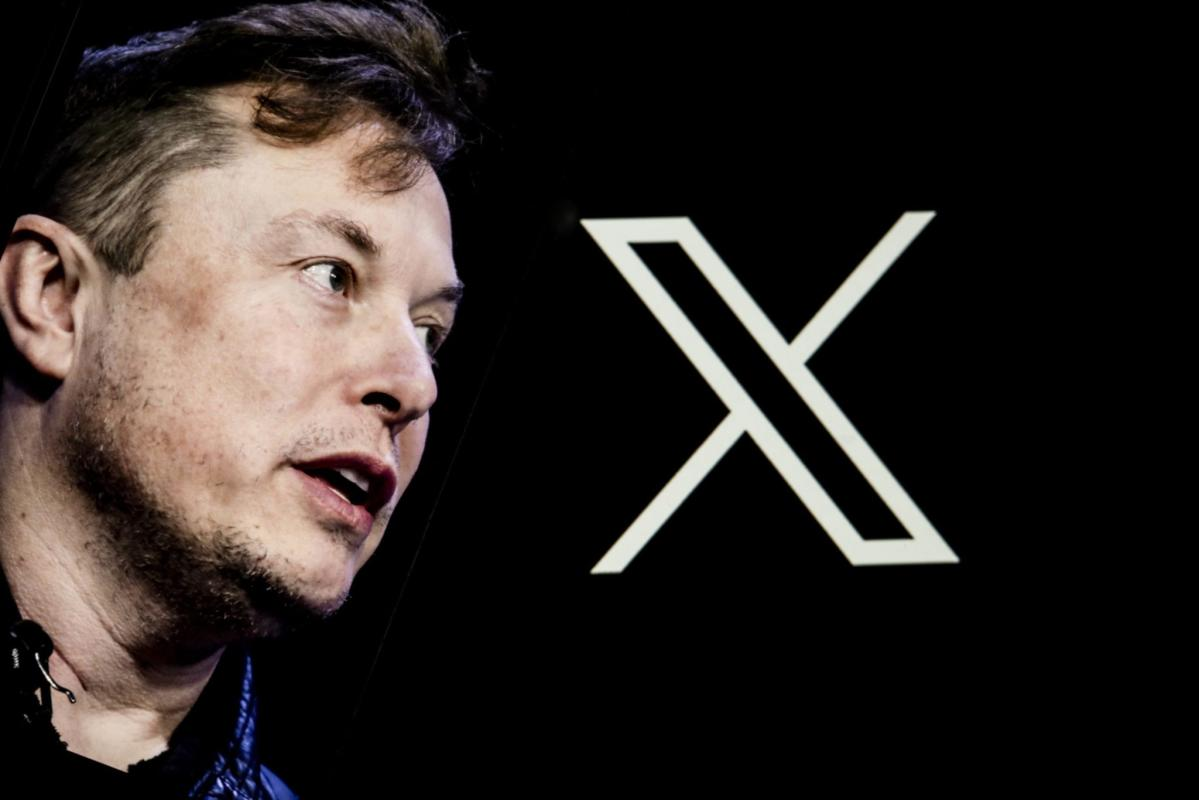
The social media platform formerly known as Twitter, now X, has seen its value plunge nearly 80% since Elon Musk acquired it in October 2022. This staggering drop in valuation comes from estimates provided by Fidelity, a major investment firm that owns shares in X through its Blue Chip Growth Fund.
When Musk took Twitter private for $44 billion, it was a highly publicized acquisition. However, as of August 2024, Fidelity estimates that its shares in X are worth only $4.2 million, suggesting that the overall valuation of the company now stands at $9.4 billion—a far cry from the original purchase price. This represents a 24% drop from Fidelity’s own estimate in July and a 79% decline from its original valuation at the time of Musk’s purchase.
Declining Ad Revenue and Brand Safety Concerns
Fidelity’s assessment aligns with analysts’ concerns over X’s shrinking ad revenue, an issue compounded by the platform’s failure to publicly release financial metrics. Advertising has been a significant pain point for X since Musk’s acquisition, particularly with advertisers expressing discomfort over extreme content appearing on the platform. A Kantar global survey recently revealed that 26% of marketers plan to reduce ad spending on X in the coming year, with concerns over brand safety. Only 4% of advertisers believed their ads were safe from appearing near problematic content on X, compared to 39% on Google.
Musk’s public behavior has also contributed to advertiser unease. In November, he faced backlash after endorsing an antisemitic conspiracy theory. While he later apologized, he infamously told advertisers who were halting spending on X: “Go f**k yourself.”
Despite these setbacks, X remains a key player in social media with 570 million monthly active users in the second quarter of 2024, reflecting a 6% growth year-over-year. However, Similarweb data indicated declining engagement, particularly in the U.S., where X’s monthly active users on iOS and Android dropped 11% from the previous year and 20% since Musk’s acquisition.
Fidelity’s Estimate vs. Other Projections
While Fidelity’s valuation implies significant losses, not all experts agree with the extent of the decline. Gene Munster, managing partner at Deepwater Asset Management, argues that Fidelity is “overly aggressive” in its devaluation, believing the firm is simply cleaning house on its investment. Munster sees a longer-term potential in X’s vast data, particularly as a critical source of training material for Grok, an AI chatbot developed by xAI, Musk’s AI startup.
Dan Ives, an analyst at Wedbush Securities, suggested that Musk may have initially overpaid for Twitter, estimating its worth closer to $30 billion at the time of purchase and $15 billion today. However, Munster maintains optimism, noting that X’s value lies in the unique real-time data it provides, which is becoming increasingly valuable in the AI landscape. He added that Musk’s acquisition of Twitter might be a case of being “better lucky than smart,” given the rapid developments in AI.