Yazılar

Misinformation on Facebook Alarms Officials as 2024 Elections Near

Election officials across the U.S. are increasingly concerned about the spread of misinformation on Facebook as the country heads into the critical 2024 presidential election. In Durham County, North Carolina, Derek Bowens, the director of elections, faced a crisis when viral posts falsely claimed that voters should request new ballots if a poll worker writes on them, rendering the ballots invalid. This misinformation, which also spread during the 2020 election, has resurfaced without fact-checking labels on Facebook.

Despite previous efforts to flag such content, Bowens and other officials have seen a lack of timely intervention from Meta, Facebook’s parent company. The North Carolina State Board of Elections had to issue a press release to counter the misinformation. However, many false posts continue to circulate in North Carolina and other states like Mississippi and New Jersey without warnings or corrections. Meta stated that it has sent flagged content to third-party fact-checkers, but election officials are still frustrated by the platform’s insufficient efforts to prevent the spread of false information.

Across the nation, with just 40 days until the November 5 elections, election officials are worried about how misinformation might disrupt the voting process. While Facebook scaled back the promotion of political content on its platform after the 2020 election, misleading posts still spread quickly, often outpacing official responses. Bowens and his colleagues, as well as officials in swing states like Arizona and Wisconsin, are finding it increasingly difficult to use social media effectively to provide accurate information.

In Maricopa County, Arizona, communication director Taylor Kinnerup noted that false claims about voter fraud from 2020 still plague the county’s social media feeds. Despite efforts to increase transparency and communication, Kinnerup’s team struggles with Meta’s limited engagement and unresponsive support systems. Many local election offices are also dealing with technical issues when using Meta’s apps, such as unlinked Facebook and Instagram accounts that prevent simultaneous posts.

Meta, which has cut back its trust and safety teams during multiple rounds of layoffs since 2021, continues to promote its integrity efforts and partnerships with fact-checking groups worldwide. However, state and local officials like Bowens and Kinnerup report little direct communication or assistance from Meta in addressing election misinformation.

Officials warn that the risks go beyond the presidential race, with down-ballot races also vulnerable to interference, as regional and local election systems often have less protection. Congressional representatives, including Sen. Susan Collins, have expressed concerns about foreign actors targeting these races with disinformation.

As the November elections approach, election officials across the country are working overtime to combat the spread of misinformation, but many feel under-supported by tech companies like Meta. With election integrity at stake, they urge greater collaboration and proactive measures to prevent further disruptions.

 

Fridgescaping: A Playful Trend that Brings Interior Design to Your Refrigerator

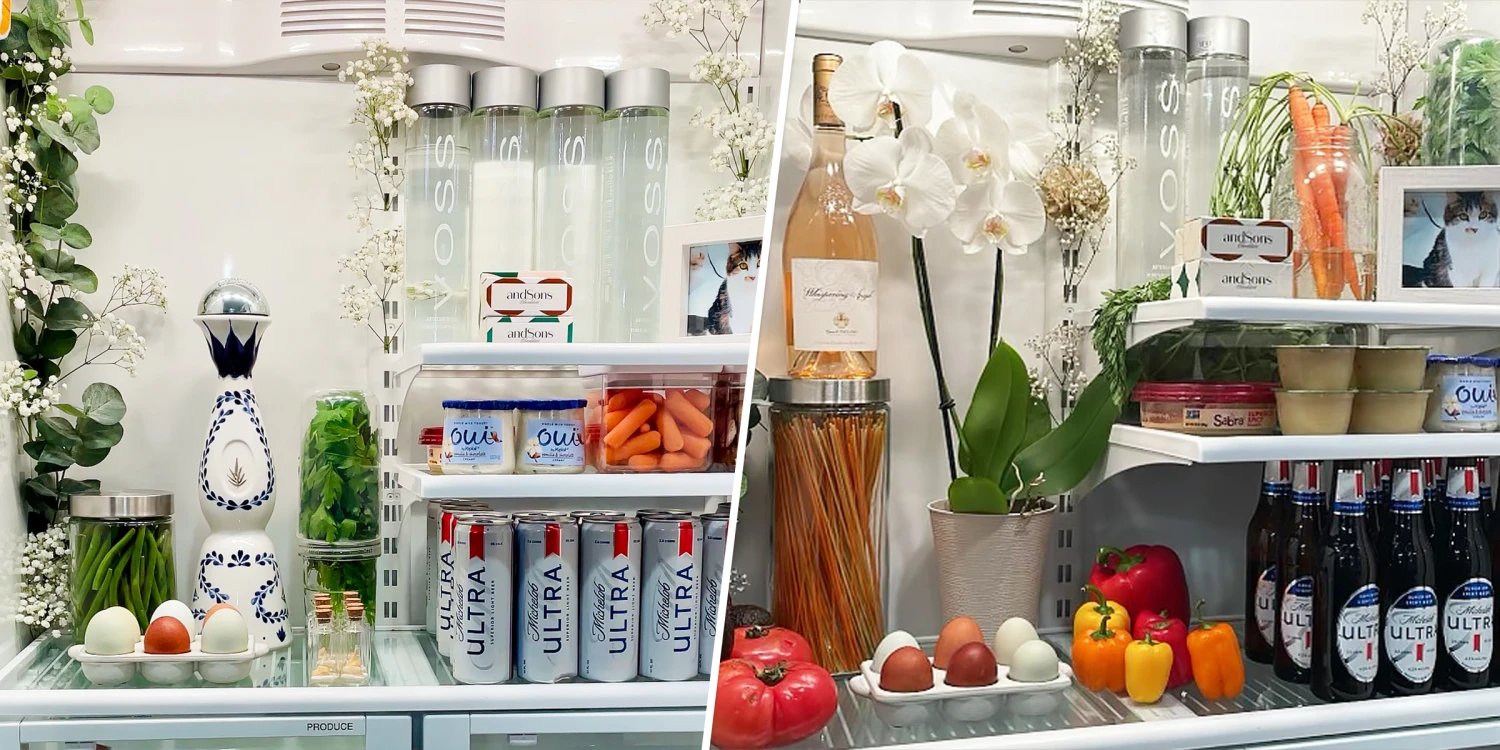
Fridgescaping is a new trend taking over social media, particularly TikTok, where users like Lynzi Judish turn their refrigerators into curated displays of decor and produce. The practice, which involves artfully arranging food, flowers, and even non-food items like picture frames and figurines, is polarizing. Some embrace it as a fun, creative outlet, while others see it as frivolous and impractical.

The trend traces its origins to Kathy Perdue, a retired designer who coined the term in 2011 to describe her approach of making food storage aesthetically pleasing. However, TikTok has taken fridgescaping to new heights, often transforming refrigerators into elaborate, themed displays that feel more like art installations than practical food storage.

While critics argue that fridgescaping prioritizes style over function, proponents like Judish find it motivating and fun, encouraging them to be more mindful of their eating habits. Though divisive, fridgescaping ultimately serves as a playful, whimsical expression of creativity in everyday life.

Desperation Amid Crisis: Myanmar’s Poor Turn to Social Media to Sell Kidneys


In Myanmar, where poverty and political turmoil have spiraled out of control, the country’s poorest are turning to a dangerous and illegal industry: selling their kidneys. Desperate citizens are taking to social media platforms like Facebook to offer their organs in exchange for money. This bleak trend has emerged as a direct consequence of Myanmar’s deepening economic crisis, which was exacerbated by a military coup that plunged the nation further into poverty and instability.

Take the story of Maung Maung, a delivery driver from Mandalay, who found himself in dire straits after being detained and tortured by the military junta on suspicion of aiding opposition forces. After weeks of detention, Maung Maung was released but left jobless and drowning in debt. Faced with a family that hadn’t eaten in days, he took the drastic step of offering his kidney for sale on Facebook. Ultimately, he traveled to India in 2023 to complete the illegal transaction, selling his kidney for 10 million Burmese kyat ($3,079). Although Maung Maung’s kidney sale briefly alleviated his financial woes, it left him with lingering health issues and a bleak outlook on life.

Maung Maung’s case is far from isolated. A year-long investigation revealed dozens of people in Myanmar have resorted to selling their organs to survive. Organized through social media and facilitated by agents who help forge documents, sellers typically travel to India for the surgeries. Both Myanmar and India outlaw the sale of organs, but the system is often bypassed with the help of lawyers, notaries, and even officials willing to turn a blind eye.

Picture background

The booming illegal organ trade is driven by both sellers and buyers who are desperate. Sellers, often impoverished, see the sale of a kidney as a last resort to escape mounting debt or to afford medical treatments for loved ones. Buyers, typically wealthier individuals, are in desperate need of organ transplants and are willing to participate in this dangerous trade.

The illegal trade flourished after Myanmar’s military coup in 2021, which sent the country’s economy into freefall. Nearly half of the country’s population now lives below the poverty line, a sharp increase from prior years. The ensuing civil unrest, coupled with widespread unemployment and rising costs of basic goods, pushed many to such extreme measures. The war also devastated Myanmar’s healthcare system, with many doctors joining resistance movements or fleeing the country.

Organ sales are illegal in both Myanmar and India, yet agents facilitate the trade by forging documents to fake familial relationships between donors and recipients. For example, Maung Maung posed as his recipient’s son-in-law to evade scrutiny from hospital authorities in India. Despite this, Myanmar’s embassy in New Delhi and local authorization committees often sign off on the transactions, knowing full well that the documents are falsified.

Though sellers can technically live with one kidney, the risks are substantial. Many, like Maung Maung, return home with lasting physical and emotional scars. Once the money from the sale runs out, they often find themselves in the same economic bind they were in before. Worse yet, the long-term health consequences of losing a kidney can be severe, leaving them with a diminished life expectancy.

For individuals like Maung Maung and April—a young woman trying to sell her kidney to support her family—the decision to sell an organ is borne out of desperation. While their stories are tragic, they highlight the broader humanitarian crisis gripping Myanmar, where the most vulnerable are forced into dangerous choices to survive.