Yazılar

NASA’s Viking Mission Could Have Eradicated Martian Life During Water Experiments

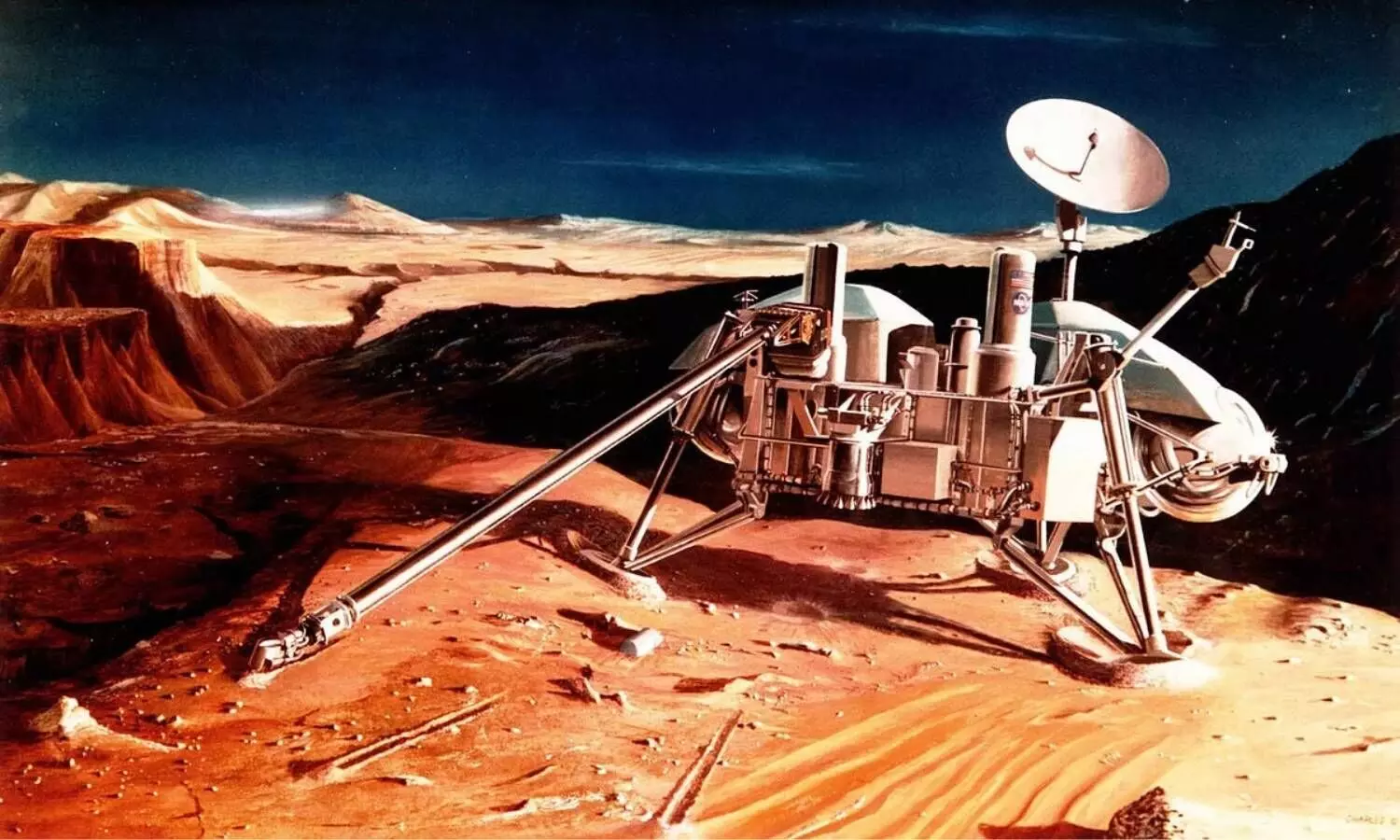
In 1975, NASA’s Viking program made a groundbreaking achievement when its twin landers successfully touched down on Mars, marking the first American spacecraft to reach the Martian surface. These missions were pivotal in the search for life beyond Earth, as the landers conducted a series of experiments aimed at detecting microbial life on the Red Planet. Over six years, the Viking landers analyzed Martian soil samples, attempting to uncover any signs of life. However, a new and controversial theory suggests that the very experiments designed to detect life may have inadvertently destroyed any potential Martian microbes.

Dirk Schulze-Makuch, an astrobiologist from Technische Universität Berlin, has raised concerns about the methods used during the Viking missions. In a recent commentary in Nature Astronomy, he proposed that the addition of liquid water to Martian soil samples may have been too disruptive for any microbes that might have existed. Mars is known for its extreme dryness, more arid than Earth’s Atacama Desert, and it is hypothesized that any potential life forms on the planet would be specially adapted to extract moisture from salts in the atmosphere. Introducing liquid water, Schulze-Makuch suggests, could have overwhelmed these microbes, leading to their destruction rather than detection.

The Viking program’s assumption that Martian life would require liquid water, similar to life on Earth, may have been a key flaw in its approach. The experiments involved adding water and nutrients to Martian soil and monitoring any metabolic reactions, hoping to find evidence of living organisms. While some initial signs of microbial activity were detected, these results were later dismissed as inconclusive. Schulze-Makuch argues that these reactions could have been evidence of life forms adapted to Mars’ extremely dry environment, but the addition of liquid water may have killed them before they could be properly studied.

To avoid repeating this mistake in future missions, Schulze-Makuch advocates for a different approach to life detection on Mars. Instead of focusing on the presence of liquid water, he proposes a “follow the salts” strategy. This would involve searching for organisms that might thrive in environments where moisture is absorbed from salt compounds, potentially offering a more accurate method of detecting life in Mars’ harsh conditions. By rethinking how we search for life, we may be better prepared to recognize the signs of Martian organisms that have adapted to survive in a radically different environment from Earth.
How the James Webb Space Telescope Allows Us to See the Past

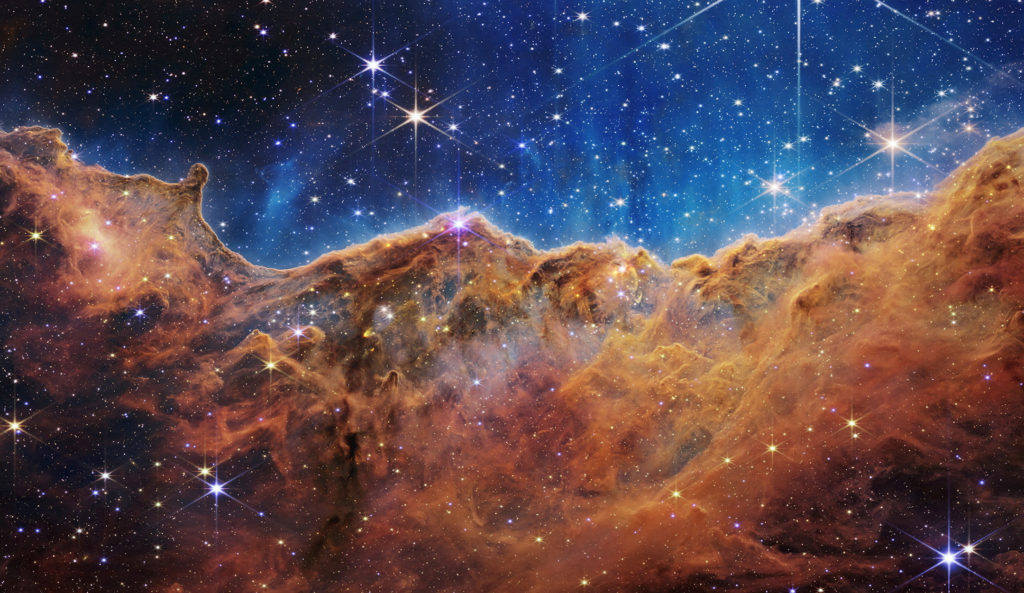
The ability to observe space allows scientists to essentially look back in time, thanks to the way light travels across vast distances in the universe. Telescopes like the James Webb Space Telescope enable us to capture light from distant celestial bodies, acting as time machines that reveal what the universe looked like in the past. This phenomenon is rooted in the fact that light, despite traveling at incredible speeds, still requires time to travel across the vast expanses of space.

Light travels at approximately 186,000 miles (300,000 kilometers) per second, which is incredibly fast in human terms. However, even at this speed, the immense distances between objects in space mean that the light we see today actually left those objects millions or even billions of years ago. For example, light from the Moon takes just 1.3 seconds to reach Earth, while light from Neptune, the furthest planet in our solar system, takes about four hours. This delay in light’s arrival means that when we observe these objects, we are seeing them as they were in the past, not as they are right now.

When we look beyond our solar system, the distances become even more staggering. Within our galaxy, the Milky Way, distances are often measured in light-years—the distance that light travels in one year. For instance, Proxima Centauri, the closest star to Earth after the Sun, is over four light-years away. That means when we observe Proxima Centauri, we are actually seeing it as it was over four years ago. The light that reaches us today from that star began its journey back in time, traveling through space at a constant speed.

The James Webb Space Telescope, with its advanced instruments and capabilities, is able to observe objects that are far further away than ever before. By studying the light emitted from galaxies, stars, and other celestial bodies billions of light-years away, Webb allows scientists to peer into the distant past of the universe. The further the light travels, the further back in time we are able to see, offering a glimpse into the early stages of the universe, helping us understand its origins and evolution over time.

NASA Leverages Supercomputing to Advance Space Missions and Earth Science

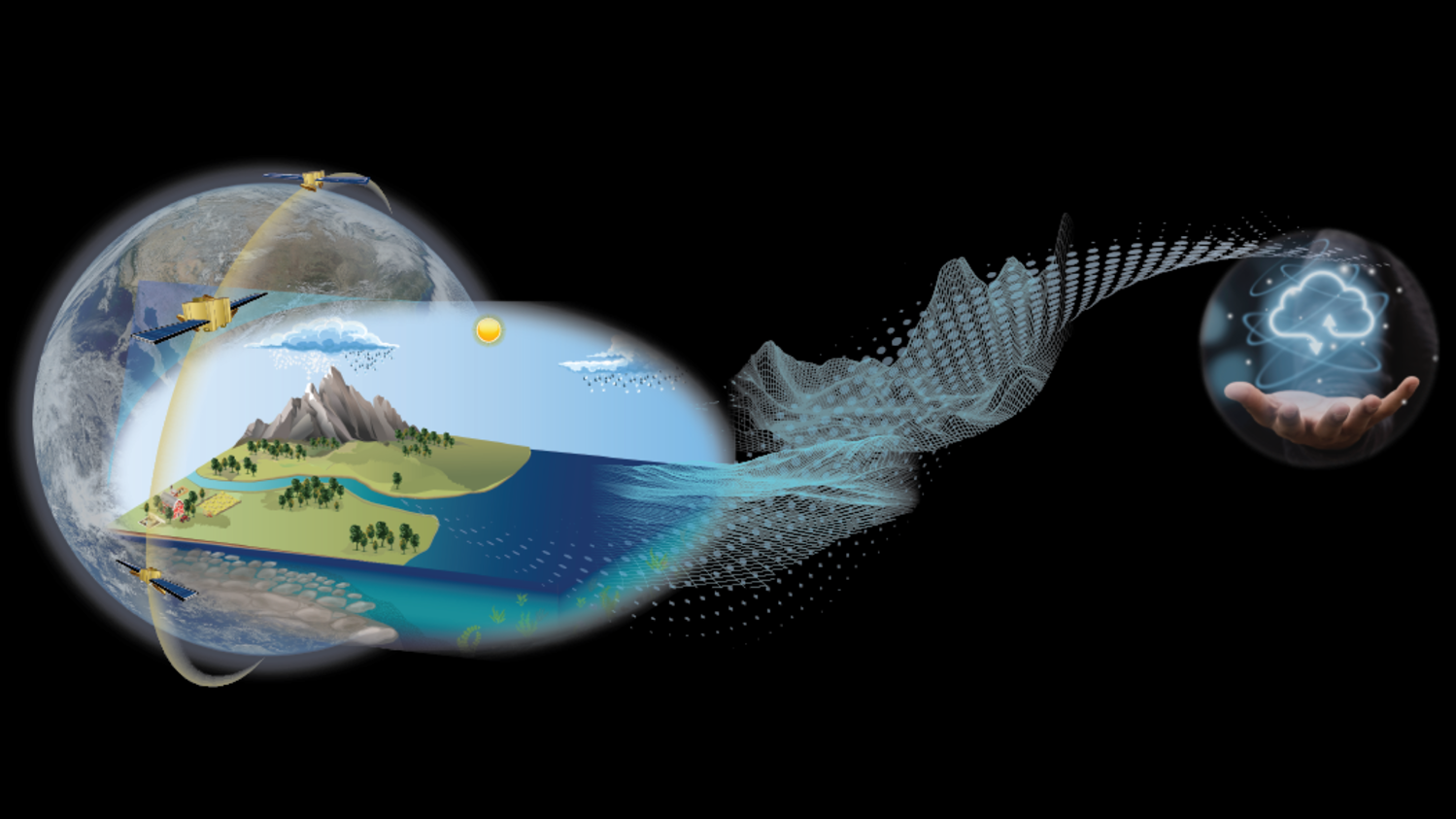
NASA is at the forefront of leveraging supercomputing to enhance both space exploration and Earth-based research. The agency is utilizing high-performance computing (HPC) to drive innovations that stretch from groundbreaking space missions to addressing environmental concerns on Earth. At the International Conference for High Performance Computing (SC24), NASA is demonstrating how these advanced technologies are integral to its most critical endeavors, such as the Artemis program, sustainable aviation, and the study of cosmic phenomena. Dr. Nicola Fox, Associate Administrator for NASA’s Science Mission Directorate, will highlight these advancements in her keynote address, “NASA’s Vision for High Impact Science and Exploration,” on November 19.

One of the significant achievements of NASA’s supercomputing capabilities is the refinement of the Artemis launch systems. At NASA Ames Research Center, simulations using supercomputers have been instrumental in optimizing the Artemis II launch environment. Research revealed how pressure waves from the rocket’s exhaust gases damaged critical components during the Artemis I mission. These findings allowed engineers to redesign key infrastructure, such as the flame deflector and mobile launcher, ensuring greater safety for astronauts during the upcoming Artemis II mission in 2025.

In addition to space exploration, NASA’s supercomputing power is also playing a key role in the future of aviation. By utilizing advanced computational models, NASA researchers are working to optimize aircraft designs for improved fuel efficiency. Simulations of wing and fuselage shapes are helping to reduce drag, which could result in a 4% improvement in fuel efficiency. This aligns with NASA’s goals for sustainable aviation, contributing to efforts to reduce carbon emissions and support greener, more efficient air travel.

These advancements highlight the critical role of supercomputing in driving NASA’s mission to push the boundaries of scientific discovery. From improving space mission safety to advancing environmental goals on Earth, the agency’s supercomputing capabilities are enabling more accurate predictions, better designs, and deeper insights. With these technological tools, NASA is positioning itself to address the complex challenges of the future, whether in space or here on our planet.