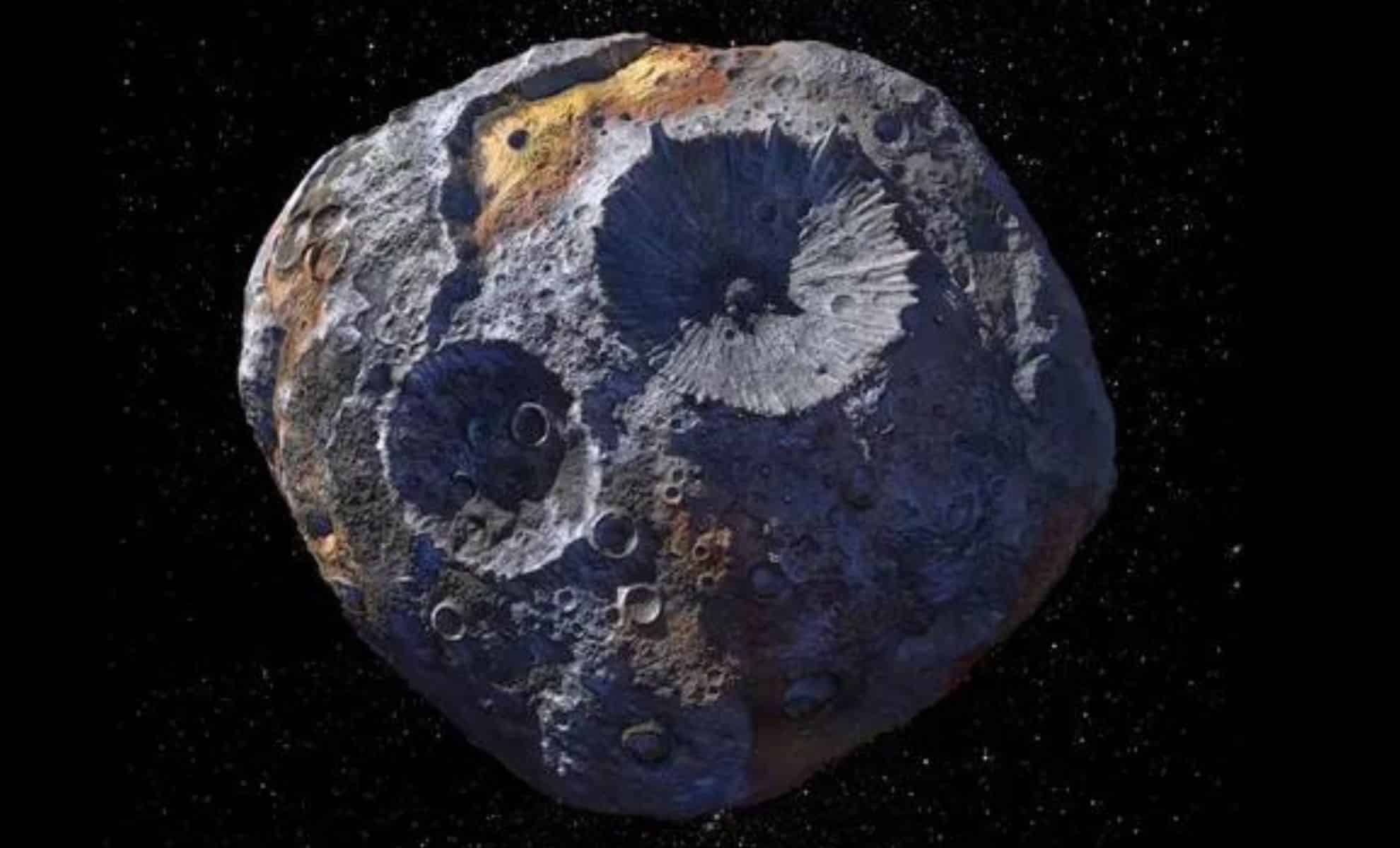
James Webb Space Telescope Findings Redefine Theories on Asteroid Psyche’s Origins
James Webb Space Telescope’s Discovery of Hydrated Minerals on Asteroid Psyche Questions Protoplanet Core Theory Devamını Oku

James Webb Space Telescope’s Discovery of Hydrated Minerals on Asteroid Psyche Questions Protoplanet Core Theory Devamını Oku
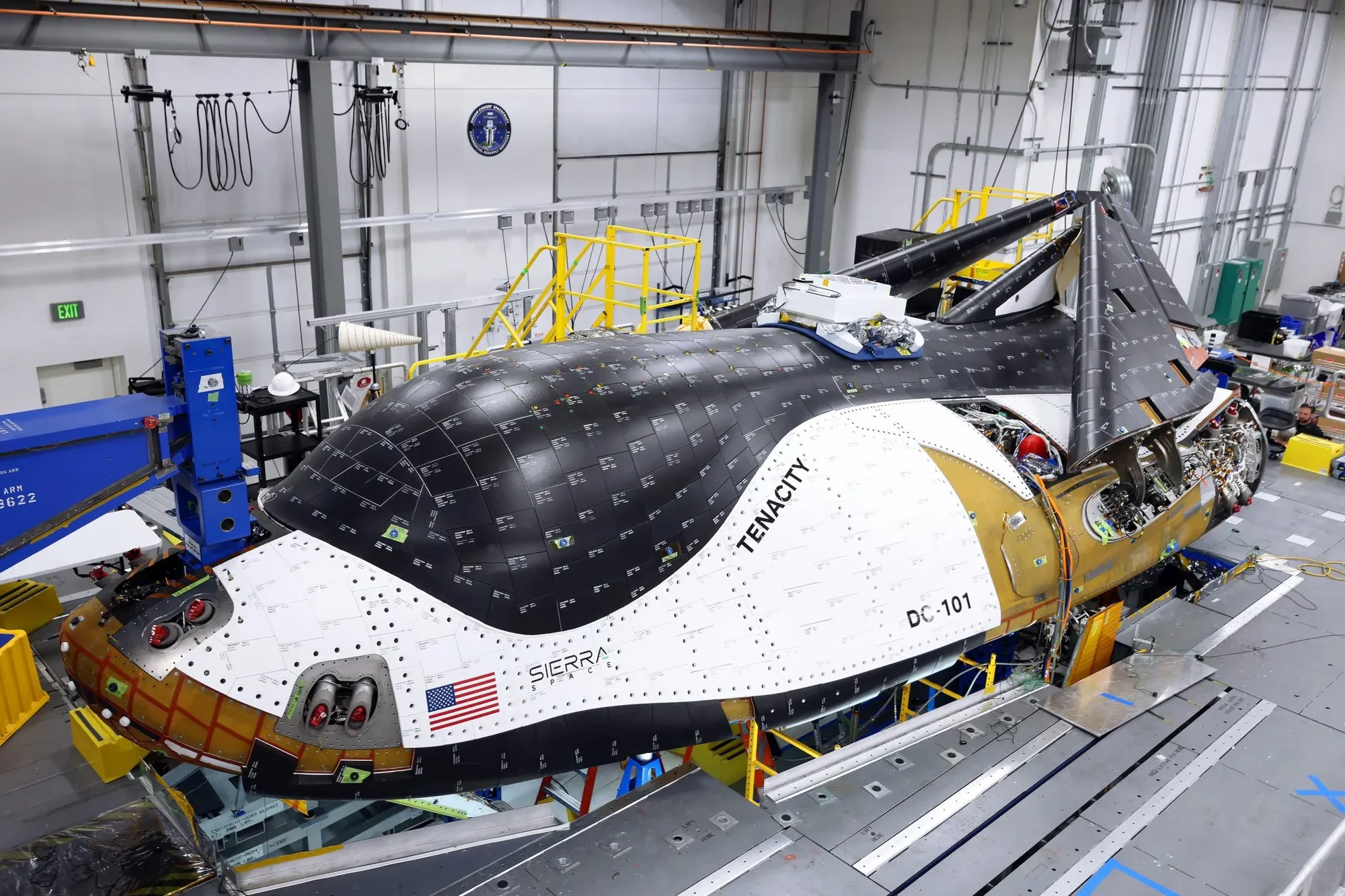
Boeing and Lockheed Martin are in advanced discussions to sell their joint venture, United Launch Alliance (ULA), to Sierra Space, a private aerospace company. The potential deal, which could value ULA between $2 billion and $3 billion, represents a significant shift in the U.S. space launch industry. ULA, a major provider of launch services to the U.S. government and a key competitor to Elon Musk’s SpaceX, has long been dominated by its parent companies, Boeing and Lockheed Martin, two of the largest defense contractors in the world.
This sale would mark a departure from past failed attempts to divest ULA, with previous potential buyers, including Jeff Bezos’ Blue Origin and Cerberus Capital Management, unable to reach an agreement. Sierra Space, spun off from Sierra Nevada Corporation in 2021, aims to use the acquisition to accelerate its space ambitions, including the development of its Dream Chaser spaceplane and a private space station habitat.
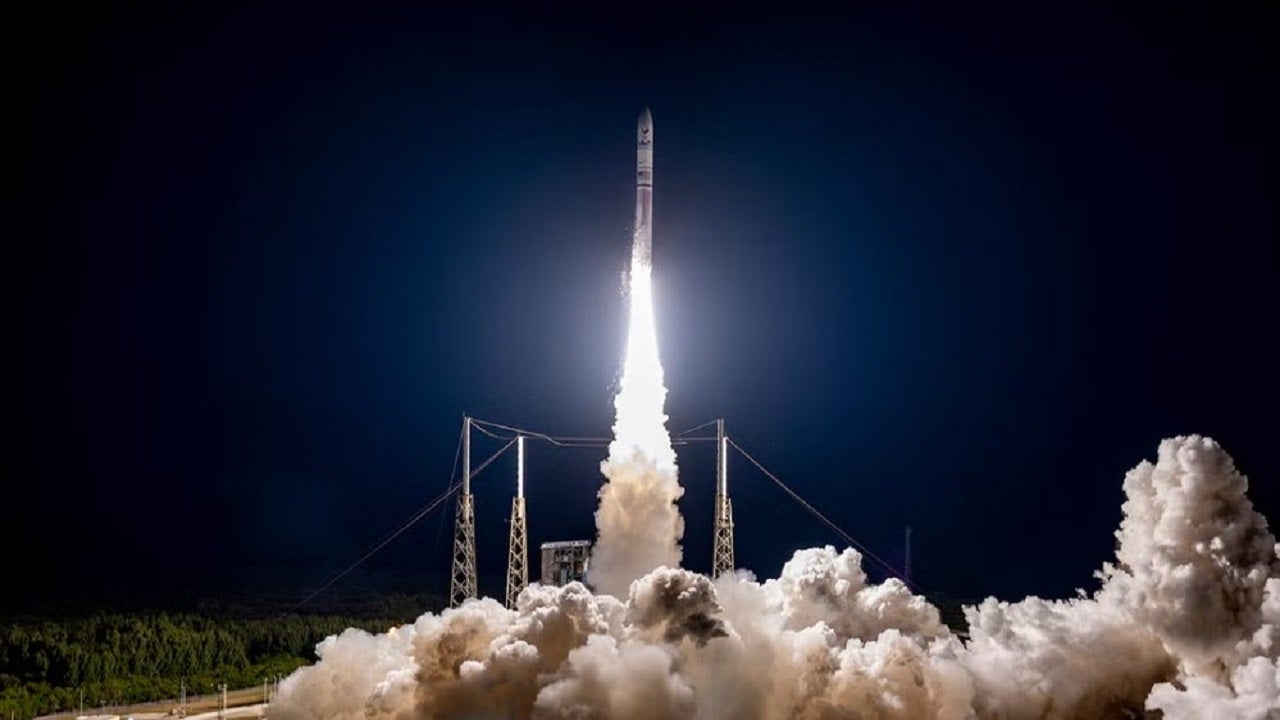
For Boeing, selling ULA aligns with CEO Kelly Ortberg’s strategy to refocus on its core aerospace and defense businesses, while Lockheed Martin would similarly be shedding a non-core asset. ULA, formed in 2006 to consolidate Boeing’s and Lockheed’s rocket businesses, has struggled to compete with SpaceX’s innovative and cost-effective Falcon 9 rockets. ULA’s new Vulcan rocket, which debuted in 2023, has faced production and scalability challenges, making the timing of the sale critical for the company’s future.
Sierra Space’s potential acquisition of ULA would provide it with in-house launch capabilities, reducing its reliance on external providers and potentially saving hundreds of millions of dollars in launch costs for its spaceplane and space station projects. However, the deal is not yet finalized, and negotiations could still fall through. The sale would also free ULA from Boeing and Lockheed’s control, potentially allowing it to explore new markets such as lunar habitats and maneuverable spacecraft, areas previously resisted by its parent companies.
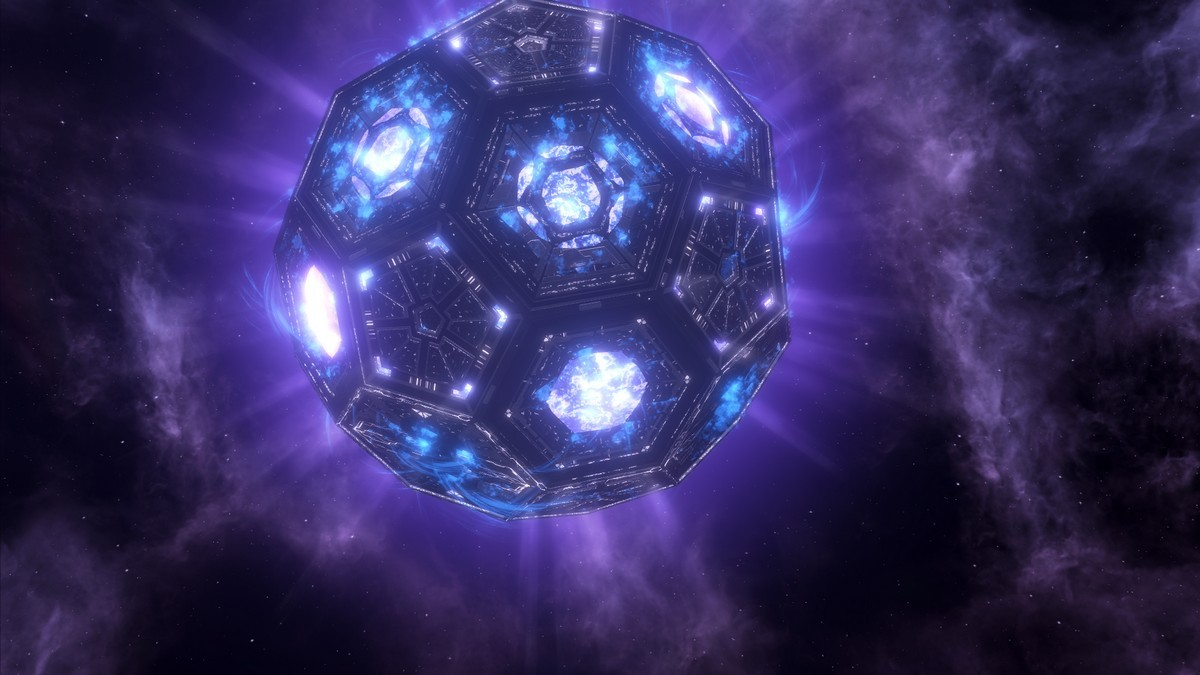
Freeman Dyson, a renowned British-American physicist, theorized that advanced civilizations might construct massive structures, known as Dyson spheres, to harness the full energy output of their parent stars. This concept, initially inspired by science fiction, suggests that these hypothetical megastructures would be detectable through the infrared radiation they emit as waste heat. While Dyson’s idea was speculative, it has driven decades of scientific inquiry into the search for extraterrestrial life.
Recent research has brought this concept back into the spotlight. A study published in the Monthly Notices of the Royal Astronomical Society identified seven stars in the Milky Way galaxy that exhibit unexplained infrared radiation, potentially indicating the presence of Dyson spheres. The research team, led by Matías Suazo from Uppsala University, analyzed data from millions of stars and found these seven candidates, which stand out due to their infrared glow.
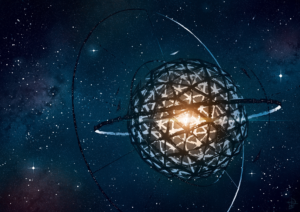
However, the scientists caution that these findings are far from conclusive. The infrared signatures could be explained by natural phenomena, such as planetary collisions or circumstellar debris disks, rather than artificial structures. Despite this, the possibility of Dyson spheres remains intriguing, warranting further investigation with advanced telescopes like NASA’s James Webb Space Telescope.
The study represents a significant step in the ongoing search for extraterrestrial intelligence, as it explores the limits of what we can detect and understand about potential alien civilizations. Even if the evidence doesn’t ultimately point to Dyson spheres, the research could lead to new discoveries in astronomy and deepen our understanding of the universe.