Yazılar

SpaceX Readies Polaris Dawn Crew for Daring Spacewalk Mission Amid Uncertain Weather Conditions

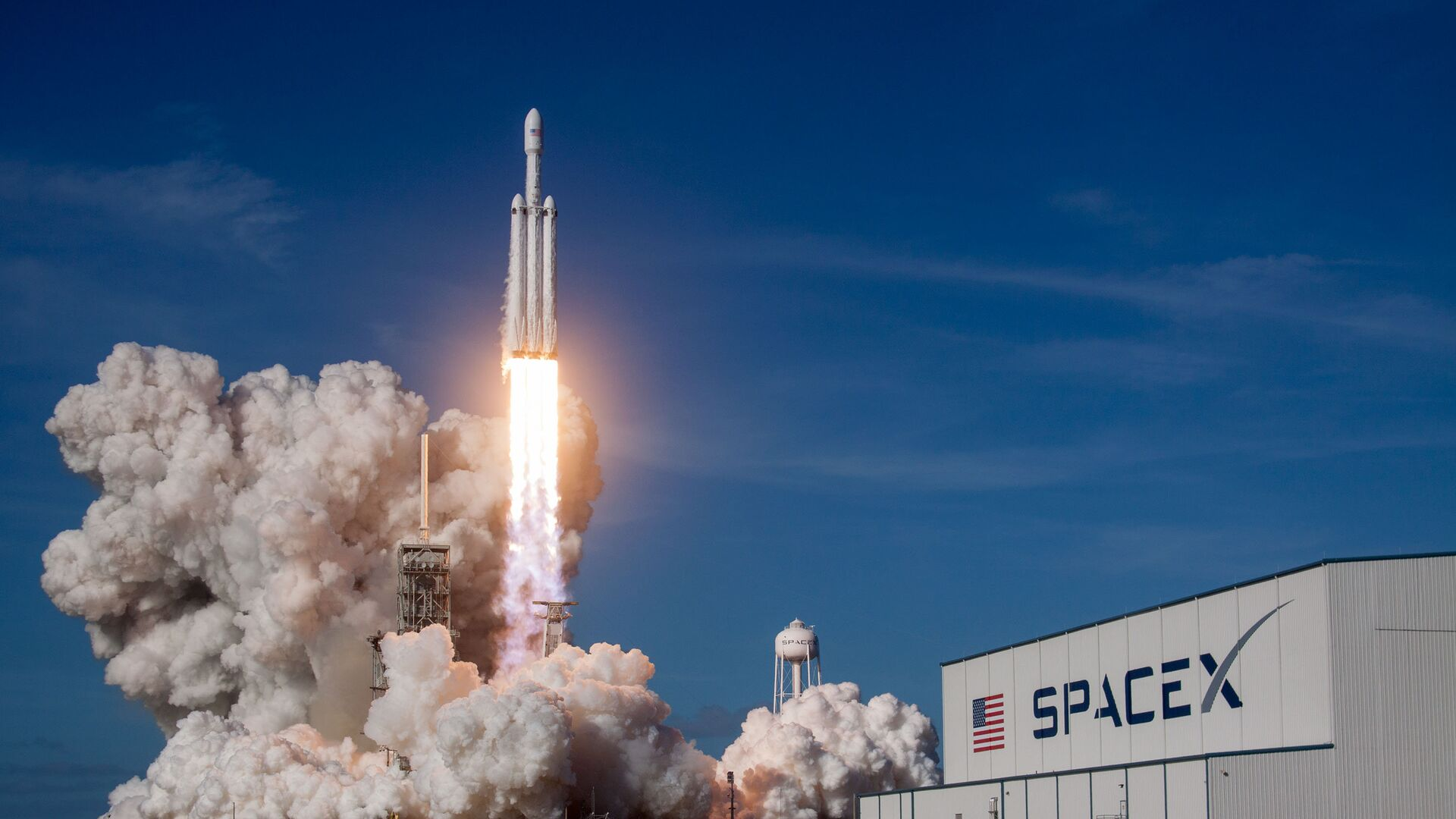
SpaceX is preparing for another attempt to launch Polaris Dawn, a high-risk mission sending four civilians into space for a historic spacewalk within Earth’s radiation belts. The mission, initially delayed by technical and weather issues in August, is now slated to launch from Kennedy Space Center, Florida, as early as 3:38 a.m. ET on Tuesday. Should weather conditions prevent the launch, other windows are available at 5:23 a.m. ET and 7:09 a.m. ET the same day, with further opportunities on Wednesday morning.

Forecasts remain uncertain, with a 60% chance of unfavorable conditions, while mission controllers are also monitoring splashdown site weather for the crew’s planned return after their five-day space journey. Despite the risk, mission commander Jared Isaacman expressed optimism, noting improved conditions compared to previous weeks.

Isaacman, who is funding the mission, is joined by Scott Poteet, a former US Air Force pilot, and SpaceX engineers Anna Menon and Sarah Gillis. This flight marks the first time a civilian crew will conduct extravehicular activities, scheduled for the third day of the mission.

Polaris Dawn will venture into the Van Allen radiation belts, making it the first human mission to reach that far into space since the Apollo program ended in 1972. Given the reliance on oxygen supplies for the spacewalk, timing is crucial to ensure the mission’s on-time return.

In addition to Polaris Dawn, SpaceX is also preparing for NASA’s Europa Clipper mission, set for an October launch to explore Jupiter’s icy moon.
 

China Sets Ambitious 2028 Target for Historic Mars Sample Return Mission

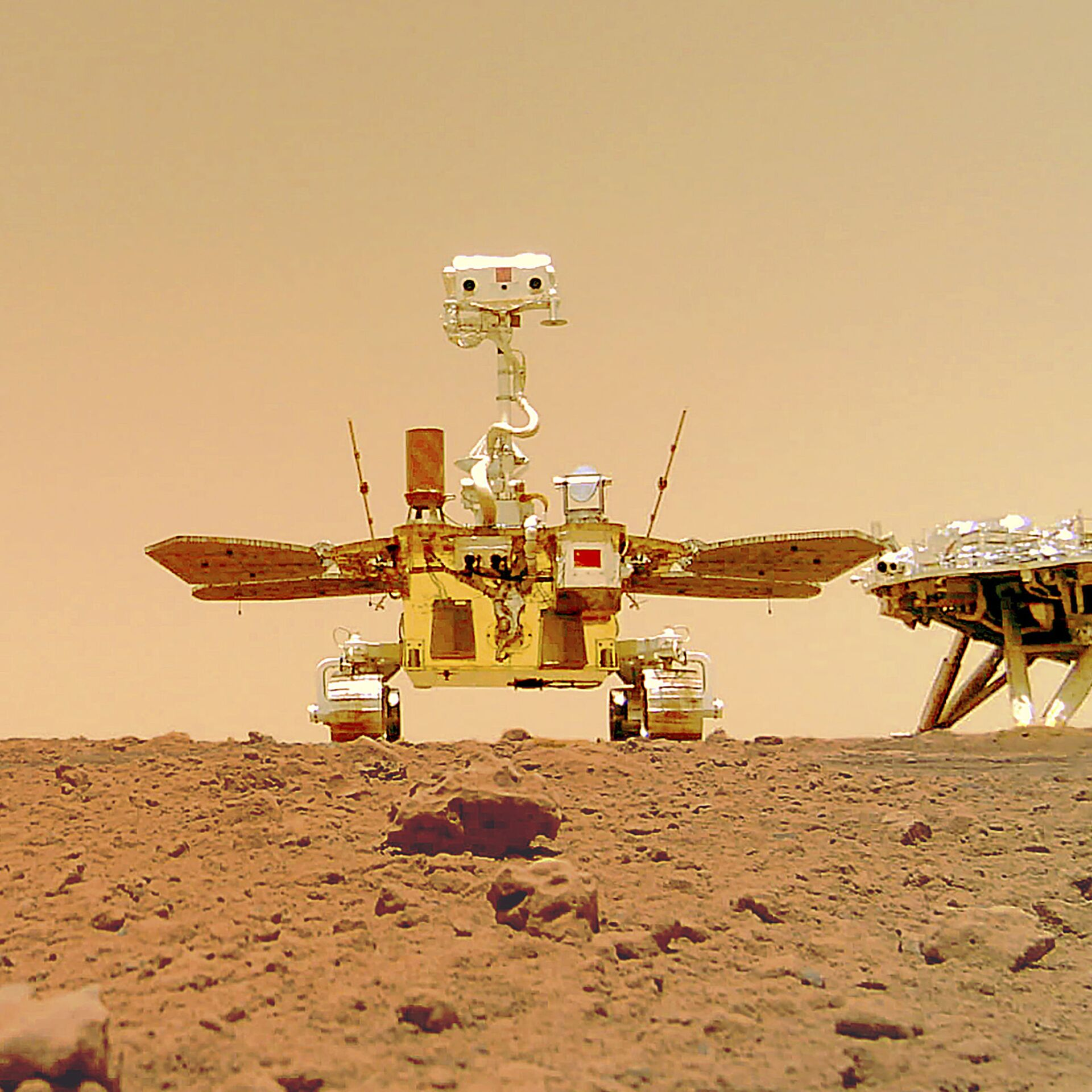
China’s plan to bring samples from Mars to Earth could launch as early as 2028, advancing its ambitious space program. Liu Jizhong, the chief designer for the Tianwen-3 mission, recently announced the updated timeline at a deep-space exploration event, accelerating the goal from the previous 2030 target. The mission would involve two launches aimed at retrieving Martian samples, with the goal of returning them to Earth by 2031.

This accelerated mission plan follows China’s recent achievement of retrieving samples from the far side of the moon and positions the nation in a competitive race with NASA and the European Space Agency. While the U.S. space agencies are still assessing plans for their own Mars sample return, which is facing delays and budget concerns, China aims to establish itself as a dominant space power under President Xi Jinping’s vision.

China’s Tianwen-3 mission will focus on searching for signs of life on Mars and overcoming significant technical challenges, including launching a small rocket from the Martian surface for the return journey. International cooperation will also be a key aspect of the mission, involving payloads and data sharing with other countries.

China’s space achievements have grown in prominence, particularly after its Tianwen-1 probe successfully landed the Zhurong rover on Mars in 2021. Zhurong exceeded expectations by operating far longer than its planned mission duration and delivering valuable data about Mars’ past environment, including evidence that water once existed on the planet.


Boeing’s Starliner Returns to Earth Uncrewed After Technical Issues Delay Astronauts’ Return

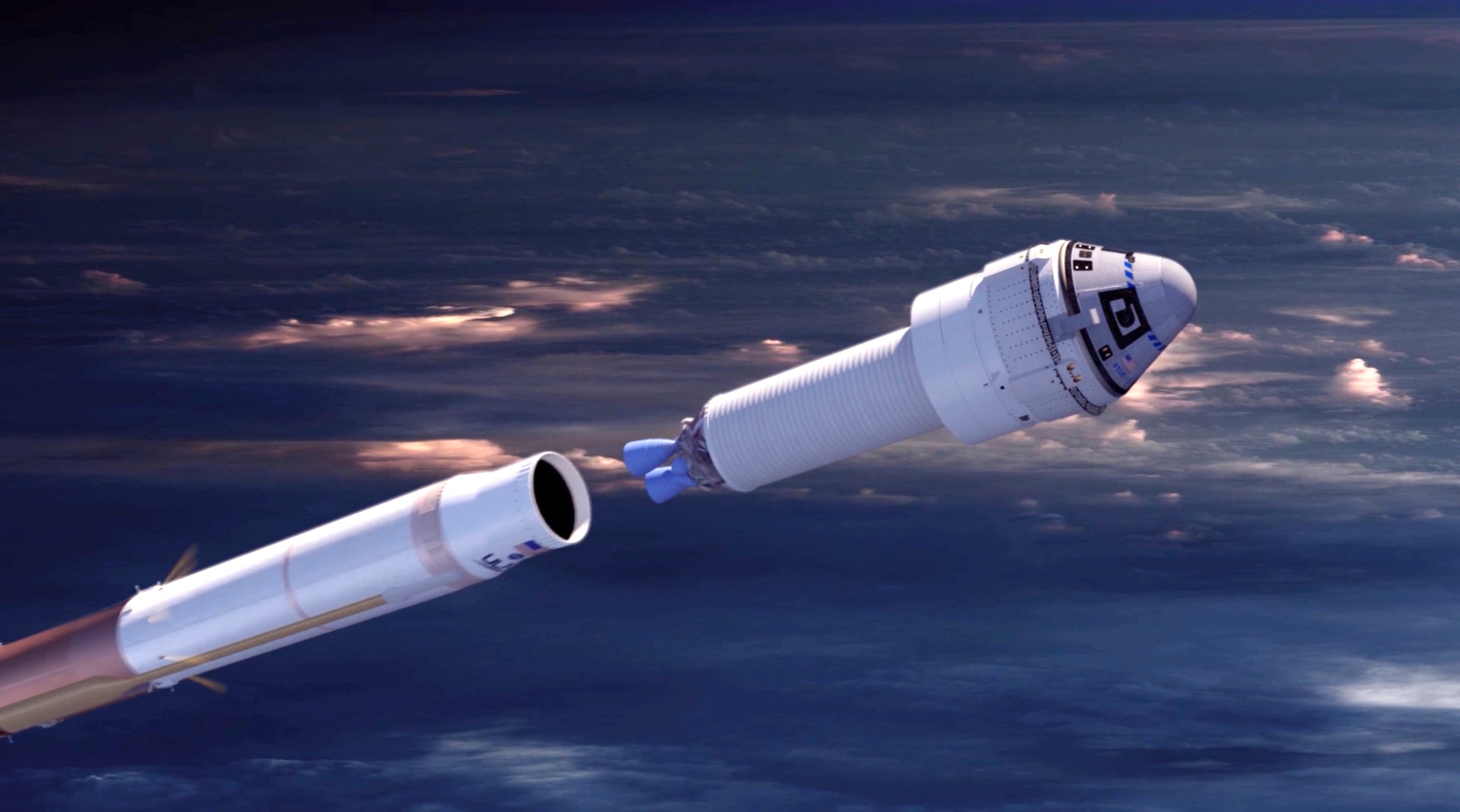
Boeing’s Starliner spacecraft landed safely in New Mexico late Friday, concluding a three-month uncrewed test mission marked by technical challenges. Originally intended as the spacecraft’s final test before NASA certification, the mission was disrupted when faulty thrusters led NASA to deem the Starliner unsafe for crew return. Astronauts Butch Wilmore and Suni Williams, the first crew to fly Starliner, remain on the International Space Station (ISS) and are expected to return on a SpaceX vehicle in early 2025. The spacecraft reentered Earth’s atmosphere and landed smoothly using parachutes and airbags. Despite the successful landing, the thruster failures have raised concerns about Boeing’s future in space, particularly in light of ongoing competition from SpaceX. Boeing is conducting further investigations into the cause of the failures, which have already cost the company $125 million, adding to $1.6 billion in cost overruns since 2016.