Curiosity Rover Discovers Signs of Ancient Liquid Water on Mars, Redefining Habitability
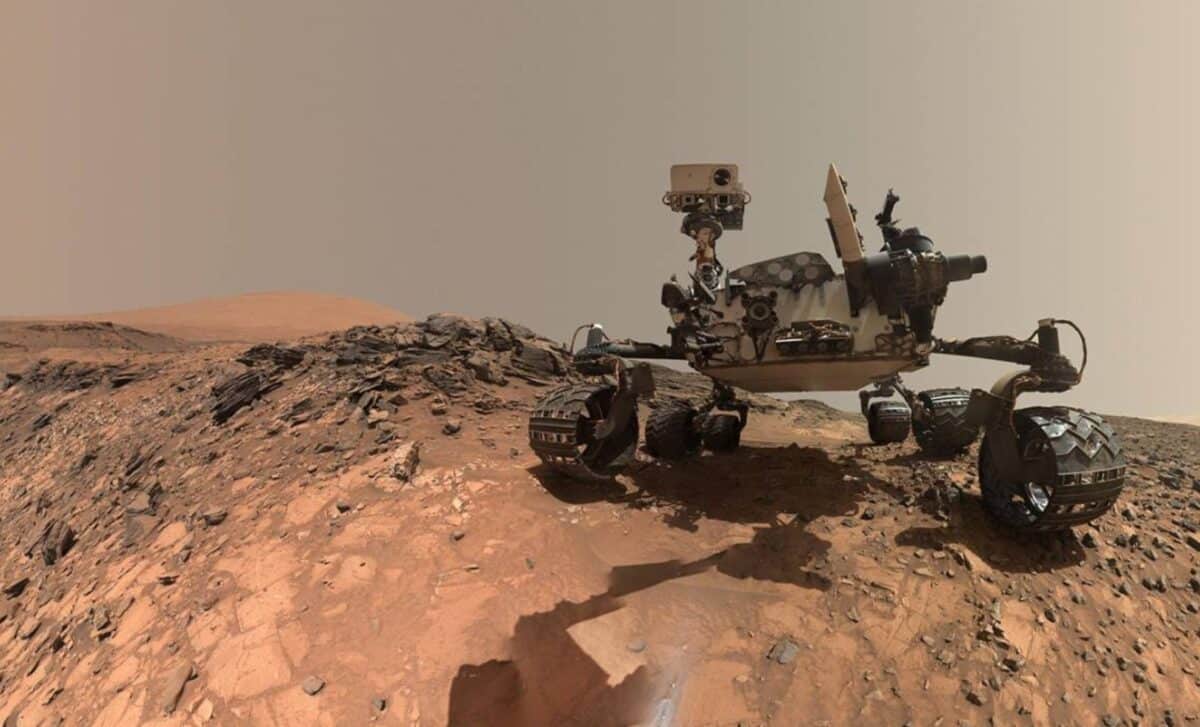
NASA’s Curiosity rover has uncovered new evidence suggesting that liquid water once flowed openly on Mars, extending the planet’s window of habitability. The rover captured images of distinct ripple patterns in Gale Crater, indicating that Martian lakes were not always trapped beneath ice but were exposed to the atmosphere. This discovery challenges previous theories that water on Mars was primarily subterranean or locked in ice sheets, offering fresh insights into the planet’s ancient climate and its potential to support microbial life.
The study, published in Science Advances, details how these formations resemble wave ripples commonly found in lakebeds on Earth. Curiosity documented the patterns in two different regions of Gale Crater, where it has been exploring since 2012. The structures measure about six millimeters in height and are spaced four to five centimeters apart, suggesting that they were shaped by interactions between wind and water in a shallow Martian lake. This evidence indicates that Mars once had standing bodies of water that were not completely frozen, reshaping scientists’ understanding of its hydrological history.
Claire Mondro, a sedimentologist at Caltech and the study’s lead author, emphasized that the ripples could only have formed in a lake where liquid water was exposed to the atmosphere and influenced by wind. This suggests that Mars once had a denser atmosphere capable of sustaining surface water for longer than previously thought. The presence of open water could have provided more stable conditions for potential microbial life, reinforcing the idea that ancient Mars was more Earth-like than once believed.
These findings add to growing evidence that Mars underwent multiple climate shifts in its past, transitioning between cold, icy periods and warmer, wetter phases. Understanding these changes is crucial for future exploration missions, as it may help scientists identify regions where signs of past life could be preserved. As Curiosity continues its mission, researchers hope to uncover additional clues about the Red Planet’s evolving environment and its potential to have once supported life.