Trump-Musk Rift Raises Regulatory Risks for Elon Musk’s Business Empire
Elon Musk’s deteriorating political relationship with former President Donald Trump may expose his vast business empire to heightened regulatory scrutiny across multiple U.S. agencies. As political tensions escalate, the risk that regulators may more aggressively oversee Musk’s various companies has become a growing concern. Below is an overview of the key U.S. regulators with authority over Musk’s enterprises, and the potential challenges ahead:
Federal Communications Commission (FCC)
The FCC oversees the allocation of spectrum critical to SpaceX’s Starlink satellite internet service. In April, the FCC launched a review of its longstanding spectrum sharing rules, potentially affecting SpaceX’s access to expanded frequencies necessary to enhance its coverage. While the review aims to modernize spectrum usage, it may also result in stricter rules or delays for SpaceX, depending on the political climate and regulatory stance.
Food and Drug Administration (FDA)
The FDA regulates clinical trials for Neuralink, Musk’s brain implant company. While Neuralink has secured FDA approval for initial human trials, earlier safety concerns cited by the agency in 2023 remain relevant as trials progress. Any missteps or adverse events in ongoing studies could prompt the FDA to halt or delay the company’s development timeline.
Environmental Protection Agency (EPA)
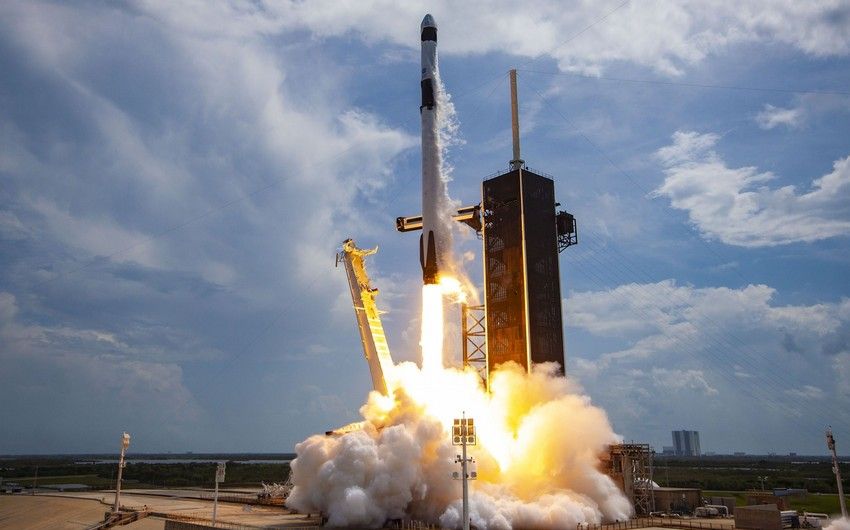
SpaceX’s Starbase launch facility in Texas falls under the EPA’s jurisdiction for environmental compliance, particularly regarding wastewater discharge and environmental impact assessments under the National Environmental Policy Act. Rocket launches and tests, which have included multiple explosions, may invite further scrutiny, particularly if environmental groups or political adversaries exert pressure on federal agencies.
National Highway Traffic Safety Administration (NHTSA)
Tesla’s Full Self-Driving (FSD) technology remains under active investigation by NHTSA, especially regarding its performance under poor visibility conditions. The agency recently requested detailed information on Tesla’s robotaxi service set to launch in Austin, Texas, this month. Any regulatory findings could impact Tesla’s ability to scale its self-driving services.
Federal Aviation Administration (FAA)
The FAA proposed a $633,000 fine against SpaceX last year for license violations during launches. With ongoing investigations and the potential for future launch failures, the FAA holds significant leverage over SpaceX’s launch schedule and licensing requirements.
Securities and Exchange Commission (SEC)
Musk continues to face legal battles with the SEC, including litigation related to his 2022 acquisition of Twitter (now X). The regulator is also reportedly investigating Neuralink, raising additional legal exposure. Any adverse findings could impact Musk personally as well as his companies’ access to capital markets.
Federal Trade Commission (FTC)
The FTC oversees data privacy and antitrust compliance for social media platforms, including X. The agency is currently investigating whether certain media watchdog groups coordinated advertiser boycotts of X, a situation Musk claims is anti-competitive. The FTC’s broader mandate to protect consumer privacy could result in further investigations, particularly regarding data protection for minors.
Political Climate Raises Stakes
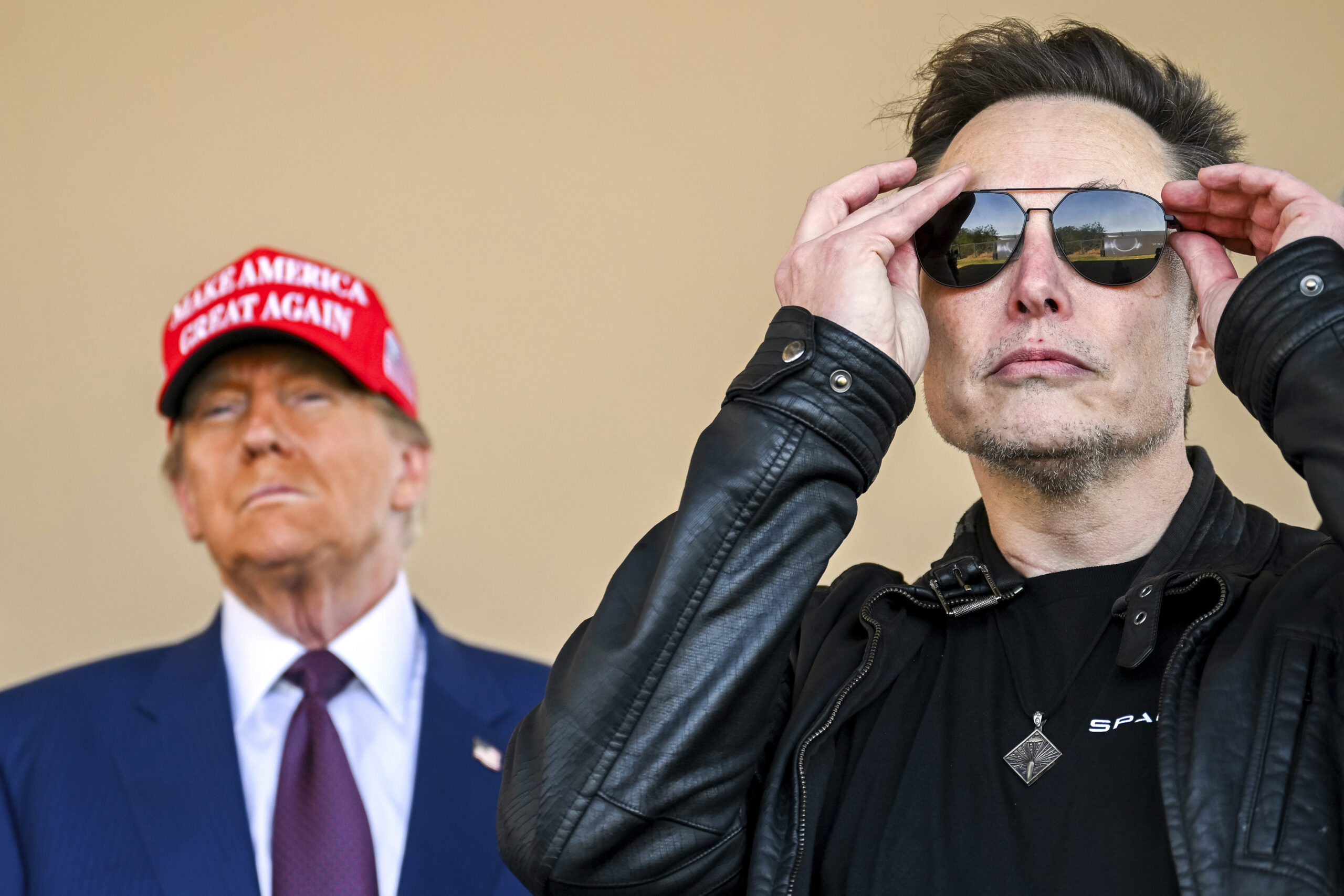
While these agencies have long held authority over Musk’s operations, his prior friendly ties to Trump may have provided a degree of political insulation. The recent breakdown in their relationship removes that buffer, potentially leaving Musk more exposed to adversarial regulatory action depending on future election outcomes and shifting political alliances.
With businesses spanning electric vehicles, space exploration, telecommunications, brain-computer interfaces, and social media, Musk’s cross-sector reach makes him uniquely vulnerable to regulatory actions from multiple federal agencies simultaneously.