Yazılar

SpaceX Falcon 9 Rocket to Deploy 24 Starlink Satellites from Florida

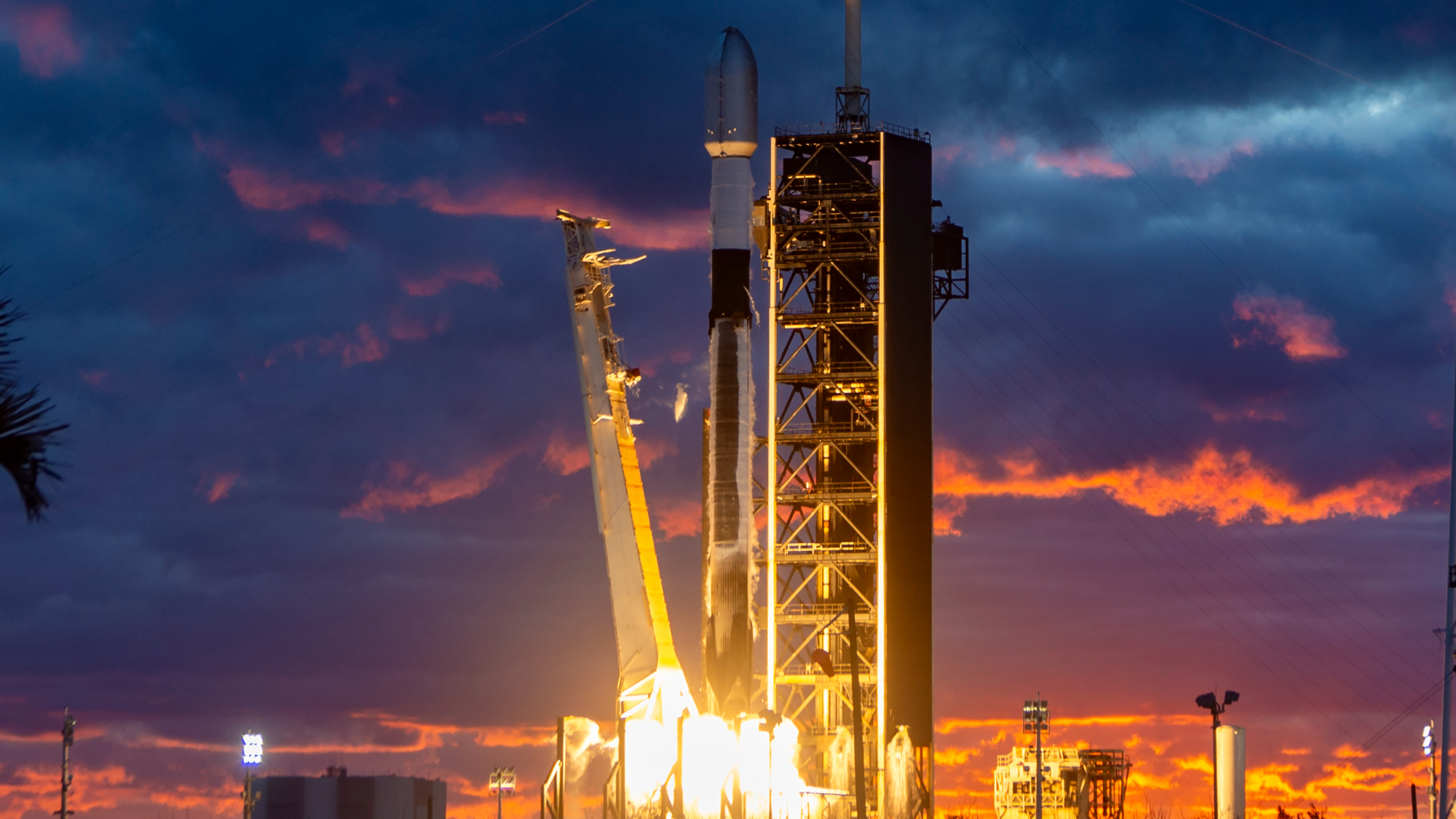
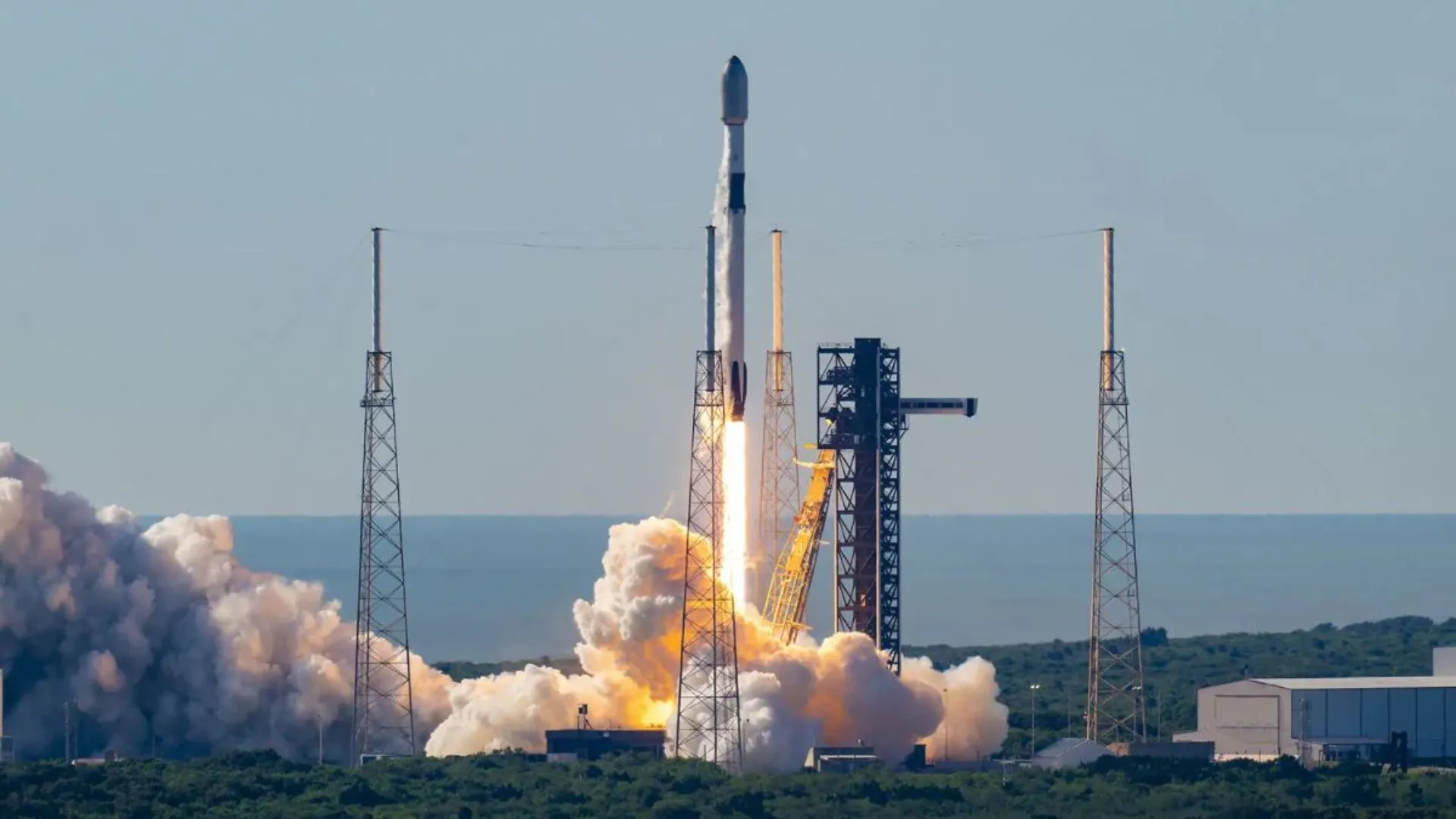
SpaceX is preparing for the launch of 24 additional Starlink satellites from Florida’s Space Coast, scheduled for Monday, November 11, at 4:02 p.m. EST (2102 GMT). Originally planned for Sunday, the launch had to be delayed due to inclement weather, which affected the recovery operation. The mission will take place at Cape Canaveral Space Force Station and will be another significant step in expanding SpaceX’s Starlink constellation, which is designed to offer global internet coverage, especially in underserved areas.

The Falcon 9 rocket will carry the 24 Starlink satellites and lift off within a four-hour window. SpaceX has indicated that the rocket’s first stage will separate and return to Earth approximately eight minutes after launch. It will perform a vertical landing on the drone ship “A Shortfall of Gravitas,” stationed in the Atlantic Ocean. This particular Falcon 9 booster will be making its 12th flight, having previously completed 11 successful missions, including five dedicated to deploying Starlink satellites.

Once the first stage has completed its re-entry and landing sequence, the upper stage will continue to carry the satellites to low Earth orbit (LEO). The deployment of the 24 satellites will occur approximately 65 minutes after launch. These satellites are part of SpaceX’s ongoing commitment to building out its Starlink network, which aims to improve internet access globally, particularly in regions where connectivity has historically been limited or unreliable.

This launch marks another chapter in SpaceX’s ambitious plan to expand the Starlink network, which now has over 6,500 active satellites in orbit. With a significant portion of Falcon 9 missions in 2024 dedicated to Starlink launches, SpaceX is rapidly expanding its global internet service. The network is not only increasing internet access in remote and rural areas but also improving connectivity in regions with limited or no service options, furthering SpaceX’s mission to connect the world

Is SpaceX’s Starship the Loudest Rocket Ever?

A History of Thunderous Rockets

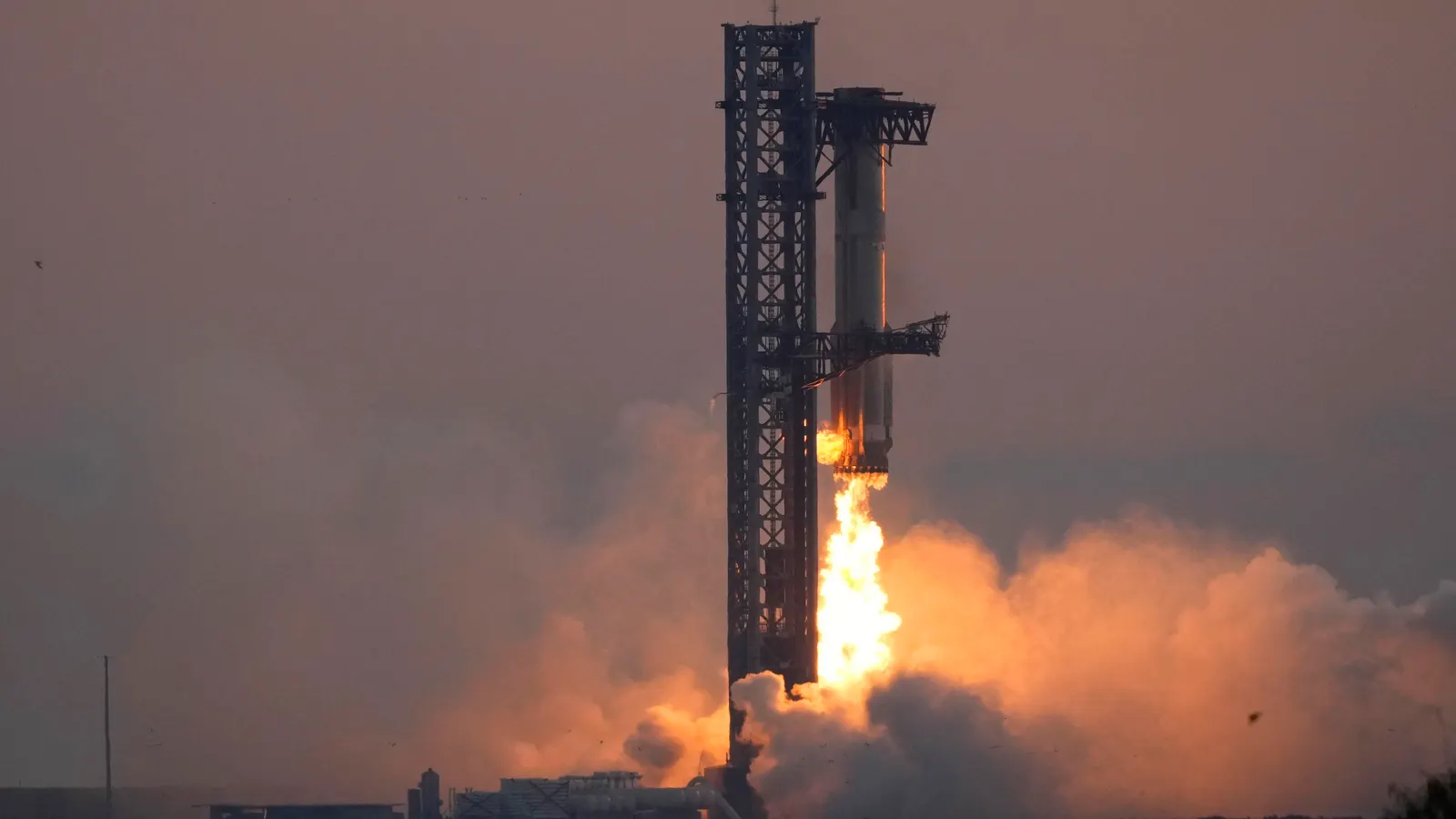
Rocket launches have always been associated with immense noise, but SpaceX’s Starship, the largest and most powerful rocket to leave the launchpad, has reignited debates about the loudest rocket ever. With thrust levels exceeding all previous rockets, Starship may set new records for launch noise.

Historically, NASA’s Saturn V rocket, used in the Apollo program during the 1960s and 1970s, was among the loudest rockets. Saturn V’s launches, with thrust levels of 35 MN, produced a maximum noise level of 204 decibels (dB), loud enough to be heard miles away and powerful enough to cause potential damage near the launchpad. Spectators were kept at least 3.2 miles (5.1 km) away to mitigate the risks of exposure.

Comparatively, the Soviet N1 rocket, designed for lunar missions, generated 45 MN of thrust, theoretically louder than Saturn V, though its limited launches failed to provide reliable acoustic measurements.

Starship: Breaking New Records

Starship, with its Super Heavy booster, produces an extraordinary 74 MN of thrust, more than double Saturn V’s output. During its fifth test flight in October 2024, researchers from Brigham Young University recorded noise levels exceeding 120 dB at a distance of 6.5 miles (10.5 km) and sonic booms reaching nearly 140 dB at the same distance.

Closer to the launchpad, pre-launch estimates from the FAA suggested noise levels could reach up to 150 dB, a volume that can potentially cause physical damage to structures. Residents in nearby towns reported vibrations, broken windows, and dust storms caused by the force of the rocket’s engines.

The combination of Super Heavy’s thrust and Starship’s massive size makes it a strong contender for the loudest rocket, especially when considering the environmental impact of its launches.

Managing Rocket Noise

Both Saturn V and Starship have highlighted the challenges of managing the acoustic power generated by massive rockets. NASA’s engineers addressed noise concerns during the Apollo era by using water-filled flame trenches at the launchpad to suppress sound waves. This method was also used for the Space Shuttle and the newer Space Launch System (SLS) rockets.

The SLS, used in NASA’s Artemis program, produces 15% more thrust than Saturn V and recorded 136 dB at 0.9 miles (1.5 km) during its Artemis I launch in 2022. Researchers noted the SLS’s crackling sound was “40 million times greater than a bowl of Rice Krispies.”

Starship’s sheer power poses additional challenges. Its April 2023 maiden flight destroyed its launchpad, underscoring the intensity of its thrust and noise. SpaceX has since worked on improving its launch systems, including water-based sound suppression.

Why Rockets Sound Different

Rocket noise isn’t just about volume; its characteristics depend on thrust, design, and atmospheric conditions. Low-frequency rumbles, high-decibel crackles, and the environment’s reflection of sound waves contribute to how launches are experienced. Overcast conditions, for instance, can amplify noise, carrying it farther from the launch site.

Future of Loud Rockets

With Starship’s ongoing development, noise levels may climb further as engineers refine the rocket for missions to Mars. SpaceX’s efforts to optimize performance and safety will include mitigating acoustic impacts, but earplugs and safe viewing distances will remain essential for spectators.

NASA and Roscosmos Disagree on Severity of Space Station Leaks

Leaking Zvezda Module Sparks Safety Concerns

The International Space Station (ISS) is grappling with worsening leaks in the Russian-controlled Zvezda module, first identified in 2019. Recent reports reveal an increased air loss rate, raising alarms at NASA over potential “catastrophic failure.” However, Russia’s space agency, Roscosmos, maintains that the station’s operations remain safe.

Key issues:

  • Leak Location: The Zvezda module’s transfer tunnel, which connects to a docking port, has been the primary site of the leaks.
  • Leak Rate: Air loss is approximately 2–2.5 pounds daily, exceeding the station’s baseline pressure maintenance requirements.
  • Structural Integrity: NASA highlights concerns about high-cycle fatigue causing cracks, while Russia attributes the problem to vibrations from mechanical systems.

Disputed Assessments and Mitigation Efforts

NASA and Roscosmos have yet to agree on the root cause or severity of the leaks.

  • NASA’s Position: The leaks pose a risk to structural integrity and astronaut safety, warranting independent evaluation.
  • Roscosmos’ Position: The situation is manageable, and catastrophic failure is unlikely.

Mitigation measures include:

  1. Segment Sealing: The leaking module remains sealed except during cargo operations.
  2. Crew Safety: Emergency evacuation protocols are bolstered, with additional “pallet seats” aboard SpaceX Crew Dragon capsules.

Implications for ISS Operations

The leaks complicate the station’s operations and long-term plans:

  • Cargo Delivery: Closing the Zvezda hatch permanently could reduce cargo delivery capacity.
  • Station Maintenance: Increased propellant use may be needed to maintain altitude and orientation if Russian spacecraft are sidelined.

The ongoing leaks come as the ISS, operational since 2000, approaches the end of its expected lifespan. NASA hopes to continue using the station until 2030, though Roscosmos has only committed through 2028.


NASA’s Transition Plan

NASA is preparing for the ISS’s eventual retirement by partnering with private companies, including SpaceX and Blue Origin, to develop commercial space stations. Contracts for these projects are expected to roll out by 2026, though readiness before the ISS’s decommissioning remains uncertain.


Conclusion

The Zvezda module’s leaks underscore the aging space station’s vulnerabilities and the importance of international cooperation. Despite disagreements, NASA and Roscosmos remain in close communication, prioritizing astronaut safety while navigating complex technical and diplomatic challenges.