Yazılar

Trump’s NASA Pick, Jared Isaacman, Sends Shockwaves Through Space Community

President-elect Donald Trump’s nomination of tech billionaire Jared Isaacman for NASA administrator has stirred significant reactions within the space community. Isaacman, known for his spaceflight ventures with SpaceX, has sparked both excitement and concern among industry leaders. While some view his appointment as a transformative choice, others worry about potential conflicts of interest, given his ties to SpaceX and other private ventures.

At 41, Isaacman has built a reputation in the space industry despite not following the typical path to NASA leadership, which often involves experience in government, academia, or engineering. Instead, Isaacman has become a prominent figure in the private space sector. He is the CEO of Shift4 Payments, which he founded as a teenager, and has an extensive background in aviation and defense contracting. In recent years, he has focused on space exploration, particularly through his partnership with SpaceX.

Isaacman first garnered international attention in 2021 when he funded and led the Inspiration4 mission, which marked the first all-civilian spaceflight to Earth’s orbit. Following this success, he launched the Polaris program with SpaceX, which includes historic milestones such as the first-ever commercial spacewalk. His direct involvement in space exploration through SpaceX has earned him significant credibility within the industry.

If confirmed, Isaacman would be only the fourth NASA administrator in the agency’s history to have actually traveled to space. His relationship with SpaceX, however, raises questions regarding potential conflicts of interest. NASA’s reliance on SpaceX for critical contracts, such as the Artemis lunar program and the development of the Starship spacecraft, may make Isaacman’s position at the helm of the agency controversial, especially considering his financial stake in SpaceX.

Despite these concerns, Isaacman’s nomination has received positive reactions from many in the space industry. Isaac Arthur, president of the National Space Society, praised Isaacman as a “perfect pick” due to his entrepreneurial experience and his knowledge of both NASA and SpaceX. Garrett Reisman, a former NASA astronaut and current SpaceX advisor, echoed this sentiment, calling Isaacman an “excellent choice” who will push NASA to advance further and faster.

Isaacman’s confirmation would come at a pivotal time for NASA, as the agency prepares for the first crewed moon landing in over fifty years under the Artemis program. While some have questioned his lack of government or academic experience, others believe his private-sector experience makes him well-suited to navigate NASA’s increasing reliance on commercial partnerships.

In addition to his business and spaceflight ventures, Isaacman’s political stance has also attracted attention. Unlike his friend Elon Musk, who has become politically active, Isaacman has positioned himself as politically neutral, emphasizing unity over division. This approach mirrors the traditional strategy of NASA administrators, who must work across party lines to secure funding and achieve the agency’s goals.

However, Isaacman’s close relationship with Musk could fuel suspicions that his leadership could prioritize SpaceX’s interests. Isaacman has been vocal about his opposition to NASA’s decision to fund two competing lunar lander projects, one from SpaceX and one from Blue Origin. His criticism of NASA’s spending decisions suggests a willingness to challenge established priorities, which could be either beneficial or contentious.

Despite these complexities, Isaacman’s vision for space exploration is closely aligned with SpaceX’s ambitious goals. He has repeatedly expressed his belief in the potential for humanity to establish permanent settlements on Mars and other celestial bodies. “SpaceX is on — for our time — the most incredible adventure imaginable,” Isaacman said in an interview, underscoring his commitment to advancing space exploration and addressing fundamental questions about humanity’s place in the universe.


Trump’s NASA Nominee Jared Isaacman: A Boost for SpaceX, Political Challenges Ahead

U.S. President-elect Donald Trump has chosen Jared Isaacman, a private astronaut and CEO of Shift4 Payments, as the nominee to lead NASA. Isaacman, a close ally of SpaceX and a prominent figure in commercial spaceflight, represents a bold shift toward privatized space exploration but will likely face significant political hurdles as NASA administrator.

Isaacman has participated in two historic SpaceX missions, including the first privately funded spacewalk, and has championed a vision for a “thriving space economy.” In his acceptance, he pledged to push humanity toward becoming a true spacefaring civilization.

Challenges in Overhauling NASA

Isaacman’s leadership is expected to align with Trump’s cost-cutting agenda, emphasizing privatized spaceflight and trimming NASA’s reliance on traditional government-owned programs. Key targets for potential budget reductions include the $24 billion Space Launch System (SLS) rocket and the lunar Gateway space station, which are over budget and delayed.

Despite the focus on cutting costs, Isaacman will need to navigate political resistance, especially from lawmakers keen to preserve NASA’s more expensive, contractor-driven programs. These include partnerships with legacy aerospace giants like Boeing and Lockheed Martin, which involve a large, nationwide workforce.

Isaacman’s approach is likely to favor private-sector solutions like SpaceX’s reusable rockets, which have already demonstrated cost savings and operational efficiency. SpaceX’s Crew Dragon capsules, for example, provide a cheaper alternative for transporting astronauts to the International Space Station, bolstering NASA’s commercial partnerships.

Support and Criticism

Elon Musk, CEO of SpaceX, has been a vocal supporter of Isaacman, describing him as a man of “high ability and integrity.” Musk reportedly recommended Isaacman to Trump, seeing him as someone capable of pushing NASA toward privatized, faster-paced space exploration.

Jim Bridenstine, Trump’s first NASA administrator, praised Isaacman’s nomination, highlighting his successful private-sector track record and vision for exploration. However, Isaacman’s nomination has also drawn skepticism from industry stakeholders, such as Allen Cutler, CEO of the Coalition for Deep Space Exploration, who raised concerns about budget limitations and workforce impacts under Isaacman’s leadership.

NASA’s Future Under Trump and Isaacman

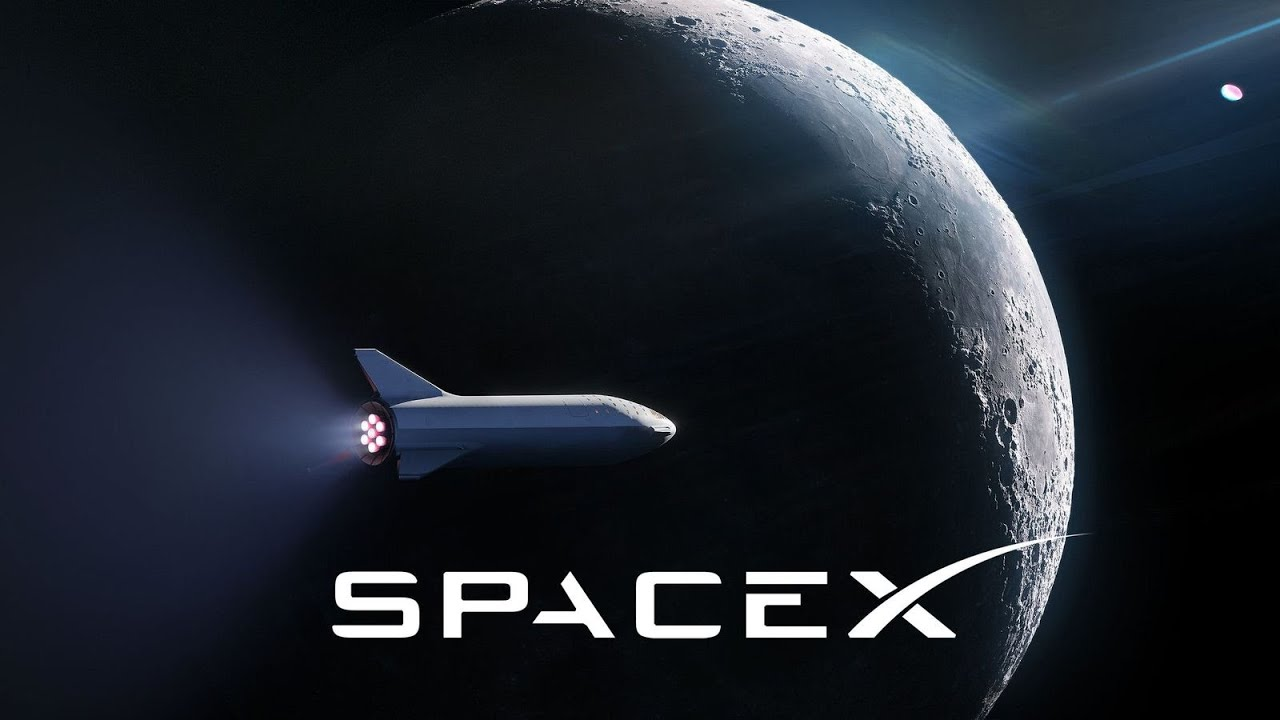
If confirmed by the Senate, Isaacman will inherit ongoing challenges with NASA’s Artemis program, which aims to return astronauts to the moon. The program has faced cost overruns and delays, pushing its first crewed lunar landing to 2027. SpaceX’s Starship rocket is expected to play a central role in these missions, further embedding NASA’s reliance on commercial partnerships.

Bill Nelson, NASA’s current administrator, expressed optimism about Isaacman’s nomination and the potential collaboration between Trump’s administration and Elon Musk to secure NASA funding. “The relationship between Musk and the president-elect is going to be a benefit,” Nelson said.

While Isaacman’s commercial focus could transform NASA’s operational model, balancing political and economic pressures will be critical to achieving his vision for a more privatized, spacefaring future.

SpaceX to Deploy 23 Additional Starlink Satellites with Falcon 9 Launch from Florida

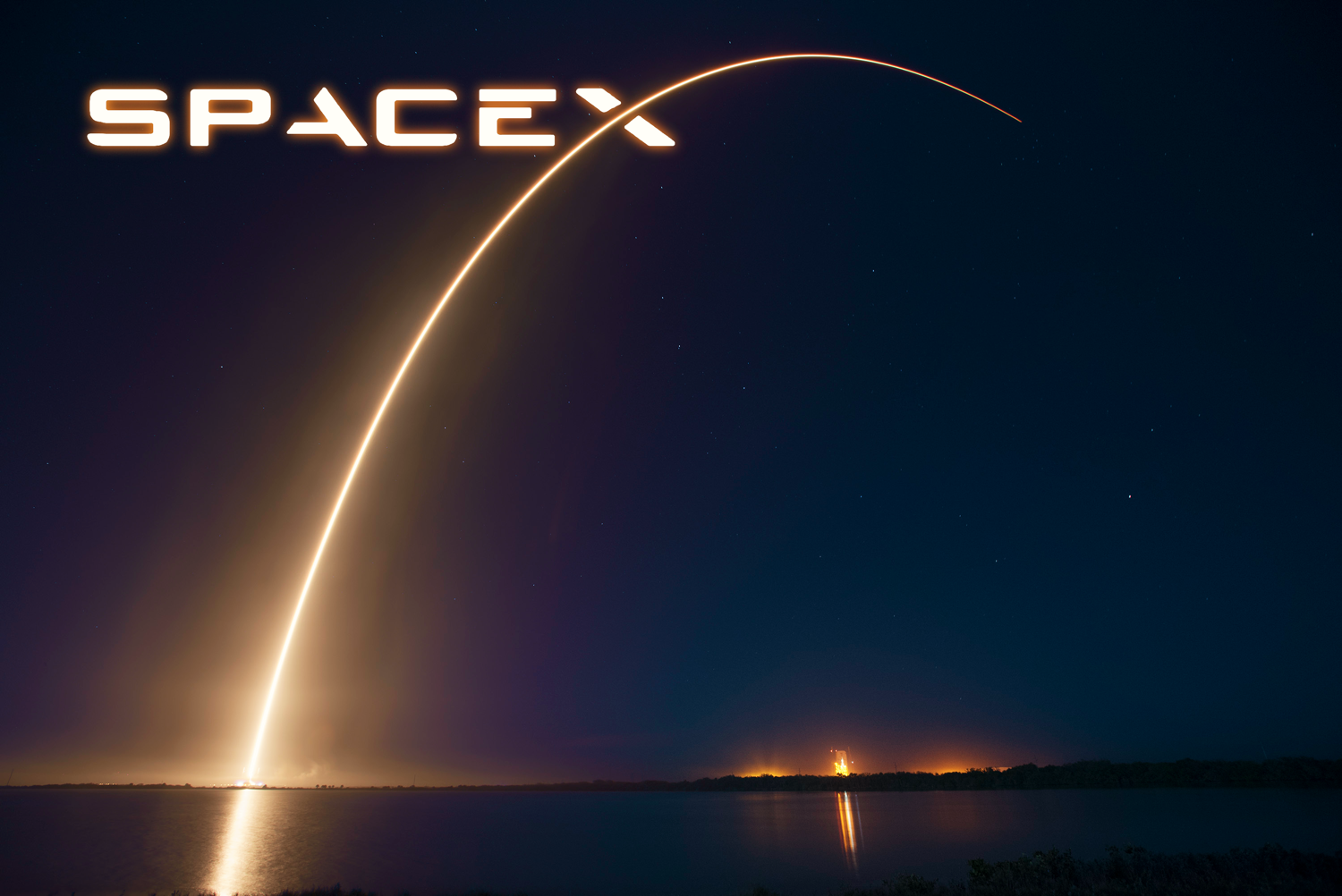
SpaceX is set to launch 23 additional Starlink satellites from Cape Canaveral Space Force Station in Florida. The liftoff of the Falcon 9 rocket is scheduled for 4:35 a.m. EST within a 3.5-hour launch window. This mission is part of SpaceX’s ongoing effort to expand its global Starlink network, which provides high-speed internet access to underserved regions. Among the satellites, 12 will feature direct-to-smartphone technology, offering a significant enhancement to the capabilities of the Starlink service.

The launch will be broadcast live by SpaceX on X, with coverage beginning approximately five minutes before the scheduled liftoff. If the launch proceeds as planned, the Falcon 9’s first stage will return to Earth about eight minutes after takeoff. The rocket will land on the droneship Just Read the Instructions, stationed in the Atlantic Ocean. This mission will be the 13th flight and successful landing for the booster, which has already completed six other Starlink missions, further proving the reusability of SpaceX’s rocket technology.

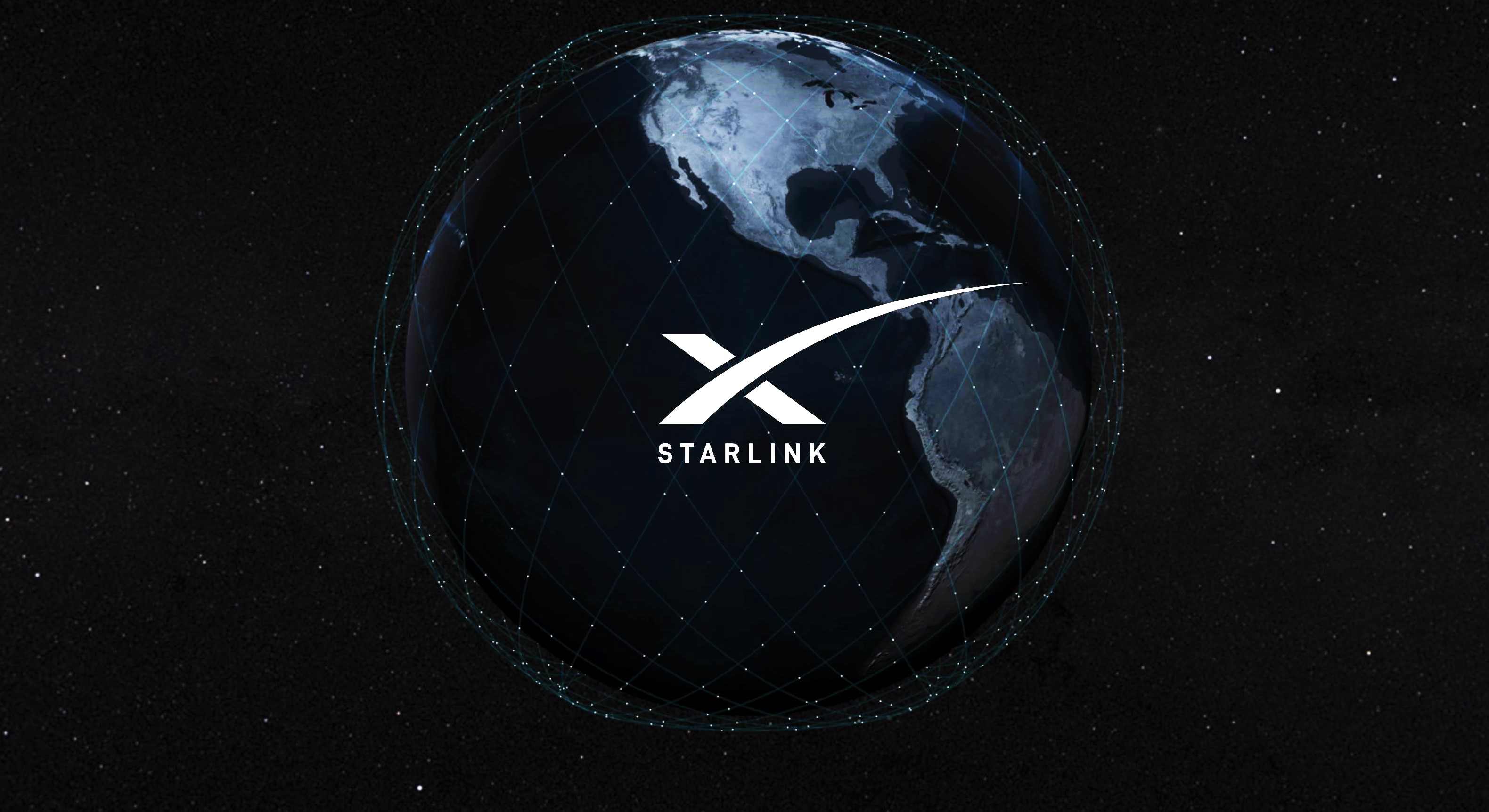
Following liftoff, the Falcon 9’s upper stage will continue its ascent, preparing to deploy the 23 satellites into low Earth orbit. The deployment is expected to take place approximately 65 minutes after launch. These new satellites will contribute to the rapid expansion of the Starlink constellation, which already boasts over 6,600 active satellites. This growing network is essential for SpaceX’s goal of providing fast, reliable internet coverage worldwide, including in remote and rural areas where traditional broadband infrastructure is lacking.

With each launch, SpaceX moves closer to achieving its ambitious goal of a global satellite internet network. The addition of these 23 satellites will enhance Starlink’s coverage and capacity, ensuring that more people around the world can access the internet, regardless of their location. As SpaceX continues to deploy more satellites, the Starlink constellation is poised to play a key role in bridging the digital divide and transforming the way we connect to the internet.