Jared Isaacman: Trump’s NASA Pick and a Crypto Billionaire with Space Ambitions
Jared Isaacman, President-elect Donald Trump’s pick to lead NASA, is not only a space enthusiast but also a crypto billionaire with significant influence in the fintech sector. At 41 years old, Isaacman made headlines earlier this year by commanding the world’s first all-civilian space mission, a remarkable feat in commercial space travel. He is also the founder and CEO of Shift4, a fintech company specializing in secure payment processing, which he founded at the age of 16 in 1999. The company, which went public in 2020, has seen its stock surge nearly 40% this year, bringing its market value to $9.3 billion.
Trump highlighted Isaacman’s leadership in a post on Truth Social, praising him for his success in building Shift4 into a global financial technology leader. Much of that success stems from Isaacman’s forward-thinking approach to cryptocurrency, particularly his investments in stablecoins—a less glamorous but growing sector of the digital asset market.
In early 2022, Isaacman and his team met with crypto entrepreneurs Alex Wilson and Pat Duffy, who were in the process of selling their crypto donation platform, The Giving Block, to Shift4. The group discussed the potential applications of blockchain technology across Shift4’s payment services. While the broader crypto market was booming, with digital assets like Bitcoin reaching record highs, Isaacman and his team focused on stablecoins—cryptocurrencies pegged to the value of real-world assets, typically the U.S. dollar.
Stablecoins, worth approximately $200 billion today, are seen as a more stable and practical option for cross-border payments, offering lower transaction costs and faster processing times compared to traditional financial systems. Isaacman, Wilson, and Duffy believed that stablecoins were more likely to become mainstream as a payment method than Bitcoin or Ethereum. This vision led to Shift4’s acquisition of The Giving Block for $54 million, along with a potential earnout of up to $246 million. In October 2023, Shift4 rolled out its “Pay with Crypto” service, allowing customers to use cryptocurrency at over 200,000 merchants.
Isaacman’s involvement in the crypto space aligns with the broader trend of digital currencies becoming increasingly mainstream. The crypto market has seen substantial growth since Trump’s election win in 2024, with Bitcoin reaching new highs and institutional investors jumping in, fueled by the popularity of spot bitcoin exchange-traded funds. Companies like Stripe, PayPal, Visa, and Mastercard are also embracing stablecoins, recognizing their potential for faster and cheaper transactions.
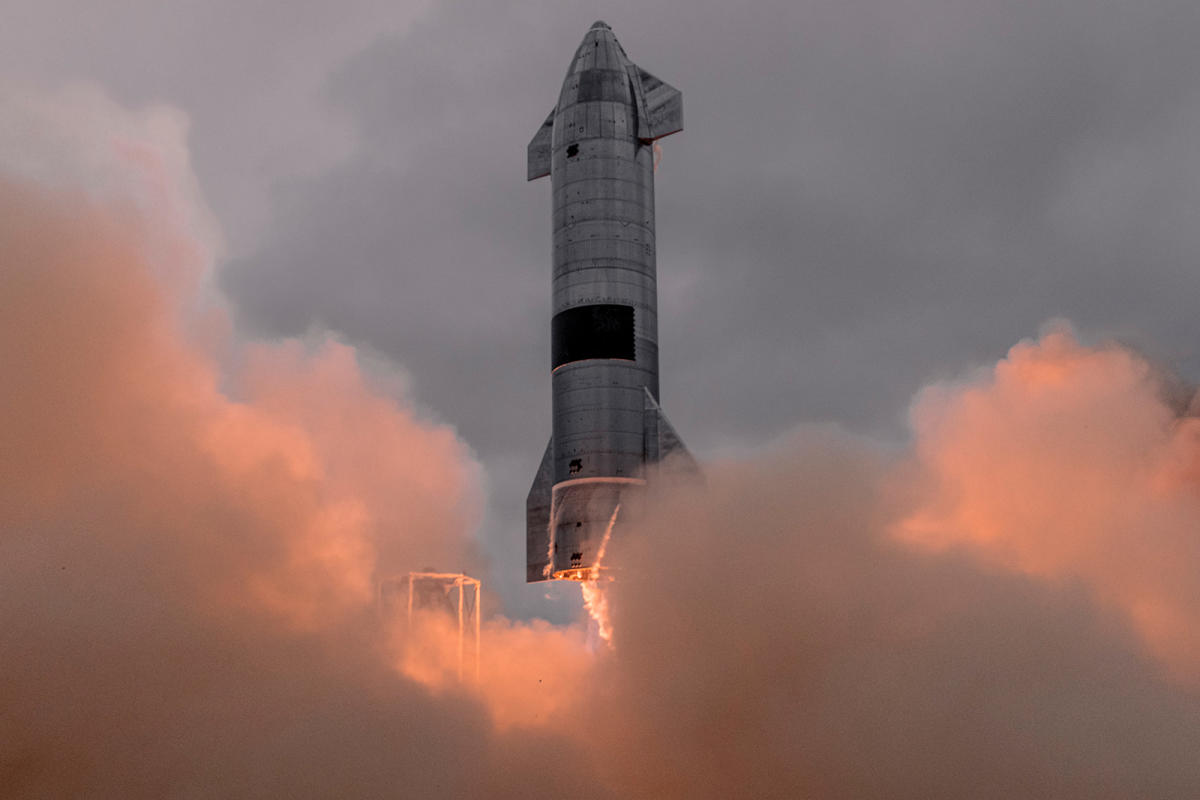
In addition to his achievements in fintech, Isaacman has also pursued a passion for space exploration. He has commanded two private SpaceX missions, one in 2021 and another in 2024, further cementing his ties with Elon Musk, a key ally of Trump. Isaacman views his appointment to lead NASA as an opportunity to advance human space exploration and contribute to humanity’s understanding of the universe.
Despite his new role, Isaacman will remain CEO of Shift4 until his Senate confirmation. He expressed that his choice to lead NASA is driven by his desire to give back to the country that enabled his success and to continue pushing the boundaries of space exploration. His leadership at both Shift4 and NASA is expected to shape the future of space technology and cryptocurrency as they continue to converge.