Yazılar

NASA’s Europa Clipper Mission Launches Today: Watch Live Online for Exclusive Details and Updates

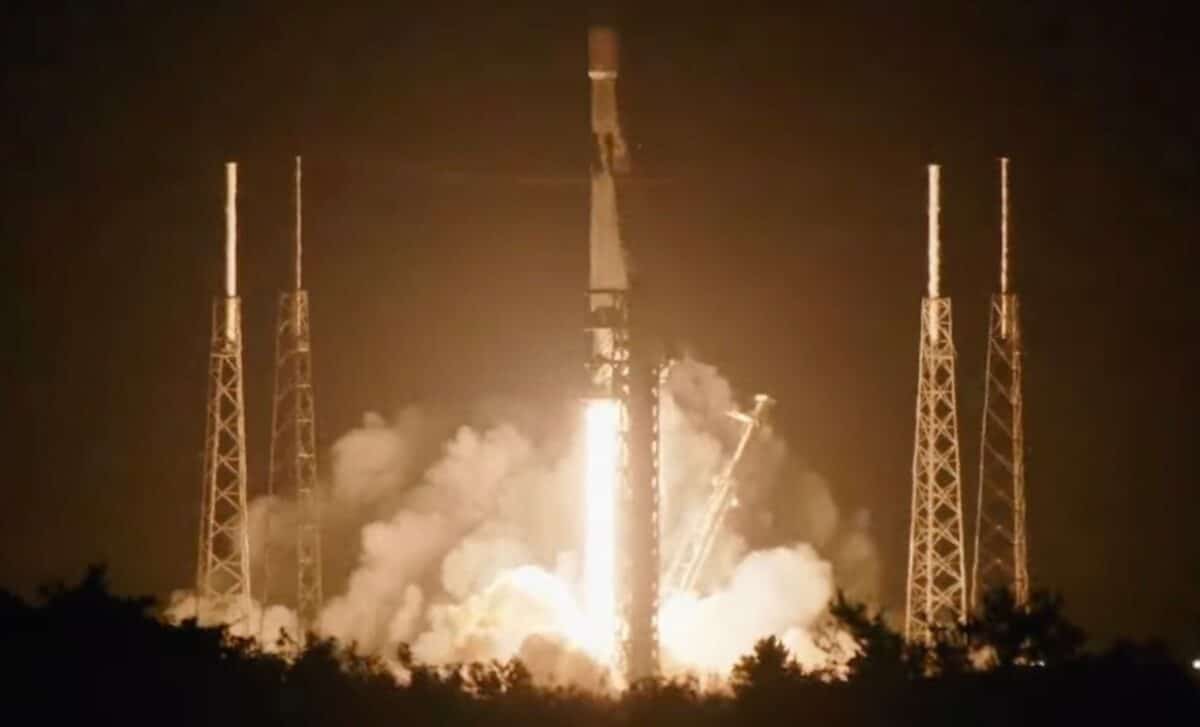
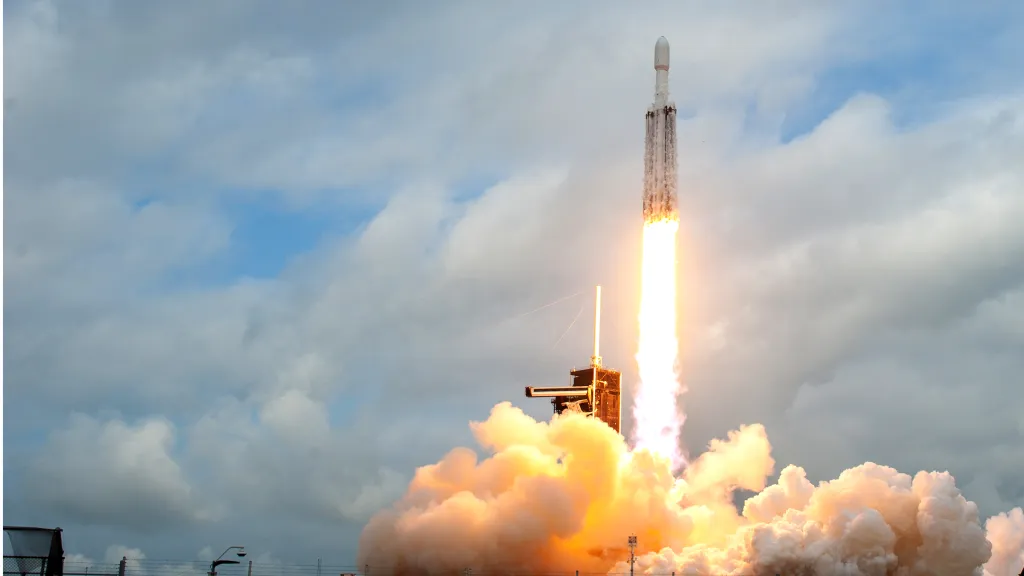
NASA’s Europa Clipper mission is poised to embark on an exciting journey to Jupiter’s enigmatic moon, Europa, with its launch scheduled for October 14, 2024, at 12:06 PM EDT (9:36 PM IST). The spacecraft will lift off aboard a SpaceX Falcon Heavy rocket from Launch Complex 39A at NASA’s Kennedy Space Center in Florida. This mission holds immense promise as it aims to investigate Europa’s potential to support life, with the spacecraft expected to reach its destination by April 2030. By closely studying Europa’s icy surface and subsurface ocean, scientists hope to gain crucial insights into the moon’s habitability and the broader implications for life beyond Earth.

To celebrate the launch, NASA will host a series of festivities on launch day, starting with live coverage from 11:00 AM EDT. This event will be accessible to viewers around the world via multiple platforms, including YouTube, NASA+, and various social media channels such as X, Twitch, and KSC Facebook. For Spanish-speaking audiences, NASAes will provide coverage on YouTube and NASA+. The extensive coverage reflects NASA’s commitment to transparency and public engagement, allowing space enthusiasts to witness the critical moments leading up to the launch.

For those looking to enhance their launch day experience, NASA is offering several opportunities for public participation. Aspiring virtual guests can sign up to receive exclusive mission resources and a commemorative stamp for their virtual passport, making the experience even more memorable. Additionally, NASA encourages fans to host their own launch watch parties, providing resources through their Launch Party Hub. This initiative not only fosters community engagement but also enables individuals to share their excitement about space exploration with friends and family.

The Europa Clipper mission represents a major milestone in planetary science, promising to unravel the mysteries surrounding one of the most intriguing bodies in our solar system. As the spacecraft prepares for its groundbreaking journey, the involvement of the public through virtual participation and watch parties serves as a reminder of the collaborative spirit of space exploration. With each mission, NASA continues to inspire curiosity and wonder about the universe, inviting everyone to be part of this incredible adventure.

SpaceX Crew-8 Astronauts Evaluated at Medical Facility After Splashdown

In an unexpected turn of events, the astronauts from SpaceX’s Crew-8 mission were taken to a medical facility in Florida following their splashdown on Friday morning, instead of returning directly to their base in Houston, Texas. This decision, made by NASA, was described as a precautionary measure.

Splashdown and Immediate Aftermath

The Crew-8 team, consisting of three NASA astronauts—Matthew Dominick, Michael Barratt, and Jeanette Epps—along with Russian cosmonaut Alexander Grebenkin, successfully landed in the Gulf of Mexico at 3:29 a.m. ET after spending nearly eight months aboard the International Space Station (ISS). NASA reported that the crew had a “safe splashdown and recovery.”

Cheryl Warner, NASA’s news chief, confirmed in a statement at 8 a.m. ET that the crew was evaluated at a local medical facility. “The crew exited the Dragon spacecraft onto a recovery ship for standard post-flight medical evaluations,” she explained. “Out of an abundance of caution, all crew members were flown to the facility together.”

Details on Medical Evaluations

The astronauts were taken to Ascension Sacred Heart Pensacola, a hospital located near their splashdown site. While they remained at the facility, NASA officials did not specify the nature of the medical checks. Warner noted that the crew was still undergoing evaluations by 9 a.m. ET but assured that there were no initial reports of medical issues during a pre-dawn news briefing.

At a 5 a.m. ET briefing, Richard Jones, NASA’s deputy manager for the Commercial Crew Program, stated that the crew was doing well and undergoing routine medical assessments. “They’ll soon be on their way back to Houston after all of those are done,” he added.

Extended Mission and Return Challenges

Crew-8’s mission was notable for its length, marking the longest duration in space for a U.S. crewed vehicle at 235 days. The crew launched into space on March 4, and their extended stay on the ISS was due to a series of delays related to the Boeing Starliner spacecraft, which was grounded due to safety concerns. As a result, NASA opted to return the Starliner crew on a different mission, which subsequently postponed Crew-8’s homecoming.

Weather conditions also played a role in the delays, pushing Crew-8’s return into late October. As astronauts are usually in space for approximately five to seven months, this extended duration necessitated comprehensive post-mission medical evaluations.

Conclusion: A Cautious Return to Earth

The precautionary measures taken following Crew-8’s splashdown highlight the rigorous safety protocols in place for astronauts returning from extended missions. While the crew’s journey back to Houston has been delayed for medical evaluations, they are expected to return home soon, marking the conclusion of their historic mission.

Musk’s Victory in India’s Satellite Spectrum Raises Possibility of Price War with Ambani

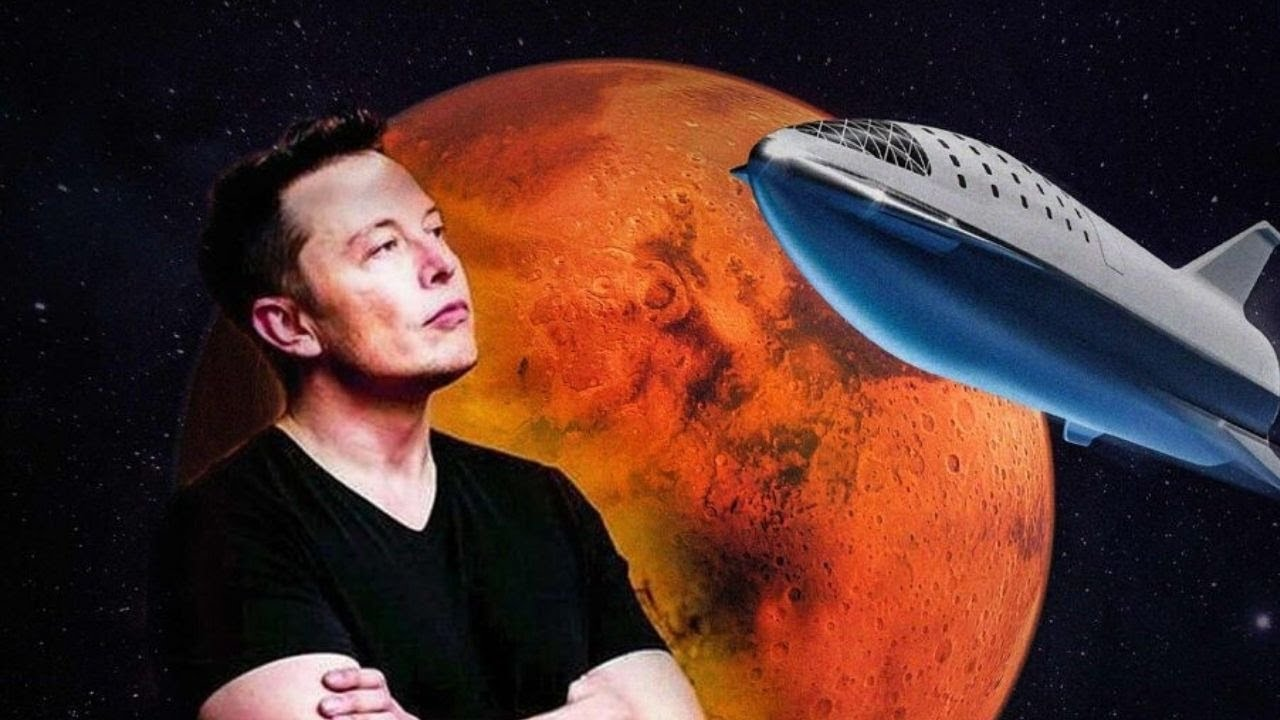
Elon Musk has gained an important victory in India’s satellite spectrum debate, potentially setting the stage for a pricing war with Mukesh Ambani, Asia’s wealthiest man. Following a decision by the Indian government, the country will allocate spectrum for satellite broadband through administrative means rather than the auction process Ambani’s Reliance Jio had been pushing for. Musk, who had publicly criticized the auction route as “unprecedented,” now has a clearer path to launching Starlink’s satellite internet services in India.

Musk’s SpaceX unit, Starlink, has a vast network of 6,400 active satellites providing low-latency broadband to 4 million customers globally. While Starlink has long expressed interest in entering India’s market, regulatory barriers have slowed progress. On the other hand, Ambani’s Reliance Jio, the largest telecom provider in India, had lobbied for spectrum auctions, seeking a “balanced competitive landscape” that would have demanded heavy investments from foreign players like Starlink.

The Indian government’s recent decision removes one of the hurdles for Starlink, allowing it to apply for necessary permits and potentially launch services soon. This marks the beginning of what could be a new battleground between Musk and Ambani, especially over pricing. Starlink’s entry could disrupt India’s broadband market, which has been dominated by Reliance Jio. After spending $19 billion in airwave auctions, Reliance now faces the risk of losing broadband customers to Starlink, and perhaps even data and voice customers as technology advances, according to sources familiar with the situation.

Globally, spectrum allocation through administrative processes has become the norm, with India following this trend. Starlink has already submitted its application for necessary permits, and industry experts foresee Starlink’s aggressive pricing tactics becoming a key factor in this competition. Tim Farrar, a satellite industry analyst, pointed out that Starlink can offer more competitive prices since it doesn’t need to launch new satellites, while Reliance Jio relies on its partnership with Luxembourg-based SES Astra, which operates just 38 satellites.

This isn’t the first time Musk has aggressively undercut prices in new markets. In Kenya, Starlink priced its services at just $10 per month, compared to the $120 per month it charges in the United States. This move sparked complaints from local provider Safaricom, which argued that satellite operators like Starlink should be required to partner with mobile networks. Similar concerns may arise in India as Starlink enters the broadband market.

In India, Reliance Jio currently offers fiber-based broadband at $10 per month, with free routers for long-term plans. Starlink’s strategy, according to industry insiders, involves initially targeting corporate clients with unlimited internet data plans. Starlink’s technology is also poised to reach remote areas, including the 25,000 Indian villages that still lack internet connectivity, making it an appealing option for underserved regions.

India, with 42 million wired broadband users and 904 million telecom users, is the world’s second-largest telecom market. Internet penetration, though growing, still stands at just over 52% as of early 2024, highlighting the potential for further expansion in both rural and urban areas. Starlink’s ability to deliver high-speed internet to remote areas could prove to be a game-changer, particularly in regions where fiber-optic infrastructure is lacking.

Musk has publicly stated that Starlink could be instrumental in providing internet to underserved parts of India. With plans to launch hundreds of additional satellites to enable “direct to cell” voice and data services in the coming years, Starlink’s ambitions extend beyond traditional broadband.

While some industry experts, like Gareth Owen from Counterpoint, believe the fears surrounding Starlink may be overblown—arguing that terrestrial networks will always be cheaper—the rivalry between Musk and Ambani is intensifying. Musk has even taken to social media to joke about the situation, suggesting he would call Ambani to ask if Starlink could compete fairly in India’s internet market.