Yazılar

SpaceX to Deploy 23 Additional Starlink Satellites with Falcon 9 Launch from Florida

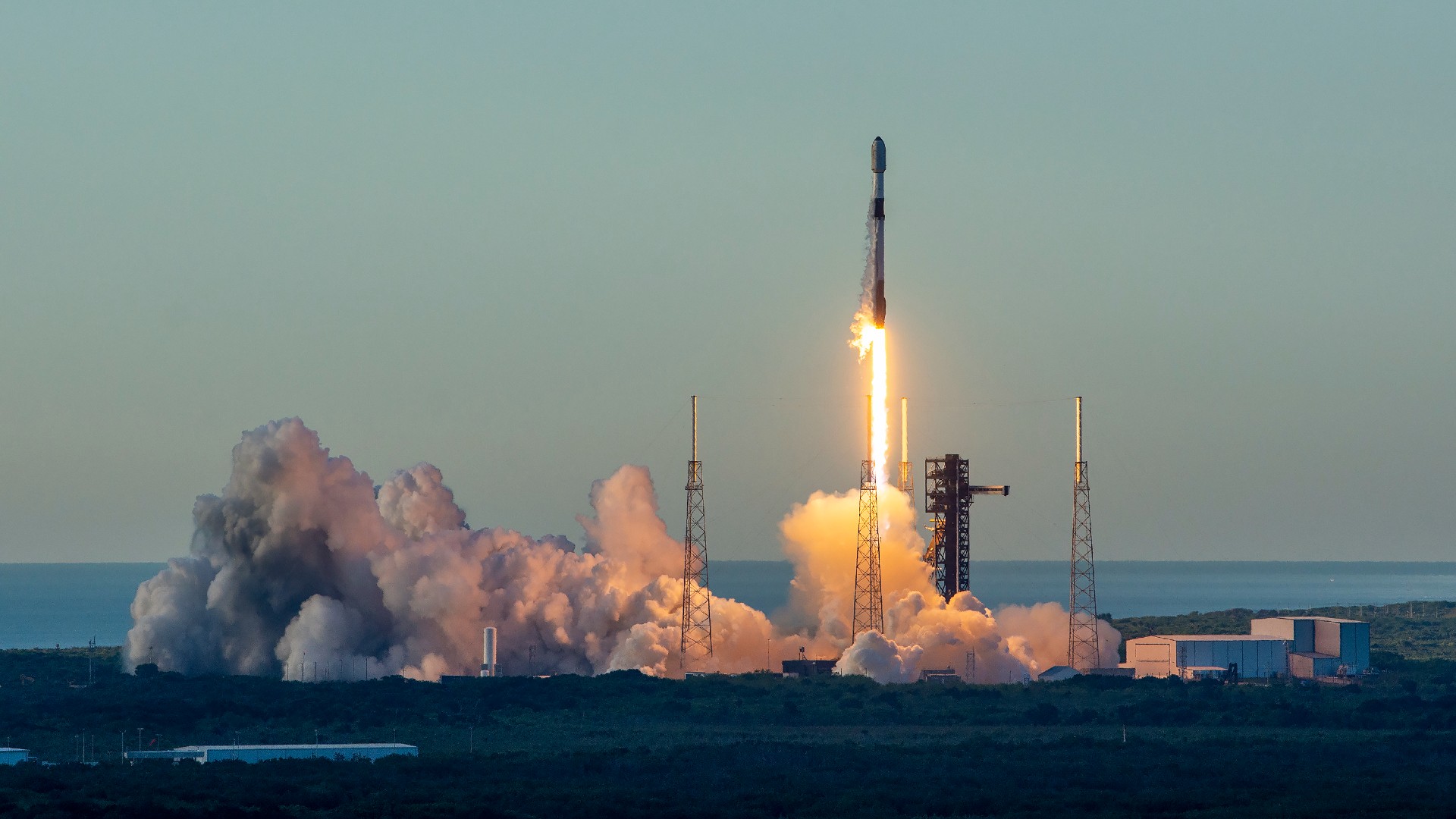
SpaceX is set to launch 23 additional Starlink satellites from Cape Canaveral Space Force Station in Florida. The liftoff of the Falcon 9 rocket is scheduled for 4:35 a.m. EST within a 3.5-hour launch window. This mission is part of SpaceX’s ongoing effort to expand its global Starlink network, which provides high-speed internet access to underserved regions. Among the satellites, 12 will feature direct-to-smartphone technology, offering a significant enhancement to the capabilities of the Starlink service.

The launch will be broadcast live by SpaceX on X, with coverage beginning approximately five minutes before the scheduled liftoff. If the launch proceeds as planned, the Falcon 9’s first stage will return to Earth about eight minutes after takeoff. The rocket will land on the droneship Just Read the Instructions, stationed in the Atlantic Ocean. This mission will be the 13th flight and successful landing for the booster, which has already completed six other Starlink missions, further proving the reusability of SpaceX’s rocket technology.

Following liftoff, the Falcon 9’s upper stage will continue its ascent, preparing to deploy the 23 satellites into low Earth orbit. The deployment is expected to take place approximately 65 minutes after launch. These new satellites will contribute to the rapid expansion of the Starlink constellation, which already boasts over 6,600 active satellites. This growing network is essential for SpaceX’s goal of providing fast, reliable internet coverage worldwide, including in remote and rural areas where traditional broadband infrastructure is lacking.

With each launch, SpaceX moves closer to achieving its ambitious goal of a global satellite internet network. The addition of these 23 satellites will enhance Starlink’s coverage and capacity, ensuring that more people around the world can access the internet, regardless of their location. As SpaceX continues to deploy more satellites, the Starlink constellation is poised to play a key role in bridging the digital divide and transforming the way we connect to the internet.

Airbus, Thales, and Leonardo Plan New European Satellite Venture Amid Industry Challenges

INTRODUCTION:
European aerospace giants Airbus, Thales, and Leonardo are reportedly in discussions to establish a joint satellite venture, codenamed “Project Bromo.” This ambitious initiative aims to challenge Elon Musk’s Starlink network and reshape Europe’s satellite sector, which has struggled with losses and competitive pressures from low-cost satellites in low Earth orbit (LEO).

KEY DETAILS

  1. Project Bromo – A European Satellite Champion:
    • The venture, modeled on missile maker MBDA, envisions a standalone entity combining satellite assets rather than a traditional acquisition structure.
    • This collaborative effort seeks to leverage the strengths of the three companies to create a scalable and competitive European satellite enterprise.
    • Leonardo CEO Roberto Cingolani confirmed discussions about adopting the MBDA model but noted governance structures may vary.
  2. Strategic Drivers:
    • Europe’s leading satellite makers, traditionally focused on high-complexity geostationary orbit spacecraft, are adapting to the rapid rise of smaller, cost-efficient satellites in LEO.
    • Cingolani emphasized that satellites could account for 75% of the space economy in the future, highlighting the need for Europe to stay competitive in this evolving market.
  3. Job Cuts Across the Industry:
    • Parallel to the satellite initiative, Airbus plans to cut up to 2,500 jobs in its Defence and Space division, representing 7% of its workforce, by mid-2026.
    • Thales has announced plans to reduce 1,300 space-related positions as part of restructuring efforts.
    • Most Airbus cuts are expected in its €2 billion space systems business, with reductions likely in France, Germany, the UK, and Spain.
  4. Historical Challenges:
    • The European space industry has long discussed restructuring but has faced delays due to competition concerns and governance complexities.
    • Despite previous attempts, including Airbus’ 2001 pledge to restructure the space industry after forming MBDA, substantial progress has been elusive.
  5. Timeline and Implications:
    • Project Bromo is still in early stages and could take years to materialize.
    • If successful, the joint venture would provide Europe with a robust satellite manufacturing entity capable of competing with global players like Starlink.

MARKET AND COMPETITION

  • Global Satellite Trends: The space economy is shifting toward LEO satellites, driven by demand for affordable, scalable solutions for global internet connectivity and communication.
  • Challenges from Starlink: SpaceX’s Starlink dominates the LEO market with its extensive satellite network, presenting a formidable challenge to European firms.
  • European Collaboration: The MBDA-inspired model may allow for better resource pooling and coordinated competition, reducing fragmentation in the European satellite market.

CONCLUSION

Project Bromo represents a significant step toward strengthening Europe’s position in the satellite industry. However, its success depends on overcoming technical and governance hurdles and aligning the diverse interests of Airbus, Thales, and Leonardo. Simultaneously, widespread job cuts underscore the challenges facing the European space sector as it navigates competitive pressures and structural realignments.

SpaceX Falcon 9 Rocket to Deploy 24 Starlink Satellites from Florida

SpaceX is preparing for the launch of 24 additional Starlink satellites from Florida’s Space Coast, scheduled for Monday, November 11, at 4:02 p.m. EST (2102 GMT). Originally planned for Sunday, the launch had to be delayed due to inclement weather, which affected the recovery operation. The mission will take place at Cape Canaveral Space Force Station and will be another significant step in expanding SpaceX’s Starlink constellation, which is designed to offer global internet coverage, especially in underserved areas.

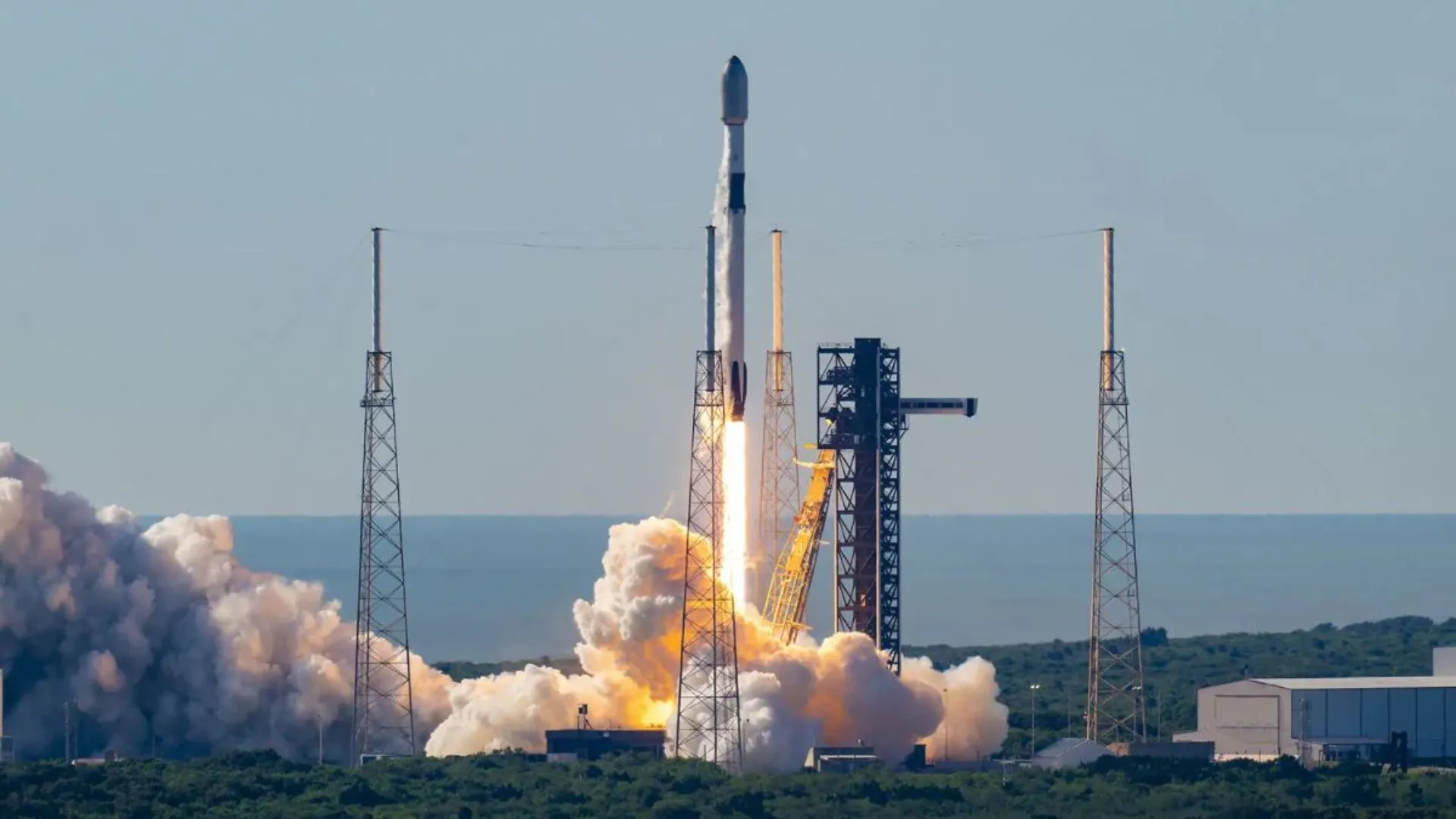
The Falcon 9 rocket will carry the 24 Starlink satellites and lift off within a four-hour window. SpaceX has indicated that the rocket’s first stage will separate and return to Earth approximately eight minutes after launch. It will perform a vertical landing on the drone ship “A Shortfall of Gravitas,” stationed in the Atlantic Ocean. This particular Falcon 9 booster will be making its 12th flight, having previously completed 11 successful missions, including five dedicated to deploying Starlink satellites.

Once the first stage has completed its re-entry and landing sequence, the upper stage will continue to carry the satellites to low Earth orbit (LEO). The deployment of the 24 satellites will occur approximately 65 minutes after launch. These satellites are part of SpaceX’s ongoing commitment to building out its Starlink network, which aims to improve internet access globally, particularly in regions where connectivity has historically been limited or unreliable.

This launch marks another chapter in SpaceX’s ambitious plan to expand the Starlink network, which now has over 6,500 active satellites in orbit. With a significant portion of Falcon 9 missions in 2024 dedicated to Starlink launches, SpaceX is rapidly expanding its global internet service. The network is not only increasing internet access in remote and rural areas but also improving connectivity in regions with limited or no service options, furthering SpaceX’s mission to connect the world