Yazılar

Elon Musk Joins Trump’s Call with Ukraine’s Zelenskiy After Election Win, Reports Say

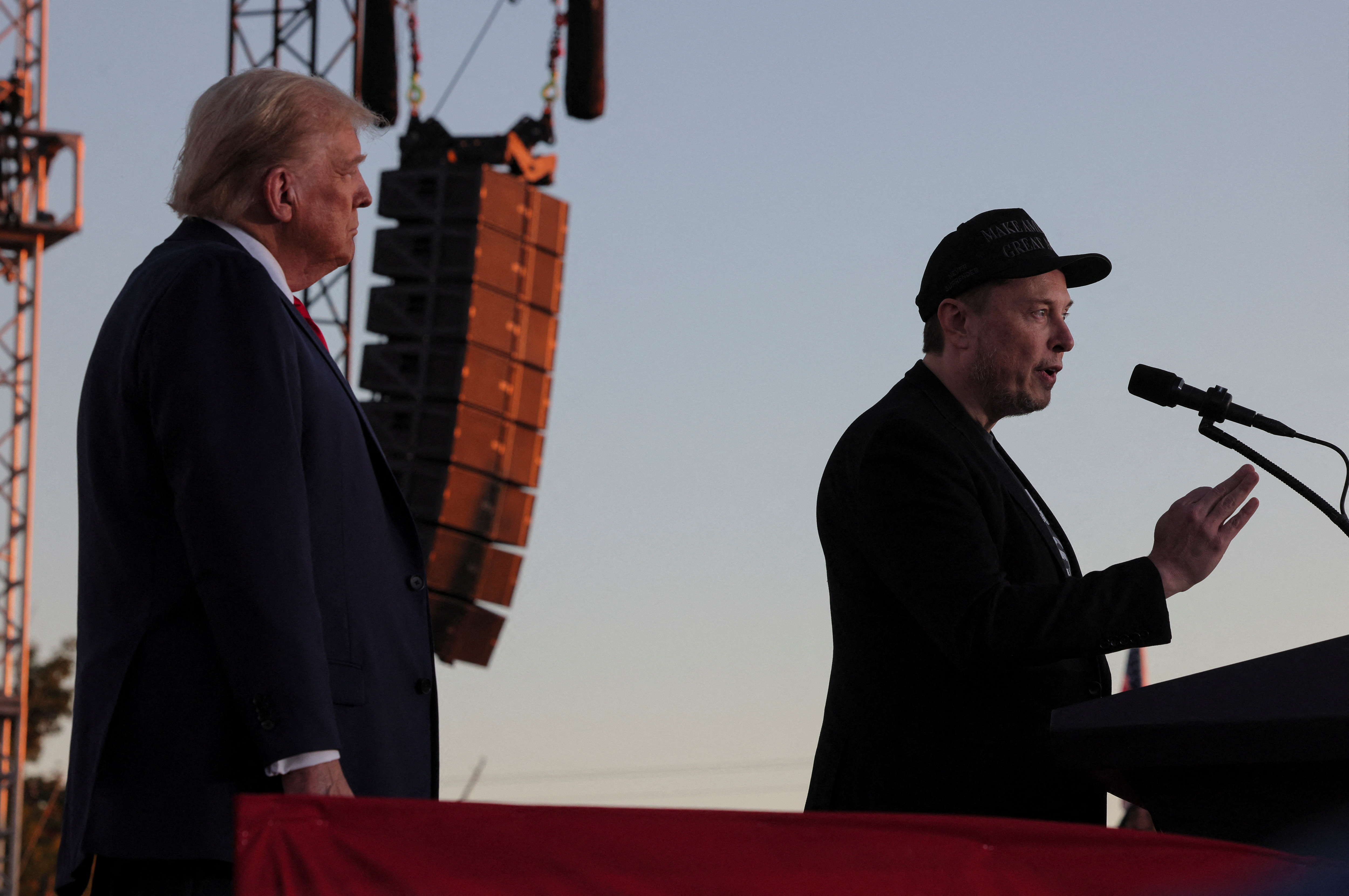
Reports reveal that when Ukrainian President Volodymyr Zelenskiy called Donald Trump to congratulate him on his recent presidential election victory, Tesla and SpaceX CEO Elon Musk joined the conversation. The call, lasting around 25 minutes on Wednesday, featured Trump expressing his support for Ukraine, though without specific details, while Musk committed to continuing Starlink satellite support, a crucial resource for Ukraine’s defense network, according to Axios.

The conversation unfolded as Zelenskiy praised Starlink’s role in maintaining internet services amid the war. Trump, reportedly at Mar-a-Lago with Musk, introduced the tech mogul to Zelenskiy, according to the Washington Post. Musk’s role in providing satellite communication through his SpaceX-owned Starlink has been vital to Ukraine’s defense operations, although Musk’s statements on the conflict have occasionally strained relations with Kyiv.

In response to the call, Zelenskiy emphasized the importance of ongoing U.S. support, sharing on the platform X (formerly Twitter) that he and Trump agreed to continue discussions. “Strong and unwavering U.S. leadership is vital for the world and for a just peace,” he added, underscoring the necessity of American involvement in Ukraine’s battle against Russian aggression.

Reports also highlighted Musk’s financial support of Trump’s campaign and Trump’s indication of offering Musk a role in promoting government efficiency if elected. Musk has not publicly commented on the call, and the Trump campaign refrained from commenting on private discussions.
 

SpaceX Launches 23 Starlink Satellites, Expanding Global High-Speed Internet Network

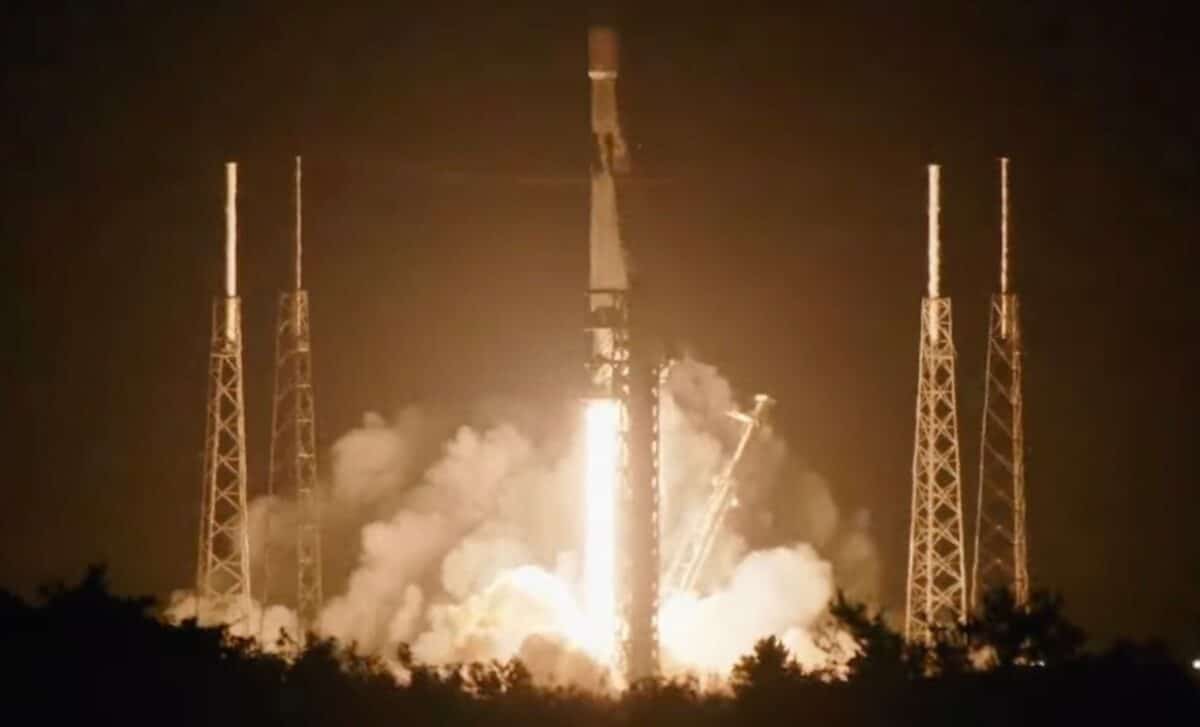
SpaceX has achieved yet another milestone in its ambitious Starlink project, successfully launching 23 additional satellites on Wednesday evening, October 23rd. The liftoff occurred at 5:47 p.m. ET from the Cape Canaveral Space Force Station in Florida, following a one-day delay due to unfavorable weather conditions. This launch is a crucial part of SpaceX’s ongoing mission to expand its global satellite-based internet coverage, aiming to provide high-speed connectivity to even the most remote areas of the world.

The launch vehicle, a Falcon 9 rocket, once again showcased SpaceX’s engineering prowess and reusability strategy. After propelling the Starlink satellites into low Earth orbit, the rocket’s first stage executed a flawless return, landing on the drone ship “A Shortfall of Gravitas” stationed in the Atlantic Ocean. This landing occurred roughly eight minutes post-liftoff, demonstrating the reliability of SpaceX’s booster recovery system. Impressively, this flight marked the 18th successful mission for this particular Falcon 9 booster, emphasizing the company’s ability to recycle and reuse hardware, a critical factor in making space exploration more cost-effective and sustainable.

The mission represents another significant step forward for the Starlink constellation. After the successful separation of the Falcon 9’s first stage, the upper stage continued its journey, placing the 23 satellites in their designated orbit. Deployment of these satellites is anticipated to occur approximately 65 minutes after launch, adding to the ever-expanding Starlink network. With each launch, SpaceX inches closer to its goal of providing widespread global internet coverage, a vision that is gradually becoming a reality as the number of operational satellites increases.

Astrophysicist Jonathan McDowell, who frequently monitors and reports on satellite activities, estimates that SpaceX now has over 6,400 Starlink satellites in orbit. This rapidly growing megaconstellation aims to bridge digital divides and bring reliable internet to regions where traditional connectivity options are limited or nonexistent. As SpaceX continues to launch more satellites and improve the capabilities of Starlink, the company is poised to transform global communications, providing new opportunities and enhancing connectivity for millions worldwide.

Government Rules Against Satellite Spectrum Auction; Elon Musk Praises the Move

On Tuesday, the government announced its decision to allocate spectrum for satellite broadband services through administrative means rather than an auction process. This announcement came just hours after Elon Musk publicly criticized the auction approach proposed by rival billionaire Mukesh Ambani, calling it “unprecedented.” The decision has sparked considerable discussion regarding the future of satellite broadband in India, a market projected to grow by 36% annually, potentially reaching $1.9 billion by 2030.

The spectrum allocation methodology has been a contentious issue, particularly given the fierce competition between the two billionaires and their respective ventures. Musk’s Starlink has been vocal about the benefits of administrative allotment, positioning it as part of a broader global trend towards simplifying access to satellite services. Starlink argues that this approach would allow for a faster rollout of satellite broadband, enabling more consumers to benefit from the technology without the delays often associated with auction processes.

On the other hand, Reliance, under Ambani’s leadership, contends that an auction is essential to establish a level playing field in the burgeoning satellite broadband sector. Reliance argues that current Indian laws do not adequately address how individuals can obtain satellite broadband services, making an auction necessary to ensure fair competition among providers. This divergence in opinion reflects deeper strategic differences in how each company envisions the future of satellite internet in India.

As the debate continues, the implications of this decision could significantly impact the landscape of satellite broadband in India. With Musk’s backing of the administrative process, there is potential for accelerated deployment of services by Starlink, while Reliance’s push for auction-based allocation raises questions about the feasibility of equitable access to this technology. The outcome of this rivalry not only shapes the competitive dynamics between these tech giants but also determines how satellite internet will evolve in a market eager for growth and innovation.