Yazılar

Tim Kuniskis Rejoins Stellantis to Lead Ram Brand After CEO’s Exit

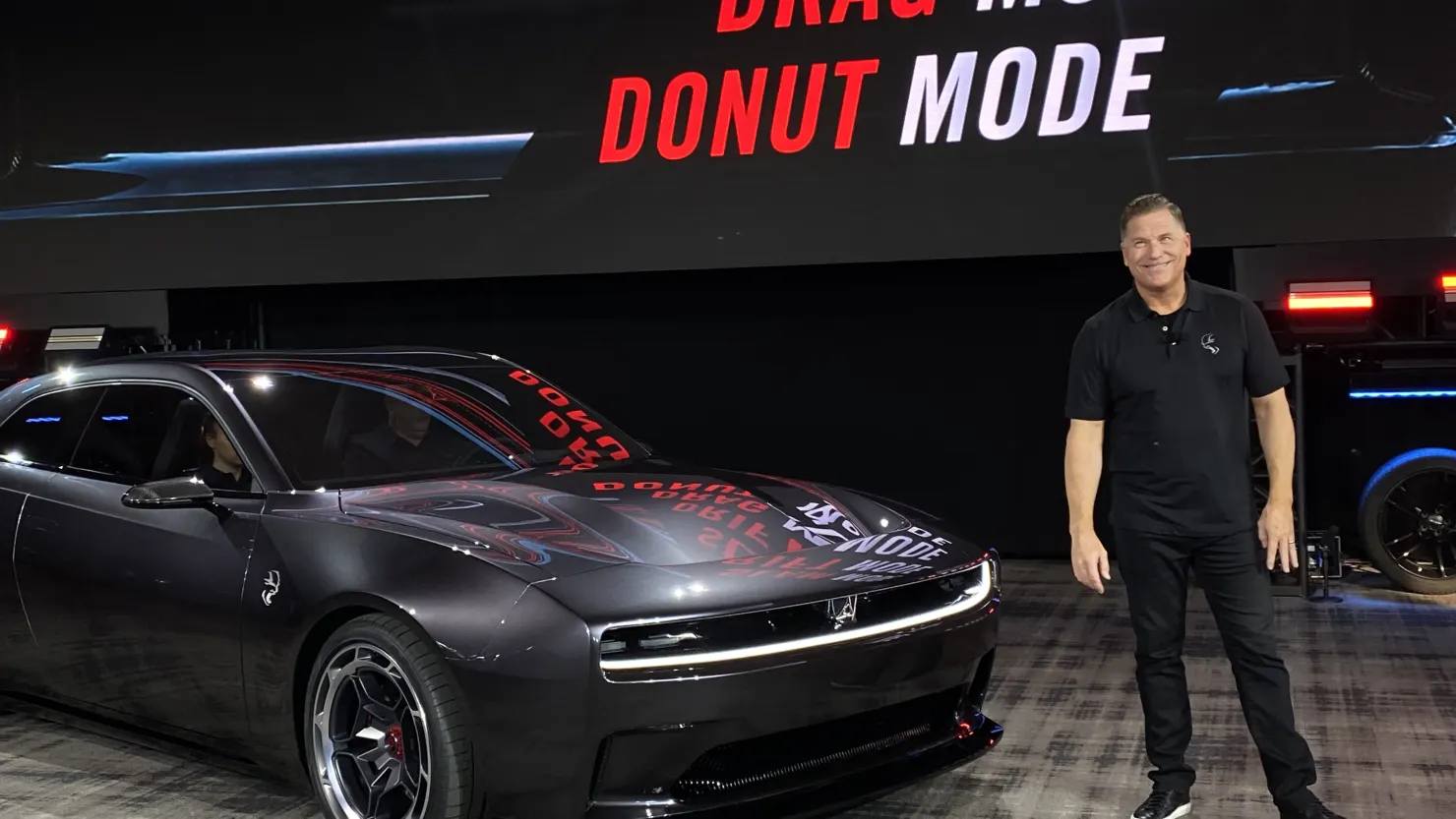
Tim Kuniskis, a prominent Stellantis executive, is returning to the automaker with immediate effect, CNBC has confirmed. Kuniskis, who retired in May, will resume leadership of the Ram Trucks brand, according to sources familiar with the decision. The announcement, which was shared with Stellantis employees on Monday, follows the unexpected resignation of CEO Carlos Tavares just a week earlier, amid challenges in the company’s North American market.

In a statement, Stellantis emphasized that the restructuring would help the company achieve better results in the region and capitalize on the potential of the Ram brand. The company noted that having a CEO dedicated solely to Ram would be a key part of this strategy.

Kuniskis is well-regarded for his previous leadership of the Ram and Dodge brands at Stellantis. He is especially recognized for his role in bringing the high-performance Hellcat models to Dodge, helping the brand become synonymous with American muscle cars. Kuniskis also led the introduction of the Hellcat-powered Ram TRX pickup truck, further cementing his legacy as a key figure in Stellantis’ North American operations.

His return is part of broader changes within Stellantis’ North American leadership. Chris Feuell will now oversee both Chrysler and Alfa Romeo, while Jeff Kommor will focus solely on North American sales. Meanwhile, Larry Dominique, previously in charge of Alfa Romeo for North America, is set to depart.

Kuniskis’ return to Stellantis comes at a time when the company is grappling with a decline in U.S. sales, particularly for the Ram brand, which saw a 24% drop in sales through the third quarter of 2024.
 

BYD Set to Surpass 2024 Sales Goals, Overtake Ford and Honda

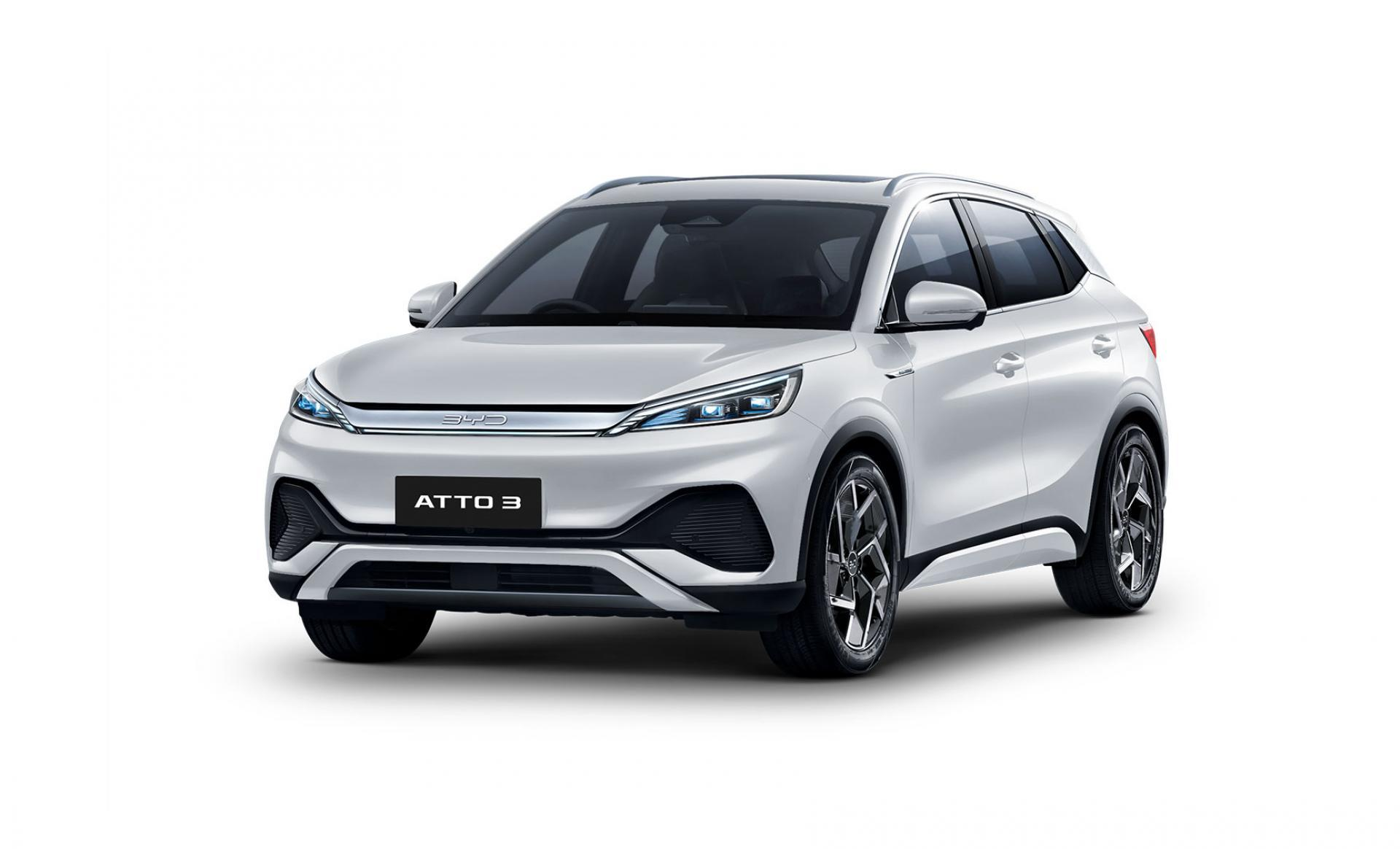
China’s leading electric vehicle (EV) maker, BYD, is poised to exceed its 2024 global sales target of 4 million vehicles, positioning it to surpass Ford and Honda in the process. The company’s growth has been bolstered by its significant market share gains in China, as well as strong sales driven by its competitive lineup of plug-in hybrid models. In the first 11 months of 2024, BYD delivered 3.76 million vehicles, including 506,804 units in November alone. This robust performance comes as China’s car sales grew at their fastest pace in 2024, supported by government-subsidized auto trade-ins.


Expansion and Market Share Gains

BYD’s impressive growth trajectory is largely fueled by an expansion in production capacity and an aggressive hiring strategy. The company added nearly 200,000 units in production capacity between August and October and hired 200,000 new employees. Its workforce now totals nearly 1 million, a sharp increase from 703,500 at the end of 2023. BYD’s market share in China stood at 17.1% as of November, a significant jump from 12.5% in 2023, according to the China Passenger Car Association.


Competitive Edge in the Price War

The company’s success is also attributed to its ability to thrive in a price war that has challenged foreign automakers. BYD has managed to maintain competitive pricing by requesting price cuts from suppliers and benefiting from its extensive scale. This strategic move has helped BYD reduce costs, outperform its rivals, and capitalize on the growing demand for electric vehicles in China.


Outpacing Rivals

BYD’s rapid growth in 2024 has allowed it to outpace traditional automakers like Ford and Honda. If current sales momentum continues, the company is on track to sell over 6 million units in the next 12 months, putting it in the same league as industry giants such as General Motors and Stellantis. The Chinese EV maker is targeting sales of 5 to 6 million vehicles in 2025, according to Citi analysts.

Stellantis and CATL to Build $4.33 Billion EV Battery Factory in Spain

Stellantis and Chinese battery manufacturer CATL have announced a joint investment of €4.1 billion ($4.33 billion) to establish a new electric vehicle (EV) battery factory in Zaragoza, Spain. The two companies will form a 50-50 joint venture and aim to start production by the end of 2026. The plant could have a production capacity of up to 50 gigawatt hours, depending on market growth and regulatory support.


Boost to European EV Battery Production

The collaboration between Stellantis and CATL is part of Europe’s efforts to reduce its reliance on Asia for EV batteries and increase its competitiveness against the United States in the race for green subsidies. The move comes as the region continues to attract battery manufacturers despite challenges such as regulatory delays, production issues, and slower-than-expected demand for electric vehicles.

In recent months, European battery makers have faced significant setbacks, with Sweden’s Northvolt filing for Chapter 11 bankruptcy after losing a major customer. However, the new Zaragoza plant represents a step forward for both companies, leveraging the region’s clean energy initiatives.


CATL’s Expansion in Europe

The Zaragoza factory will be CATL’s third European plant, following its existing facilities in Germany and Hungary. The German plant, established six years ago, has an investment of €1.8 billion, with a planned capacity of 14 gigawatt hours. The Hungarian plant, under construction, will see a €7.3 billion investment and target a much larger capacity of 100 gigawatt hours.


Stellantis’ Broader EV Strategy

Alongside its partnership with CATL, Stellantis is a major investor in the ACC battery joint venture, which also includes Mercedes and TotalEnergies. ACC has begun production in France, although the development of additional plants in Italy and Germany has faced delays due to a dip in EV demand.