Yazılar

Microsoft Shares Drop as Cloud Outlook Disappoints, Meta Gains on AI Optimism

Microsoft saw its shares tumble 6% on Thursday after its artificial intelligence (AI) investments failed to significantly boost cloud revenue. Meanwhile, Meta’s stock rose 4% as CEO Mark Zuckerberg reassured investors of strong growth potential, calling 2024 a “really big year.”

Both tech giants defended their heavy AI spending following concerns sparked by Chinese AI startup DeepSeek’s recent advancements in low-cost AI models. However, while Meta continues to show strong ad revenue growth—justifying its AI investments, according to Evercore analyst Mark Mahaney—Microsoft’s Azure cloud platform has struggled.

Microsoft missed market estimates for Azure’s quarterly revenue growth and provided a third-quarter forecast below expectations. The company had previously promised a second-half rebound, but analysts now express skepticism.

“The second-half re-acceleration story for Azure is not playing out,” said Barclays analyst Raimo Lenschow, adding that Microsoft prioritized AI workloads over core Azure functions, delaying the expected growth recovery.

For Meta, a stronger-than-expected 21% revenue increase eased investor concerns about Zuckerberg’s aggressive AI spending plans, which could reach $65 billion this year. Analysts remain bullish, with Barton Crockett of Rosenblatt stating that “Meta might have more benefits to show from AI than anyone.”

At least 15 brokerages raised their price targets on Meta, which saw a 65% stock gain in 2023, the largest among Big Tech firms. The stock’s rally was set to add over $80 billion to its market value.

Conversely, Microsoft was on track to lose about $182 billion in market capitalization. J.P. Morgan analyst Mark Murphy noted that Microsoft “did not recommit to its Azure second-half outlook the same way it did 90 days ago,” weakening confidence in the company’s cloud growth trajectory.
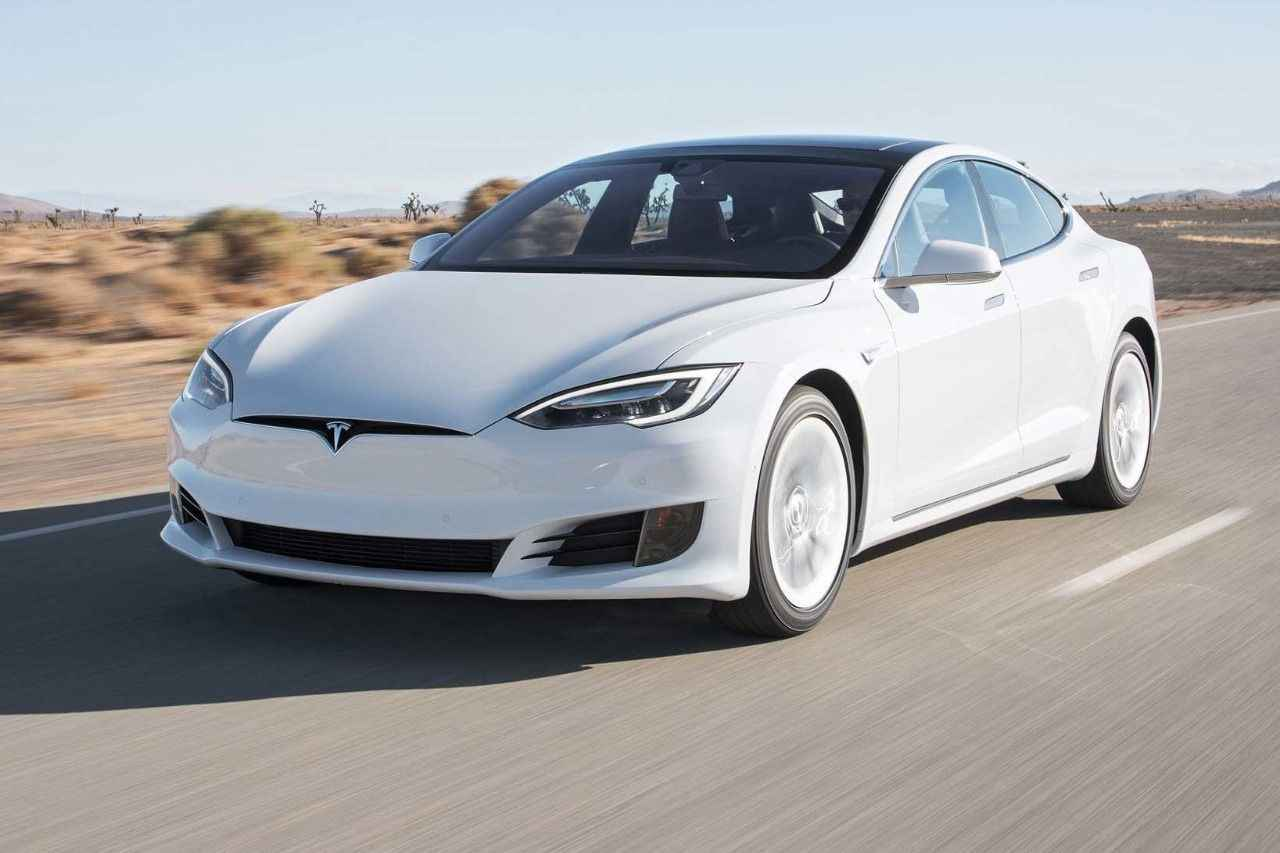
 

Tesla Shares Rise as Musk Promises Cheaper EVs and Autonomous Ride-Hailing

Tesla shares climbed more than 2% on Thursday after CEO Elon Musk announced plans to launch lower-cost electric vehicles (EVs) in the first half of 2025 and begin testing an autonomous ride-hailing service in June. These commitments helped investors look past a weaker-than-expected fourth quarter, which saw declining revenue and shrinking margins due to delayed model upgrades and rising competition.

Despite Tesla’s first annual decline in deliveries in 2024, the company assured investors that its vehicle business would return to growth in 2025. However, Tesla did not reaffirm Musk’s earlier forecast of a 20-30% sales increase for next year.

Morgan Stanley analysts noted that Tesla is shifting from being a traditional automotive company to a diversified player in AI and robotics. Investors remain optimistic, especially as Musk’s support for U.S. President Donald Trump could lead to more favorable regulatory conditions for Tesla’s robotaxi ambitions.

Musk revealed that Tesla will begin unsupervised testing of its autonomous ride-hailing service in Austin, Texas, though he did not provide specific details on how it would function. The company also did not share pricing details for its upcoming affordable EV models.

If Tesla’s stock gains hold, its market value could rise by approximately $28 billion. The stock surged 62.5% in 2024 and is currently trading at 118 times its 12-month forward earnings, significantly higher than Ford (6.07) and General Motors (4.48).

At least 19 brokerages have raised their price targets for Tesla stock, with a median target of $300, up from $278 at the end of December. Analysts believe that Tesla’s growth will be fueled by Full Self-Driving technology and the introduction of an affordable EV. However, some experts remain cautious about Musk’s timeline for launching robotaxis, citing regulatory challenges, particularly in Europe and China.

Tesla also announced an increase in its capital expenditure forecast, expecting to spend over $11 billion in 2025 and the following two fiscal years.


Corning Forecasts Strong Q1 Results Amid AI Infrastructure Demand

Corning (GLW.N) has projected first-quarter revenue and profit above Wall Street estimates, driven by robust demand for optical fiber products essential for AI infrastructure.

Key Highlights:

  • AI-Driven Growth:
    • Increased adoption of AI technologies fuels demand for optical fiber used in high-speed data transfer.
  • Government Support & Infrastructure Expansion:
    • Corning is expected to benefit from the $500-billion Stargate project, aimed at expanding network connectivity.
  • Financial Performance:
    • Q1 Revenue Forecast: $3.60 billion (vs. analyst estimate of $3.53 billion).
    • Q1 Profit Forecast: $0.48-$0.52 per share (midpoint above expected $0.48).
    • Q4 Revenue: $3.87 billion (beating $3.76 billion estimate).
    • Q4 Profit: $0.57 per share (vs. expected $0.56).
  • Segment Performance (Q4 2023):
    • Optical Communications Revenue: $1.37 billion (exceeding $1.29 billion estimate).
    • Display Technologies Revenue: $971 million (slightly below expected $976.7 million).
  • Market Reaction:
    • Shares rose 5.6% in premarket trading after the announcement.

Corning’s outlook underscores its strong position in AI-driven infrastructure, particularly in telecom and high-speed data transmission.