Yazılar

Berkshire Halves Apple Stake, Boosts Cash to $277 Billion as it Gets ‘Defensive’

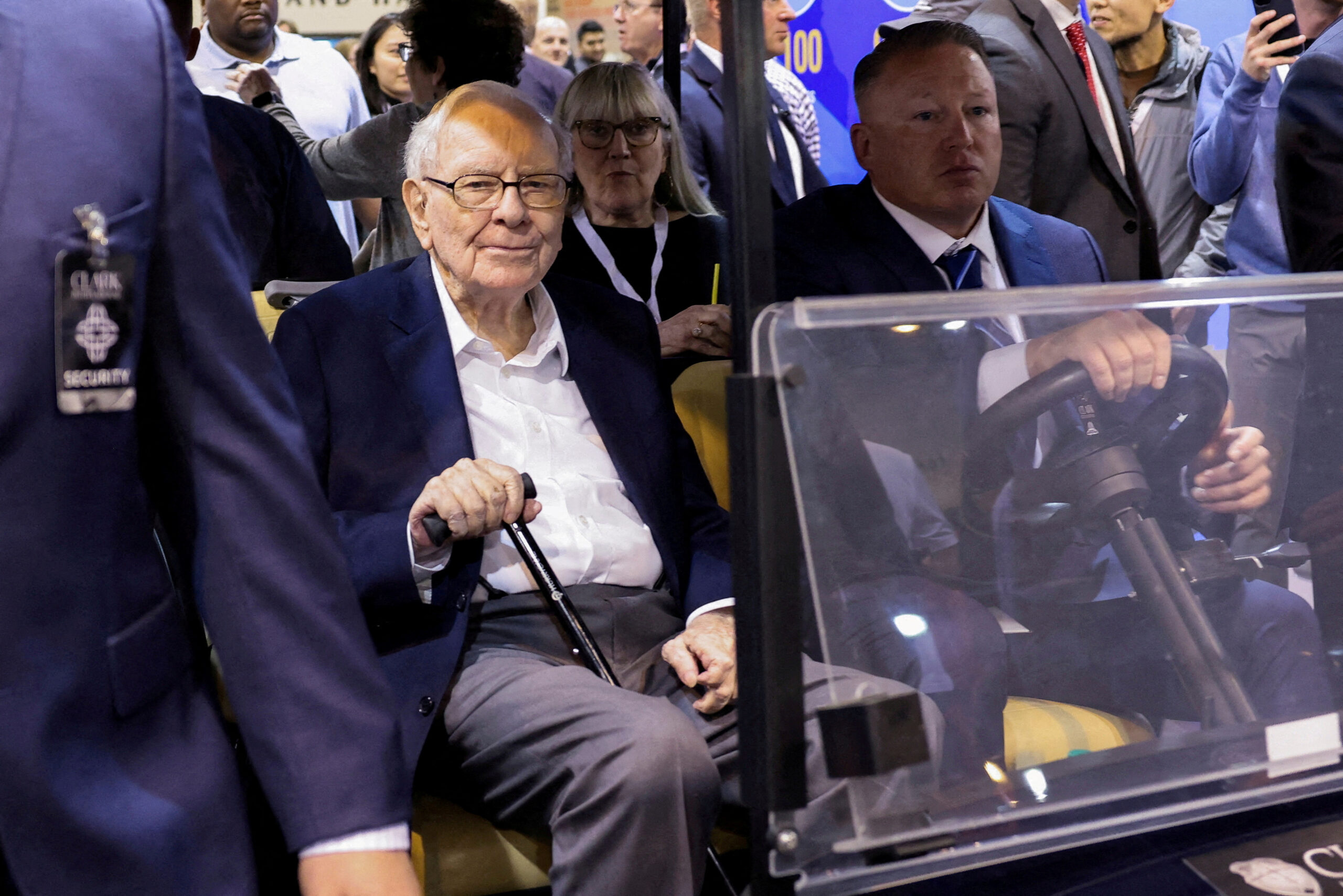
Warren Buffett’s Berkshire Hathaway has significantly increased its cash reserves to nearly $277 billion, while also selling about half of its stake in Apple. This move suggests that Buffett, at 93 years old, is becoming cautious about the broader U.S. economy and potentially overvalued stock market. The company’s results were released after a global stock market selloff, with the Nasdaq entering correction territory and a weak jobs report raising concerns about U.S. economic activity.

Cathy Seifert, an analyst at CFRA Research, interprets Berkshire’s actions as defensive, highlighting the conglomerate’s growing cash stake and reduced stock investments. As of June 30, Berkshire’s cash reserves increased from $189 billion three months earlier, largely due to selling $75.5 billion worth of stocks. Notably, Berkshire sold around 390 million Apple shares in the second quarter, on top of 115 million sold earlier in the year, as Apple’s stock price increased by 23%. Despite these sales, Berkshire still owns about 400 million Apple shares valued at $84.2 billion.

This marked the seventh consecutive quarter in which Berkshire sold more stocks than it purchased. Additionally, Berkshire repurchased only $345 million of its own stock, down significantly from $2.57 billion in the first quarter. Jim Shanahan, an analyst at Edward Jones, noted that Buffett’s reluctance to invest in publicly traded stocks, including Berkshire’s own, raises concerns about his outlook on the markets and economy.

Financial Performance and Strategic Moves

Berkshire’s second-quarter profit from its diverse businesses increased by 15% to $11.6 billion, with substantial contributions from its insurance businesses, including Geico. However, overall revenue saw only a modest 1% rise to $93.65 billion, with notable declines in sectors such as auto dealerships and the Pilot truck stop chain.

The conglomerate’s earnings were buoyed by short-term Treasury returns, which might decline once rate cuts begin. Shanahan suggested that revenue challenges could make it difficult for Berkshire to sustain earnings growth into 2025. Quarterly net income fell 15% to $30.34 billion due to stock price fluctuations affecting Berkshire’s investment values.

Buffett has consistently advised shareholders to disregard quarterly investment gains and losses due to their volatility. Despite substantial cash reserves, Berkshire often accumulates cash when it cannot find attractive investment opportunities. Since mid-July, the company has also sold over $3.8 billion in Bank of America shares, its second-largest stock holding.

Buffett emphasized the importance of making low-risk investments with potential for significant returns. He expects Apple to remain Berkshire’s largest stock investment, although selling shares made sense to mitigate tax implications.

Impact on Key Businesses

Berkshire’s second-quarter results showed mixed performance across its various sectors. Profit at BNSF railroad declined by 3%, affected by legal expenses despite lower operating costs and increased shipping volumes. Berkshire Hathaway Energy’s profit fell by 17%, partly due to lawsuits against its PacifiCorp utility unit, which is blamed for causing wildfires in Oregon in 2020.

Despite these challenges, Berkshire’s Class A shares have performed well, closing at $641,435 on Friday, up 18% for the year, compared to a 12% increase in the S&P 500. As Buffett approaches 60 years of leading Berkshire, Vice Chairman Greg Abel is anticipated to succeed him as CEO.

Global Stock Traders Face Dip-Buying Dilemma After Crushing Selloff

A massive selloff has unsettled global equity markets, leaving investors uncertain about buying stocks at lower prices. Concerns over the U.S. economy and disappointing tech earnings have cast a shadow over the outlook, potentially leading to further losses. Last week, the S&P 500 dropped nearly 6% from its July peak, while the tech-heavy Nasdaq Composite experienced its first 10% correction since early 2022. Markets in Europe and Asia also plummeted, with Japan’s Nikkei index losing almost 5%.

Investors now face a dilemma: whether to buy during this dip or hold off amid recession fears. Historically, the S&P 500 has fallen an average of 29% during recessions, according to Truist Advisory Services. Additionally, Warren Buffett’s Berkshire Hathaway reported selling half its stake in Apple and increasing its cash reserves, signaling caution.

Mark Travis, portfolio manager at Intrepid Capital, noted that investors are reassessing risks due to high valuations. Despite a strong year driven by AI technology and a resilient economy, the recent selloff has dampened risk appetite. Concerns that the Federal Reserve might be delaying interest rate cuts have led traders to move from high-valued stocks to safer investments like U.S. government bonds.

Some investors, however, view the selloff as a temporary setback and are considering buying opportunities. The S&P 500 and Nasdaq are still up around 12% year-to-date, with Nvidia showing significant gains despite recent declines. Economists found positives in the latest jobs report, and some tech companies, including Apple and Meta Platforms, delivered strong earnings.

Nevertheless, stock valuations remain high by historical standards, potentially leading to further selling. The S&P 500’s valuation has decreased slightly but remains above its long-term average. Market strategist Art Hogan highlighted the market’s tendency to overreact to economic normalization signs, potentially leading to profit-taking.

With limited major economic data releases until mid-August, markets may remain volatile. The Cboe Volatility Index, known as Wall Street’s fear gauge, reached its highest level since March 2023, indicating increased demand for options protection. Additionally, the yield on the benchmark 10-year U.S. Treasury dropped significantly, reflecting expectations of future rate cuts and investor caution.