Yazılar

U.S. Jobless Claims Drop, Easing Recession Fears

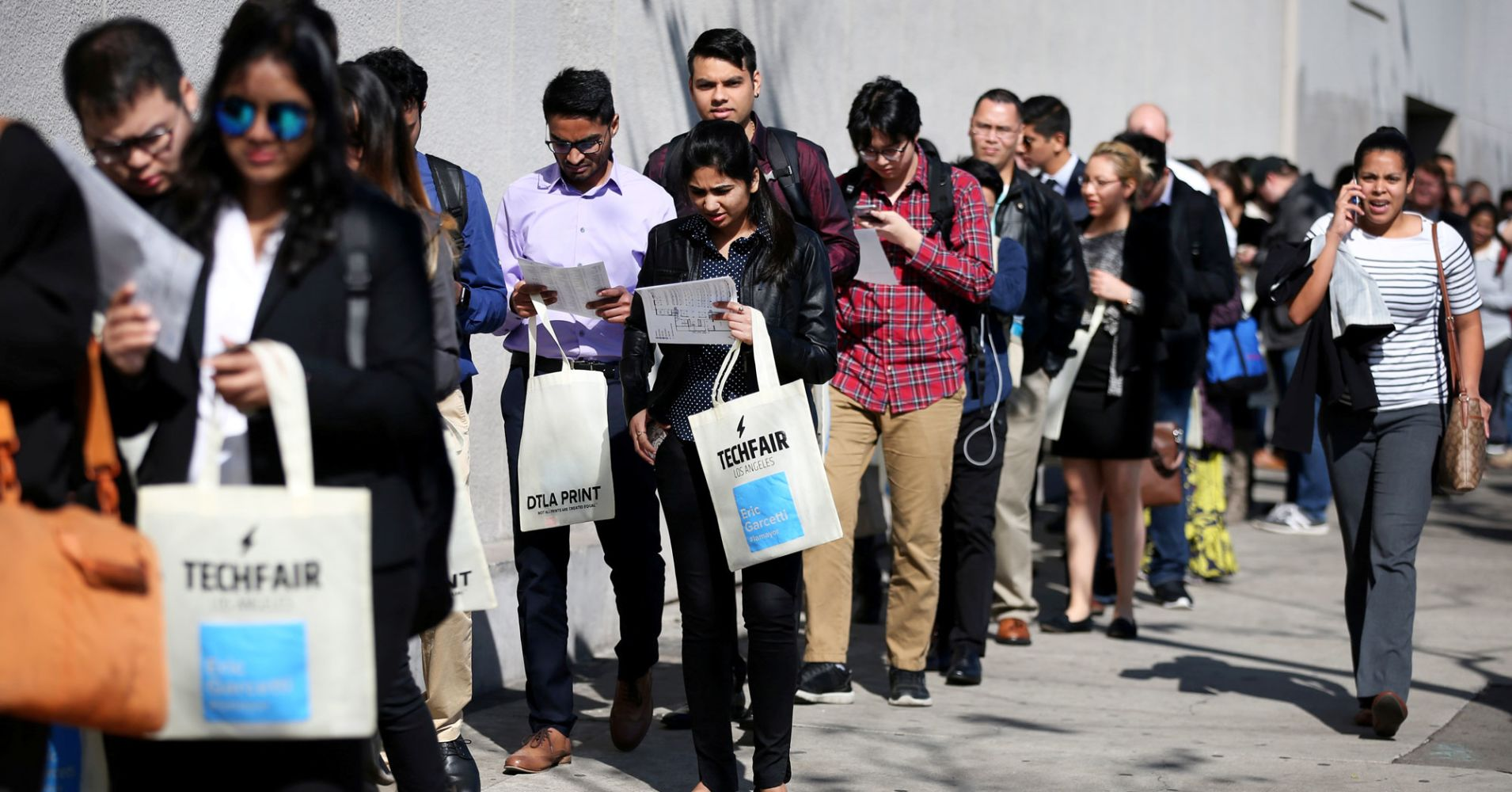
The number of Americans filing for unemployment benefits dropped more than expected last week, calming fears of a rapidly deteriorating labor market and reinforcing a narrative of gradual economic softening. The Labor Department reported a decrease of 17,000 claims, bringing the total to a seasonally adjusted 233,000 for the week ending August 3rd, marking the largest decline in 11 months. Economists had anticipated 240,000 claims, making the actual figure a welcome surprise after last week’s sharp increase.

This decline is likely influenced by the waning impact of temporary motor vehicle plant shutdowns and Hurricane Beryl, which had previously inflated the jobless claims figures. The revised figure for the prior week was adjusted slightly upward to 250,000.

The positive data bolstered U.S. stock markets, with major indexes rising and benchmark Treasury yields climbing back above 4%. The U.S. dollar also strengthened against a basket of currencies, reflecting renewed investor confidence. Marc Chandler, Chief Market Strategist at Bannockburn Global Forex, remarked that concerns of an imminent recession now seem “wide of the mark.”

Investors reacted by reducing bets that the Federal Reserve would implement a significant 50-basis-point rate cut next month, with the probability falling to 58% from 70% prior to the report. Despite a recent upward trend in claims since June, partly due to auto plant retooling and weather disruptions, layoffs remain low. This suggests that the labor market is stabilizing, albeit at a slower pace, as the economy adjusts to the Federal Reserve’s rate hikes in 2022 and 2023.

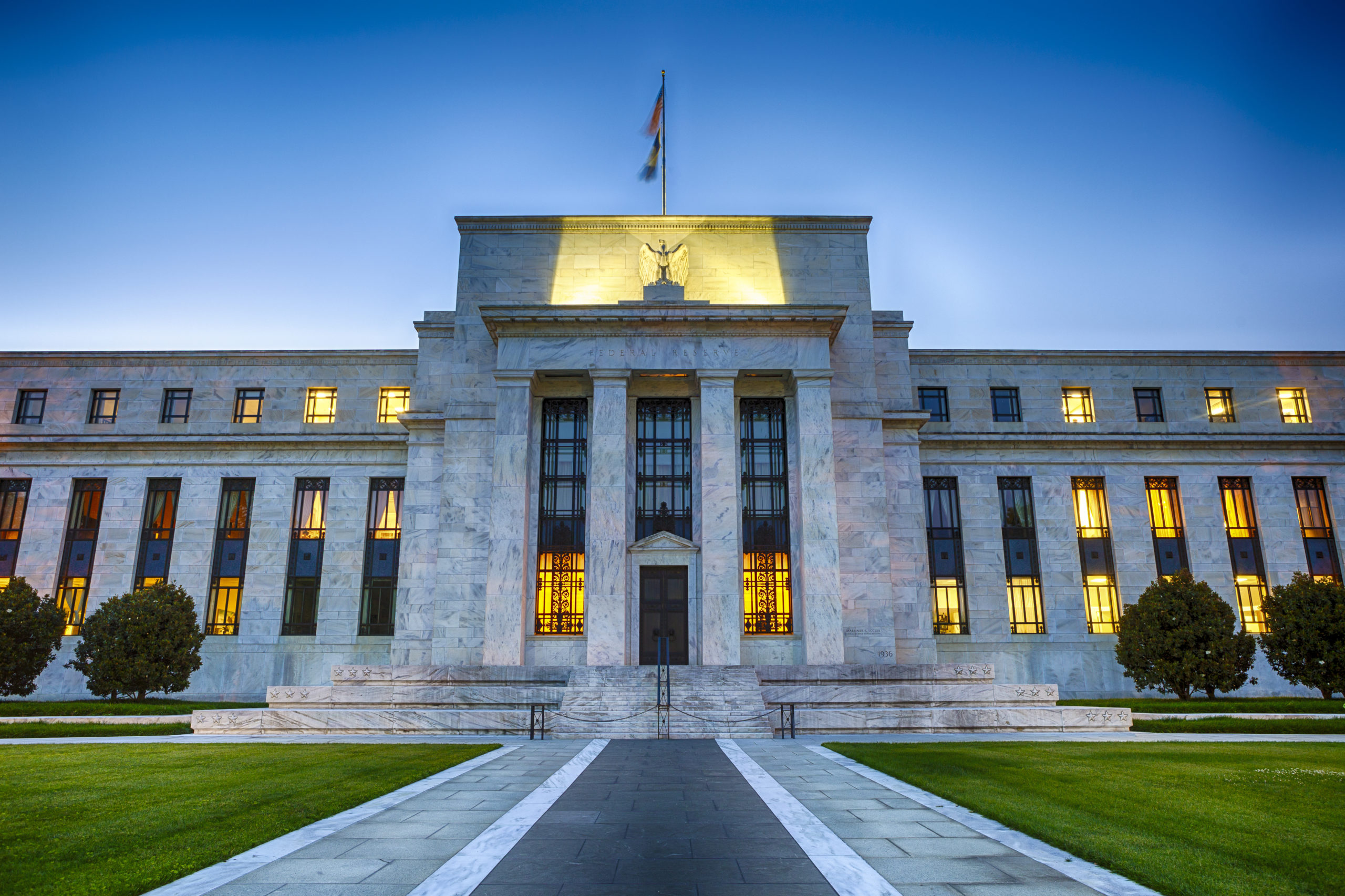
The Fed, which left its benchmark interest rate unchanged at its last meeting, is closely monitoring the labor market for signs of stress. While the recent nonfarm payrolls report indicated a slowdown in job gains and a rise in unemployment to 4.3%, the overall labor force growth has kept pace with the gradual rise in jobless claims, maintaining stability.

In other economic news, U.S. wholesale inventories increased in June, contributing positively to economic growth in the second quarter. The Commerce Department reported a 0.2% rise in inventories, in line with expectations, and a continuation of growth after a similar increase in May. This, coupled with a slight decrease in the U.S. 30-year mortgage rate to 6.47%, provided further relief in the housing market, which has been struggling under high interest rates.


Merck Shares Fall 9% Despite Earnings Beat and Strong Demand for Key Drugs

Merck reported second-quarter revenue and adjusted earnings that exceeded Wall Street’s expectations, driven by strong sales from its blockbuster cancer drug Keytruda and other treatments in its oncology and vaccines portfolios, as well as a newly launched cardiovascular drug. Despite this, Merck’s shares fell by 9% due to lighter-than-expected sales of Gardasil, a vaccine for HPV, exacerbated by shipment issues in China.

Merck raised its full-year sales forecast to $63.4 billion to $64.4 billion, slightly up from its previous guidance of $63.1 billion to $64.3 billion. However, it lowered its adjusted profit guidance to a range of $7.94 to $8.04 per share, down from $8.53 to $8.65 per share, reflecting one-time charges for its acquisitions of Harpoon Therapeutics and EyeBio.

For the second quarter, Merck reported adjusted earnings per share of $2.28, surpassing the expected $2.15, and revenue of $16.11 billion, above the anticipated $15.84 billion. The company posted a net income of $5.46 billion, or $2.14 per share, compared to a net loss of $5.98 billion, or $2.35 per share, in the same period last year.

Keytruda recorded $7.27 billion in revenue, up 16% year-over-year, driven by higher uptake for earlier-stage cancers and strong demand for metastatic cancers. Gardasil sales increased by only 1% to $2.48 billion due to shipment timing issues in China. Winrevair, approved in March for treating a progressive lung condition, posted $70 million in revenue, while Capvaxive, a newly approved pneumococcal vaccine, is expected to drive future growth.

Merck’s pharmaceutical division saw a 7% increase in revenue to $14.41 billion. The company’s Type 2 diabetes treatment, Januvia, faced a 27% decline in sales to $629 million due to lower demand, prices, and generic competition. Sales of Merck’s Covid antiviral pill, Lagevrio, fell by 46% to $110 million but still exceeded expectations.

Merck’s animal health division reported $1.48 billion in sales, up 2% from the previous year, but slightly below analyst expectations. Despite strong overall performance, investor concerns about Gardasil sales and future challenges in the pharmaceutical landscape influenced the decline in Merck’s stock.

23andMe CEO Anne Wojcicki Proposes to Take Company Private as Stock Plummets

Anne Wojcicki, CEO of 23andMe, has submitted a proposal to take the genetic testing company private, as its stock price remains below $1. In a filing with the U.S. Securities and Exchange Commission on Wednesday, Wojcicki offered to buy all outstanding shares of 23andMe’s common stock for 40 cents per share in cash. This proposed price represents an 11% premium to the company’s closing stock price in April.

Wojcicki, who co-founded 23andMe in 2006, initially expressed interest in acquiring the company in April, stating that she would not support any alternative transaction. She aims to complete the transaction “as promptly as possible,” according to the filing. On Wednesday, shares of 23andMe closed at 40 cents.

23andMe, known for its at-home DNA testing kits that provide customers with insights into their ancestry and genetic profiles, went public in 2021 through a merger with a special purpose acquisition company (SPAC), valuing it at approximately $3.5 billion. However, the company has struggled to maintain steady revenue, as customers only need to use its DNA testing product once. Since its public debut, the stock has declined by over 95%.

Wojcicki believes that taking 23andMe private will better equip the company to focus on its long-term mission without the short-term pressures of the public markets. In November, the company received a deficiency letter from the Nasdaq Listing Qualifications Department, giving it 180 days to bring its share price back above $1. In response, 23andMe’s board formed a “Special Committee” in late March to explore options to improve the stock price.

The Special Committee will need to approve or reject Wojcicki’s proposal to take the company private.