
Yazılar

Meta Launches “Meta Compute” to Scale AI Infrastructure and Power Superintelligence Push

Meta has unveiled a new initiative called Meta Compute, aimed at building large-scale artificial intelligence infrastructure and managing the company’s global network of data centres and supplier partnerships as it pursues what it calls superintelligence.

Chief Executive Mark Zuckerberg said the initiative will be co-led by Santosh Janardhan, Meta’s head of global infrastructure, and Daniel Gross. Janardhan will continue overseeing Meta’s technical foundations and data centre operations, while Gross will head a newly created group responsible for strategic capacity planning and business partnerships.

Both executives will work closely with Dina Powell McCormick, who recently joined Meta’s leadership team, Zuckerberg said in a post on Threads.

Meta Compute sits at the core of Meta’s aggressive push into frontier AI and so-called personal superintelligence—a theoretical stage where machines surpass human cognitive abilities. Zuckerberg said the company is investing heavily in data centres and the energy systems required to run them, noting that Meta plans to build “tens of gigawatts” of capacity this decade and potentially “hundreds of gigawatts or more” over the longer term.

Inside the world's most powerful AI datacenter - The Official ...

Such computing ambitions would consume electricity on the scale of small cities or even countries, raising concerns about pressure on resources such as power and water. The move comes as Meta seeks to regain momentum in the competitive AI race following a lukewarm response to its Llama 4 model. The company has committed up to $72 billion in capital expenditure in 2025 alone.

Across the tech sector, rising AI workloads are driving a surge in U.S. power demand for the first time in two decades. To secure long-term energy supplies, Meta has signed 20-year agreements to purchase electricity from nuclear plants operated by Vistra and has partnered with two companies developing small modular nuclear reactors.
Microsoft Forms New Team to Develop ‘Humanist’ Superintelligence, Says AI Chief

Microsoft’s Vision for Humanist Superintelligence: A People-Centric Future for AI

Microsoft has announced its ambitious goal to build what it calls a “humanist superintelligence” — an advanced form of artificial intelligence that serves humanity’s best interests. The company envisions this next-generation AI as one that “always works for, and in service of, people and humanity more generally.” The declaration comes amid an intensifying race toward achieving artificial general intelligence (AGI), with tech giants like Google, OpenAI, and Meta all vying for leadership in the space. Yet, Microsoft stresses that while the competition for capability continues, there must also be a global discussion about the kind of AI future society truly wants.

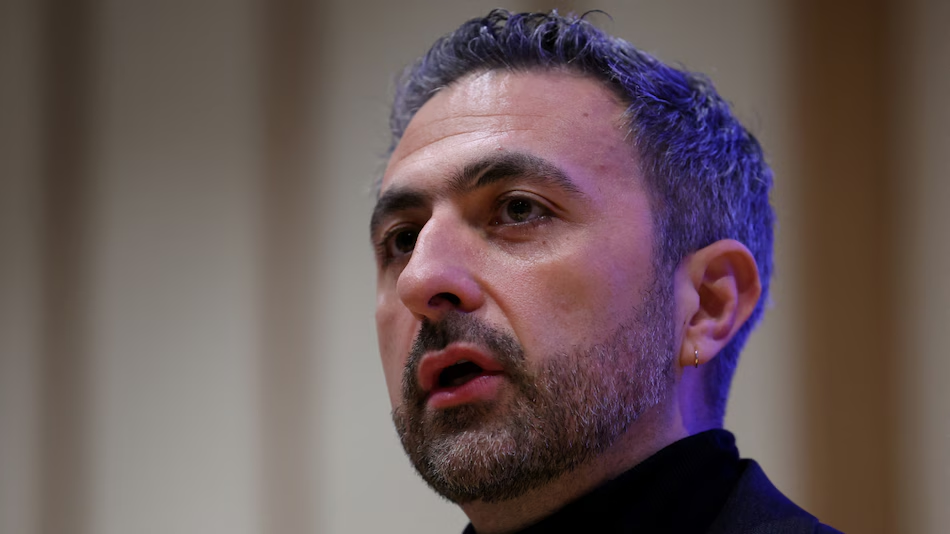
In a detailed blog post, Mustafa Suleyman, the CEO of Microsoft AI, emphasized that defining the purpose and boundaries of superintelligence should be a priority before the technology reaches maturity. He noted that the industry has already crossed an inflection point with the rise of “reasoning models” — AI systems capable of complex problem-solving and contextual understanding. According to Suleyman, this shift marks a crucial moment to set ethical and practical frameworks that ensure AI remains beneficial and controllable.

Suleyman further explained that Microsoft does not aim to create an “unbounded and unlimited entity with high degrees of autonomy.” Instead, the company seeks to develop systems that are “carefully calibrated, contextualized, and within limits.” This human-centered approach reflects Microsoft’s long-standing stance on responsible AI development, where transparency, accountability, and safety are integral to innovation.

Ultimately, the company’s vision of humanist superintelligence is rooted in empowering people rather than replacing them. Microsoft wants its AI to amplify human potential, helping address global challenges such as climate change, healthcare disparities, and education gaps. By focusing on a humanist framework, the tech giant hopes to ensure that the dawn of superintelligence strengthens — rather than disrupts — the foundations of human progress.

Meta unveils smart glasses with built-in display, pushing toward “superintelligence”

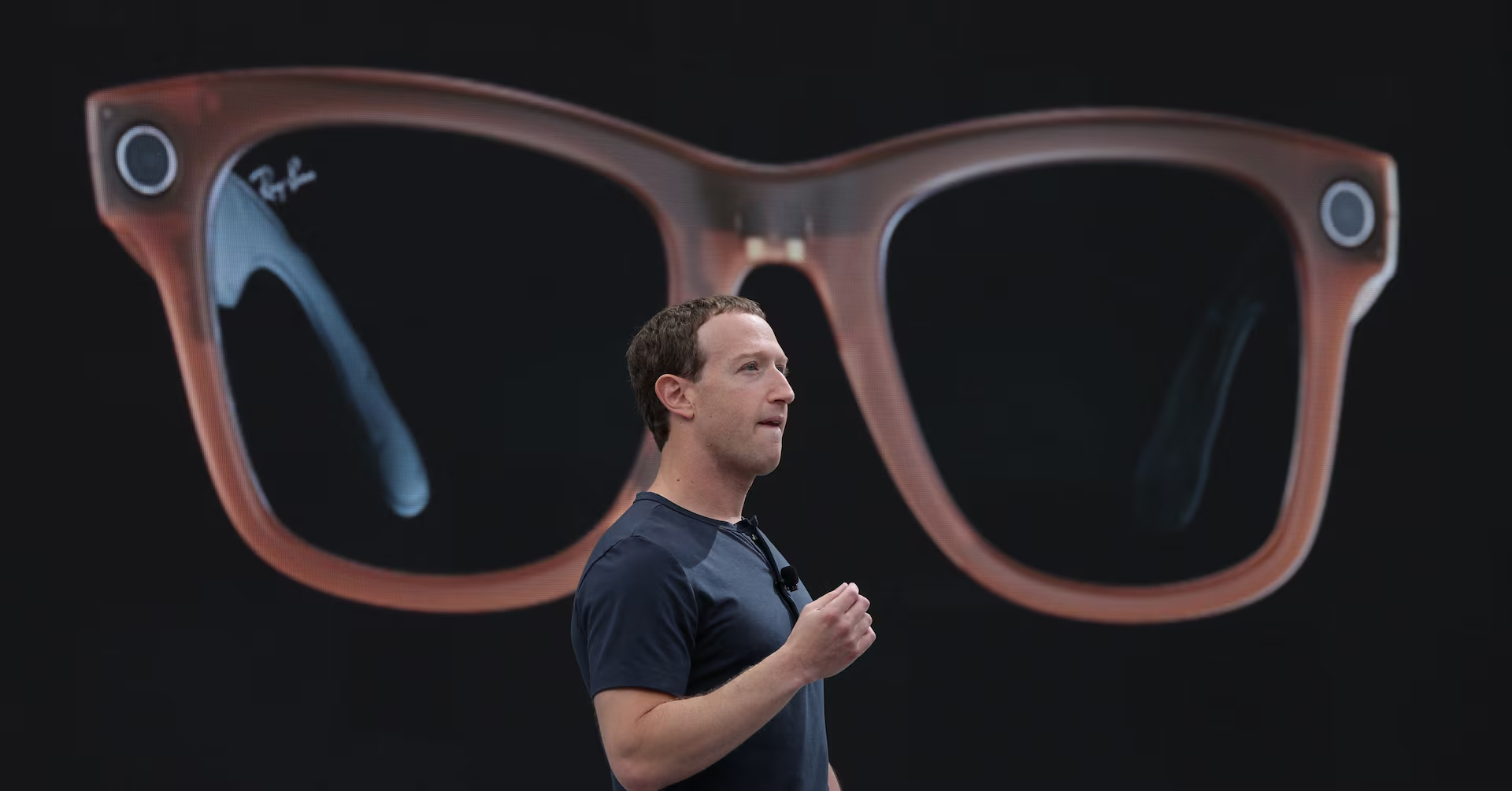
Meta Platforms introduced its first consumer-ready smart glasses with a built-in digital display at its annual Connect event in Menlo Park, California. CEO Mark Zuckerberg pitched the new Meta Ray-Ban Display glasses as the ideal gateway to the AI-powered “superintelligence” era, saying they can enhance communication, memory, and senses while allowing users to stay present in the real world.

The glasses feature a small digital screen in the right lens for notifications and basic tasks. Priced at $799, they will launch on September 30 and come with a wristband that translates hand gestures into commands such as answering calls or replying to texts. Despite some glitches during the demo, the product received applause from the developer audience.

Meta also launched Oakley Vanguard sports glasses for $499, designed for athletes with Garmin and Strava integration, nine hours of battery life, and real-time workout feedback. In addition, Meta refreshed its earlier Ray-Ban line with improved cameras and nearly double the battery life, now priced at $379.

Industry analysts remain cautious. While the Display glasses may not achieve strong immediate sales, they see the launch as an incremental step toward Meta’s more ambitious “Orion” glasses, targeted for 2027. Analysts compared the debut to Apple’s rollout of the smartwatch, suggesting glasses could evolve into an everyday alternative to the smartphone if Meta proves their value.

The unveiling comes amid Meta’s aggressive AI investments and recruitment push, but also at a time of heightened scrutiny over child safety on its platforms and past controversies around VR’s effects on younger users.

IDC forecasts AR/VR headsets and smart glasses shipments to rise nearly 40% in 2025, with Meta expected to drive growth—particularly through the more affordable Ray-Ban line co-developed with EssilorLuxottica.