Yazılar

Jaguar Land Rover extends cyberattack shutdown to four weeks, costing £50m per week

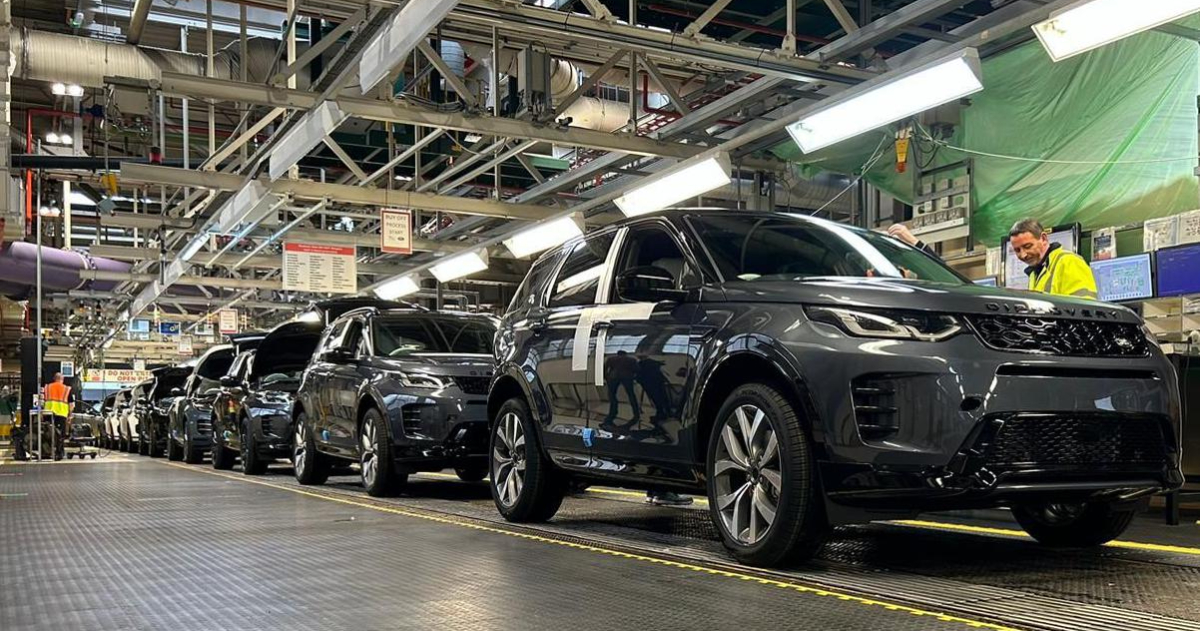
Jaguar Land Rover (JLR), Britain’s largest carmaker, said it will keep its factories closed until October 1 following a cyberattack earlier this month that has paralyzed operations and rippled across the automotive supply chain. The shutdown, now stretching to four weeks, is costing the Tata Motors-owned luxury carmaker about £50 million ($68 million) per week, according to the BBC.

JLR runs three UK factories producing around 1,000 vehicles a day, including the popular Range Rover and Defender models. The outage has forced many of its 33,000 employees to stay home, while smaller suppliers are also struggling to cope with the disruption.

Adding to the fallout, industry sources told The Insurer that JLR was left without direct cyber insurance coverage, having failed to finalize a deal brokered by Lockton before the attack. The company has declined to comment on its insurance position or on who may be behind the breach.

Government ministers, including Peter Kyle and Chris McDonald, visited JLR on Tuesday to discuss recovery plans. McDonald said the government’s top priorities are “helping Jaguar Land Rover get back up and running as soon as possible and the long-term health of the supply chain.”

The shutdown underscores the UK’s broader vulnerability to ransomware and cyberattacks, which have recently hit major retailers like Marks & Spencer and Co-op, and even disrupted airport check-in systems across Europe. Official figures show more than 40% of UK businesses reported some form of cyber breach in the past year.

S&P Global’s latest survey shows JLR’s stoppage is already weighing on UK manufacturing output. With JLR’s supply chain supporting over 104,000 jobs, the Unite union has warned of potential layoffs and urged government support to protect workers and suppliers.

JLR said it is working on a phased restart plan, though the investigation into the attack continues. “We have made this decision to give clarity for the coming week,” the company said, stressing its focus on minimizing disruption to staff and partners.

UK monitors supply chain risks after Jaguar Land Rover cyberattack halts production

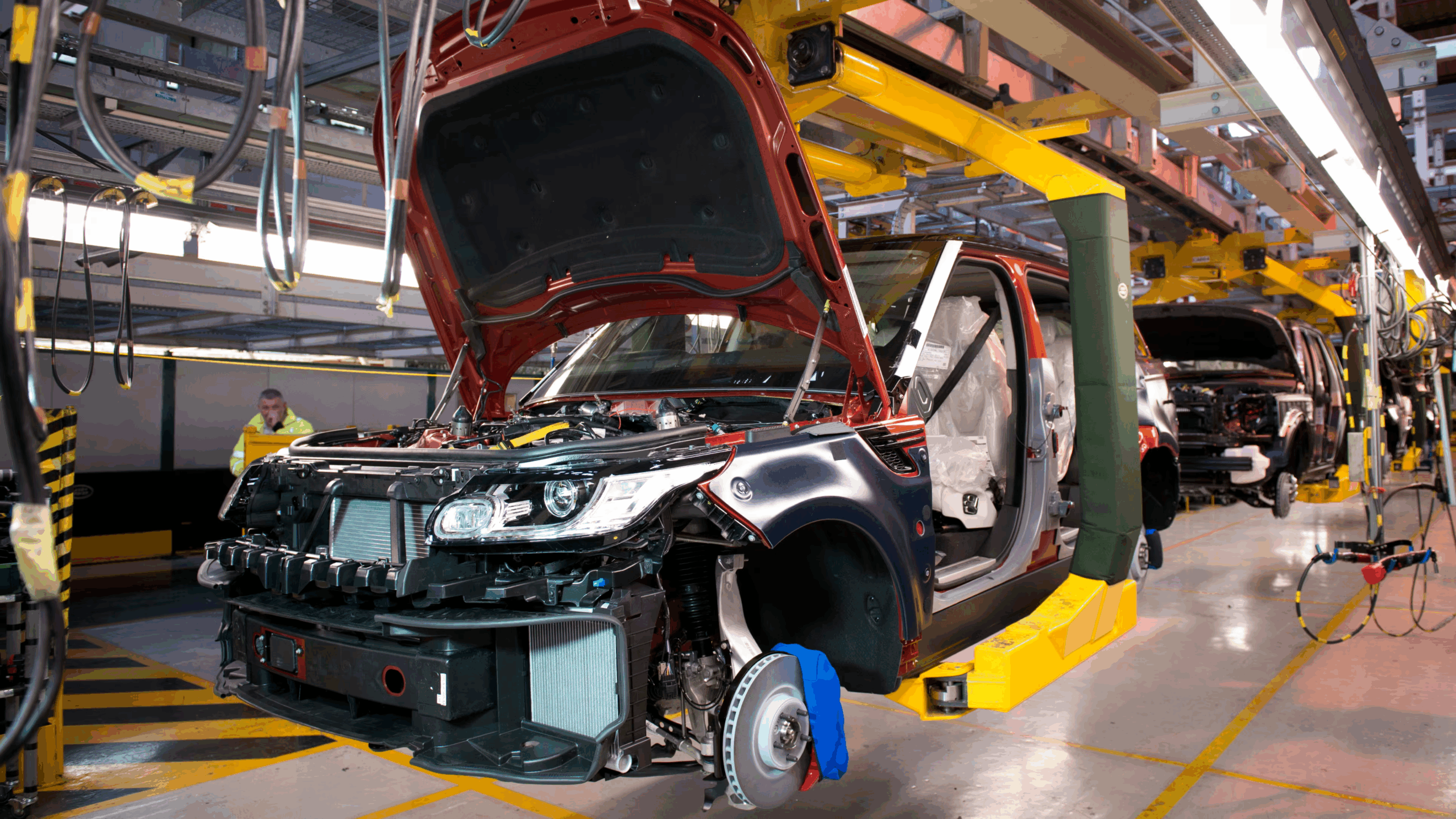
The UK government said Friday it is working with Jaguar Land Rover (JLR) to assess the fallout of a cyberattack that has kept the automaker’s factories offline for more than three weeks. JLR, Britain’s largest carmaker, confirmed its plants will remain shut until at least September 24, extending the disruption first triggered in early September when production was halted to contain the breach.

The shutdown has sparked growing concern over the impact on JLR’s extensive supply chain, which supports 104,000 jobs across the country, many of them at small and medium-sized firms. The Unite trade union has warned the stoppage could lead to layoffs if the disruption persists and has called for government intervention to protect workers.

In a joint statement, the government and the Society of Motor Manufacturers and Traders (SMMT) said officials, including national cyber experts, are directly supporting JLR’s recovery efforts and working to evaluate the knock-on effects across the industry.

The incident underscores the vulnerability of major manufacturing operations to cyberattacks and the risks they pose to national supply chains, especially in sectors where thousands of smaller firms depend on the output of a single large manufacturer.

Manufacturers Turn to AI to Manage Supply Chains Amid Tariff Volatility

U.S. manufacturers like The Toro Company are using artificial intelligence to maintain lean “just-in-time” inventories despite ongoing global trade uncertainties and fluctuating tariffs. Toro’s supply chain chief, Kevin Carpenter, says AI helps the company process daily news—from policy updates to commodity prices—into actionable insights, guiding purchasing and inventory decisions.

Generative AI is being increasingly adopted in supply chains, capable of analyzing massive datasets and suggesting optimal actions. Industry research firm Gartner predicts AI software spending for supply chains could rise from $2.7 billion today to $55 billion by 2029. Leading providers include SAP, Oracle, Coupa, Microsoft, and Blue Yonder.

While AI improves efficiency and helps manage cost pressures, experts caution it is not a “silver bullet.” Human oversight remains essential for strategic decisions, with AI handling routine tasks like scheduling and ordering. Companies using AI can better react to uncertainty, reduce excess inventory, and protect profit margins amid rising costs and global disruptions.