Yazılar

Foxconn Sends 97% of India iPhone Exports to U.S. as Apple Navigates Trump’s Tariffs

Foxconn, Apple’s key contract manufacturer, shipped nearly all of the iPhones exported from India to the United States between March and May 2025, according to customs data reviewed by Reuters. The figure reached 97%, significantly higher than the 2024 average of about 50%, highlighting Apple’s strategic effort to bypass steep U.S. tariffs imposed on imports from China.

During this three-month period, Foxconn exported iPhones worth $3.2 billion from India, with shipments to the U.S. totaling nearly $1 billion in May alone—the second-highest monthly export value on record. Overall, Foxconn’s India-to-U.S. iPhone exports totaled $4.4 billion in the first five months of 2025, already surpassing the entire 2024 value of $3.7 billion.

Apple has been accelerating iPhone production in India as a means to reduce the impact of U.S. tariffs on Chinese-made devices, which Trump’s administration set as high as 55% on some Chinese goods. India faces a baseline 10% tariff and has been negotiating to avoid a 26% “reciprocal” tariff that the U.S. temporarily paused earlier this year.

Despite Apple CEO Tim Cook’s push for expanded production in India, former President Donald Trump criticized the move in May, insisting Apple should manufacture more phones in the U.S. rather than abroad.

Efforts to speed exports include Apple chartering cargo flights transporting billions worth of iPhone models directly to the U.S. and lobbying for faster customs clearance at Chennai airport, a critical hub for iPhone exports in southern India.

Analysts expect “Made-in-India” iPhones to represent 25-30% of global shipments in 2025, up from 18% in 2024, signaling a growing shift in Apple’s supply chain strategy.

Another supplier, Tata Electronics, part of India’s Tata Group, also exports mostly to the U.S., sending about 86% of its iPhone shipments from India there during March and April.

Despite government efforts to promote India as a smartphone manufacturing center, higher component import duties keep production costs relatively elevated compared to other countries. Apple continues to rely heavily on Chinese manufacturing, with around 80% of iPhones sold in the U.S. still produced there.
Taiwan’s Pegatron Nears Decision on U.S. Factory Plan Amid AI Server Production Needs

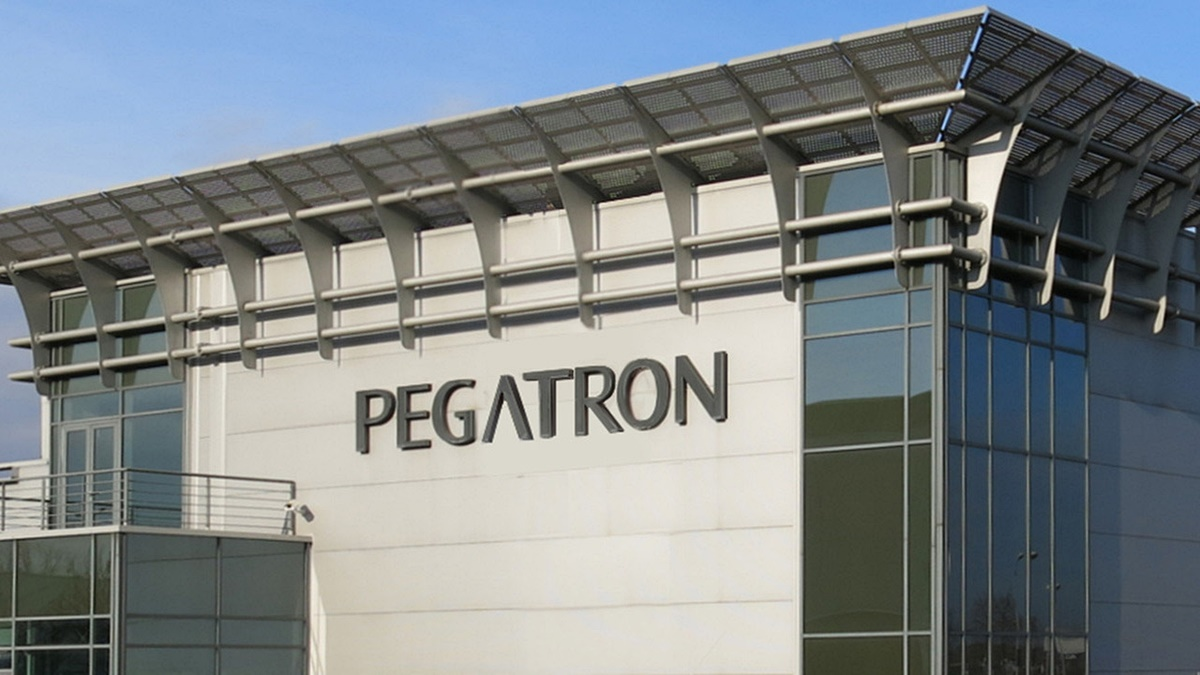
Pegatron, a major Taiwanese supplier for Apple and Dell, is in the final phase of evaluating plans for a new factory in the United States, with a decision expected by this or next month, company president and CEO Kuang-Chih Cheng said on Friday.

Key factors influencing the site selection include land and labor costs, with electricity availability being especially critical due to the factory’s focus on artificial intelligence (AI) server production, Cheng told reporters during the company’s annual shareholders’ meeting.

When asked about possible locations, Cheng noted that Pegatron’s considerations are similar to those of peers and competitors, many of whom are looking at U.S. states like Texas, where Taiwanese manufacturers Foxconn, Inventec, and Wistron have recently announced expansion plans.

Pegatron has been actively diversifying its manufacturing footprint away from China since the Trump administration began imposing trade restrictions, expanding operations in Southeast Asia and Mexico. The company already maintains a repair base in Indiana and an office in California.

Additionally, Pegatron started developing an AI server production line in Mexico last year, with mass production slated to begin in the third quarter.

Gamers Line Up for Nintendo Switch 2 Amid High Demand on Launch Day

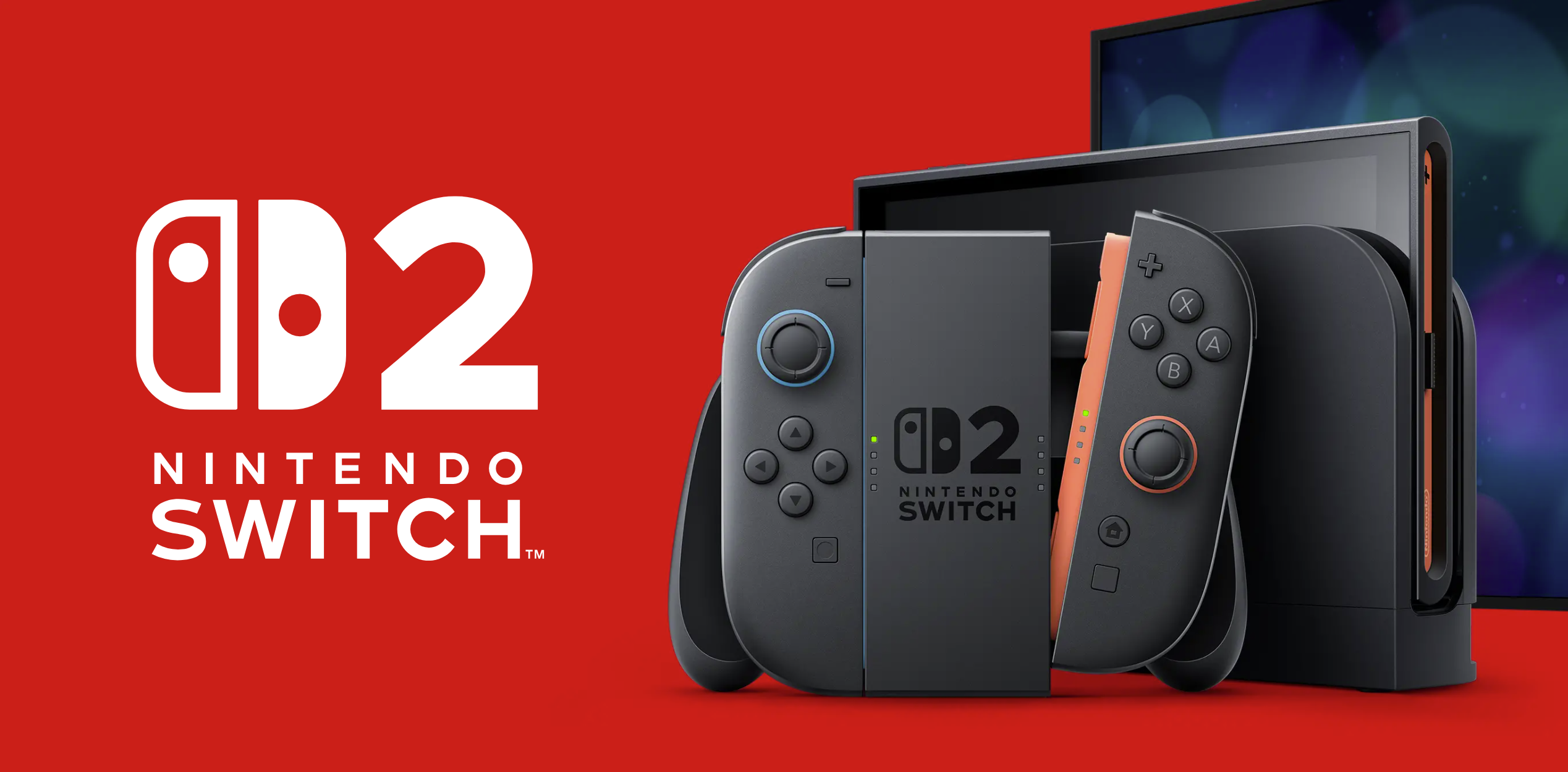
Enthusiastic gamers queued up on Thursday for the launch of Nintendo’s Switch 2, showcasing strong demand for the next-generation gaming console. The new device, priced at $499.99, features a larger screen and improved graphics while debuting with titles like Mario Kart World.

In Tokyo’s Ikebukuro district, winners of a sales lottery by electronics retailer Bic Camera gathered early to collect their Switch 2 units. Yumi Ohi, a 30-year-old delivery contractor who traveled from nearby Saitama prefecture after missing previous lotteries, expressed her excitement: “I feel like I’m going to cry.”

Since its original launch in 2017, the Nintendo Switch has sold 152 million units and become a cultural phenomenon with hits such as The Legend of Zelda and Animal Crossing: New Horizons. Analyst Piers Harding-Rolls of Ampere Analysis expects the large Switch user base to help drive strong initial adoption for the new model. He added that Nintendo appears better prepared to meet demand this time around.

The launch is also a test for Nintendo’s supply chain amid ongoing U.S.-China trade tensions. Nintendo forecast sales of 15 million Switch 2 units this financial year, alongside 4.5 million of the original Switch.

President Shuntaro Furukawa said the company will boost production and focus on sales promotion to surpass these targets. The Switch 2 sales lottery on Nintendo’s Japanese store drew 2.2 million applicants, while pre-orders at Target in the U.S. sold out in under two hours.

Serkan Toto, founder of Kantan Games, warned buyers they might face weeks or months before the console becomes widely available in stores. Investor enthusiasm is high, with Nintendo shares up 28% year-to-date despite a recent 2% dip.

However, some analysts caution that casual gamers might wait to see how the Switch 2’s game library expands beyond launch titles. Ampere forecasts sales exceeding 100 million units by 2030.

The launch also sparked debate over game pricing, with Mario Kart World priced at $79.99 in the U.S. Longtime gamer Akitomo Takahashi, 40s, considered this reasonable given historical game prices and looks forward to playing Elden Ring on the new console.