Yazılar

Lyten Acquires Bankrupt Northvolt, Aiming to Revive Europe’s Battery Ambitions

U.S.-based battery startup Lyten has agreed to purchase most of bankrupt Swedish battery maker Northvolt, potentially offering the fallen European giant a second chance. The Silicon Valley company, backed by Stellantis and FedEx, specializes in developing lithium-sulphur cells — a cleaner alternative to traditional lithium-ion batteries.

Northvolt, once seen as Europe’s strongest contender against major Asian EV battery makers, filed for bankruptcy in March, marking one of Sweden’s largest corporate failures. Lyten CEO Dan Cook told Reuters the deal, struck at a “substantial discount” to the original asset value, aims to continue the work Northvolt had started. Swedish Deputy Prime Minister Ebba Busch welcomed the agreement, calling it key to Europe’s energy independence.

Northvolt’s downfall was attributed to production challenges and failing to meet quality expectations, despite strong backing from customers like Scania. While Scania has not confirmed future orders from Lyten, it expressed satisfaction with the acquisition.

Lyten plans to restart Northvolt’s flagship Skelleftea plant in northern Sweden, with the goal of resuming lithium-ion battery deliveries by 2026. The acquisition also includes Northvolt’s energy storage business in Poland, its projects in Sweden and Germany, and its intellectual property. Work is underway to take over its Canadian operations as well.

Several former Northvolt executives will join Lyten, though not founder Peter Carlsson. The company will initially focus on securing high-yield production for a single customer before expanding to a broader market, targeting the automotive, defense, and energy storage sectors.

Lyten recently raised over $200 million in new equity to support its acquisitions and expansion, and Cook expressed confidence that automakers like BMW, Volkswagen, and Audi — once part of Northvolt’s $50 billion order book — could return sooner than expected.
Swedish Military Joins Forces with Telia and Ericsson to Strengthen Defense Tech via 5G

The Swedish Armed Forces have officially joined Telia and Ericsson’s NorthStar 5G innovation program, aiming to enhance national defense capabilities through cutting-edge telecommunications technology. The collaboration seeks to advance military communications, logistics, and security infrastructure, while improving interoperability within NATO.

Originally launched in 2023, the NorthStar initiative was initially focused on industrial clients, but growing geopolitical tensions have pushed Sweden to accelerate its defense tech modernization. “We need to speed it up due to the geopolitical situation in the last six months,” said Brigadier-General Mattias Hanson, CIO of the Swedish Armed Forces, in an interview with Reuters.

Sweden became NATO’s newest member earlier this year and currently allocates around 2.7% of its GDP to defense—a figure the government aims to raise to 3.5% by 2030. The move follows broader European efforts to bolster self-defense as U.S. support under the Trump administration has become less certain.

Under the expanded partnership, the military will engage with tech startups and civilian companies to find innovative solutions to defense challenges. One early focus is improving communication systems for drones. “We will try to figure out how to be faster in innovation and how to solve a military problem with civilian technology,” Hanson explained.

Although Sweden has its own military communication infrastructure, future systems will integrate various technologies—including radio, satellite, 5G, and fiber optics—for more robust and flexible operations.

BIS Digital Currency Chief Cecilia Skingsley Steps Down Early for Swedish Government Role

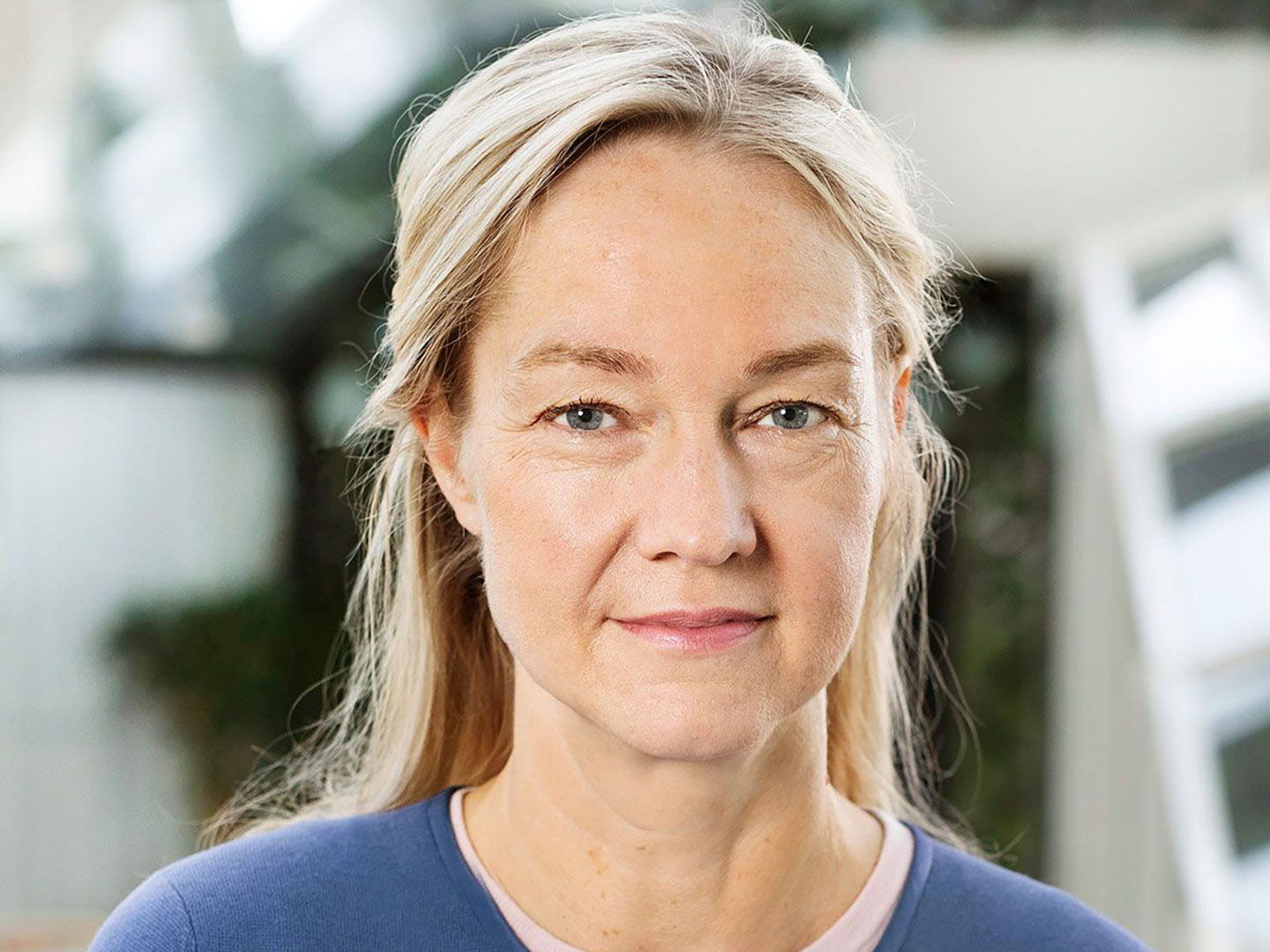
Cecilia Skingsley, the head of the Bank for International Settlements (BIS) Innovation Hub, is stepping down two years before the end of her five-year term to return to Sweden for a government appointment, the BIS announced.

Skingsley, a former deputy governor of Sweden’s Riksbank, will become County Governor of Stockholm County next month. She began her role at the BIS in September 2022, leading its work on central bank digital currencies (CBDCs) and other fintech innovations.

Departure Comes Amid BIS Strategic Shift

Her departure coincides with broader structural changes at the BIS, ahead of incoming General Manager Pablo Hernández de Cos, who takes over in July. Reports earlier this year indicated plans to scale back the Innovation Hub, which had grown rapidly since its 2019 launch, expanding to seven global financial centers including London, Singapore, and Hong Kong.

“Under Skingsley, the Innovation Hub made great strides toward fulfilling our strategic goal of helping central banks face the challenges of the future,” said Agustín Carstens, the BIS’s current chief.

CBDC Landscape in Flux

Skingsley’s exit also follows increasing geopolitical tension around CBDCs. Notably, the BIS abruptly withdrew last year from a high-profile CBDC pilot project with China and other Asian central banks, raising questions about internal policy shifts and global alignment.

CBDCs remain a strategic frontier for central banks, with dozens of jurisdictions exploring digital versions of national currencies amid competition from private stablecoins and global digital finance trends.

Interim Leadership and Succession Plans

  • The BIS said Deputy General Manager Andréa Maechler, formerly of the Swiss National Bank, will serve as interim head of the Innovation Hub.

  • A formal recruitment process for Skingsley’s successor will be announced “in due course.”

Skingsley’s early exit may influence how central banks recalibrate their digital currency strategies in the face of evolving regulatory, technological, and geopolitical pressures.