Yazılar

Areim Secures $481 Million for Sustainable Data Centers

Swedish fund manager Areim has raised €450 million ($481 million) to support the development of sustainable data centers, reinforcing efforts to reduce the environmental impact of the energy-intensive sector. The investment comes amid growing concerns over data center emissions, which are projected to reach 2.5 billion metric tons of CO₂-equivalent by 2030, according to Morgan Stanley.

Leif Andersson, founder of Areim and chairman of EcoDataCenter, highlighted the significance of securing capital at this scale. He emphasized the company’s commitment to driving innovation in digital infrastructure alongside its customers.

The funding, sourced from undisclosed international investors, will be deployed through EcoDataCenter, a company under Areim’s portfolio. Established in 2019, EcoDataCenter designs, builds, and operates data centers focused on reducing carbon emissions and optimizing energy efficiency through renewable energy and advanced technology.

Areim and EcoDataCenter have collectively secured approximately €1.2 billion in funding over the past two years, marking a substantial commitment to sustainable data infrastructure.

Germany Suspects Sabotage in Baltic Sea Telecoms Cable Damage

Germany Warns of Possible Sabotage After Damage to Undersea Cables

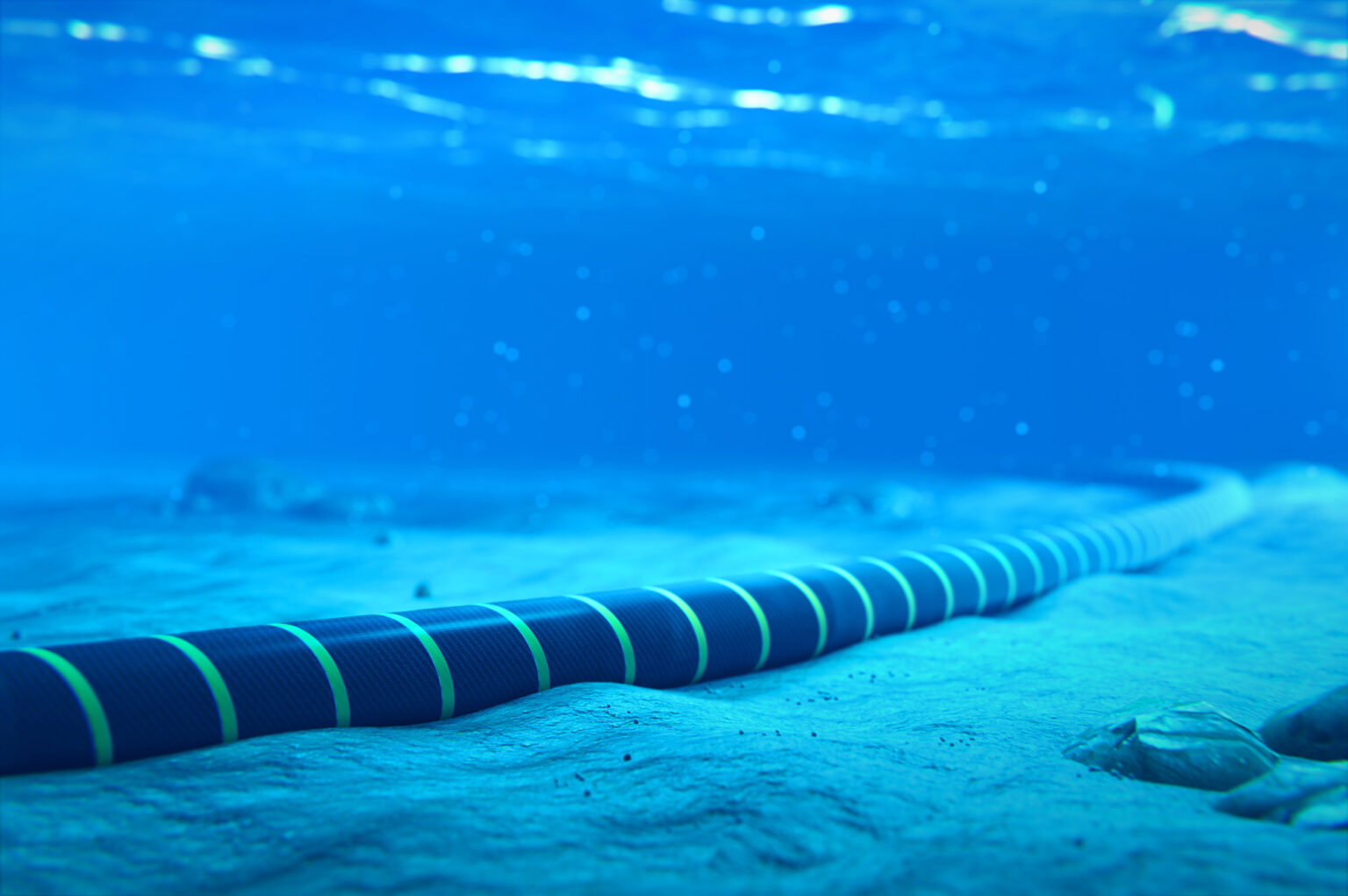
Germany has raised concerns that the recent damage to two underwater telecoms cables in the Baltic Sea could be the result of sabotage. Speaking at a meeting in Brussels, German Defence Minister Boris Pistorius stated that the damage, which occurred between Sunday and Monday, should be presumed to be a deliberate act, dismissing the possibility of accidental damage from ship anchors. The cables affected include one linking Finland and Germany and another connecting Sweden and Lithuania.

Pistorius emphasized that while it remains unclear who was responsible for the damage, the incident should be considered a “hybrid” action, suggesting the possibility of political or military involvement. He expressed skepticism about claims that the cables were damaged accidentally and underlined the need to investigate the situation thoroughly.


Heightened Surveillance and Investigation Underway

In response to the damage, Lithuania has increased its naval patrols in the Baltic Sea. The Lithuanian armed forces are working alongside regional NATO members to assess the situation, while the Lithuanian Prosecutor General’s Office has begun gathering information to decide if a formal investigation should be launched.

The Swedish Post and Telecom Authority is also coordinating with other relevant agencies to gather more details, though it declined to provide further comments on the situation. Both cable companies—Arelion, which operates the cable linking Lithuania and Sweden, and Cinia, which owns the Finland-Germany link—confirmed that the damage was significant, with Arelion calling it “full damage.”


Concerns of Espionage and Sabotage in the Region

The incident comes amid growing tensions in the region, following the war between Russia and Ukraine. Dutch Defence Minister Ruben Brekelmans pointed to increased Russian activity in the seas, suggesting it could be linked to espionage or sabotage aimed at critical infrastructure. This mirrors previous concerns about Russia’s possible involvement in damaging the Nord Stream gas pipelines in 2022, which remains unsolved.

Both Sweden and Germany are closely monitoring the situation, and while no direct evidence has pointed to a specific perpetrator, the damage to the cables raises further questions about the security of vital infrastructure in the region. The companies involved have stated that repairs could take up to 15 days, depending on the assessment of the damage.

Sweden Reports First Case of Mpox Outside Africa Amid Global Health Emergency

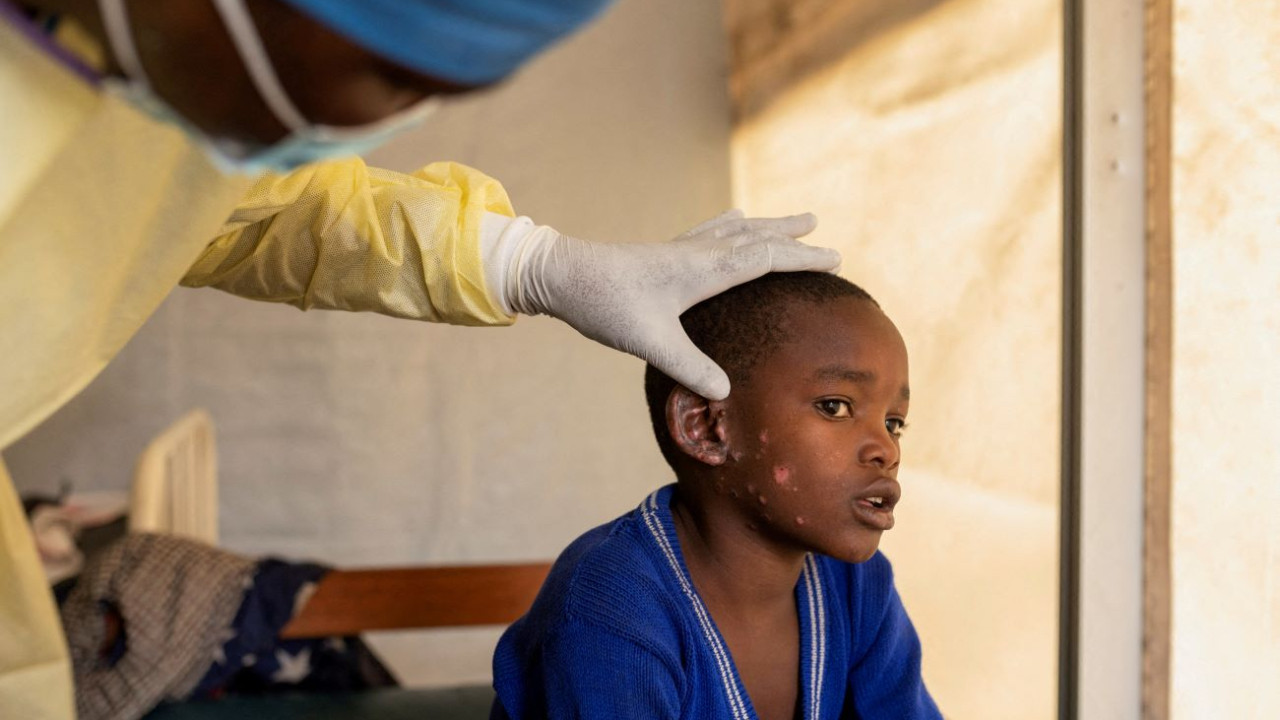
Sweden has confirmed its first case of mpox, marking the first instance of the viral infection being detected outside of Africa. The announcement came just a day after the World Health Organization (WHO) declared mpox a global public health emergency for the second time in two years. The infected individual contracted the disease while staying in a region of Africa currently experiencing a significant outbreak, according to Olivia Wigzell, the Director-General of the Swedish Public Health Agency.

The WHO’s declaration follows a concerning spread of the virus from the Democratic Republic of Congo to neighboring countries, involving a more severe strain of the disease known as Clade I. Sweden’s Health and Social Affairs Minister, Jakob Forssmed, confirmed that the country has identified one case of this more serious strain. The infected person has received appropriate medical care and guidance in accordance with the Swedish health agency’s recommendations.

This case is particularly notable as it is the first time Clade I mpox has been diagnosed outside the African continent. Swedish health authorities are closely monitoring the situation and have emphasized the importance of following public health guidelines to prevent further spread. The WHO’s decision to classify mpox as a global health emergency underscores the need for international cooperation and vigilance in addressing this outbreak.