Yazılar

Same-Sex Marriage Faces Uncertainty in Asia After Initial Progress

In June, Thailand’s Senate passed a marriage equality bill, putting the country on track to become the first Southeast Asian nation to legalize same-sex marriage. The local LGBTQ+ community celebrated with symbolic wedding ceremonies in Bangkok, hopeful that the real thing could soon follow. Once finalized by royal approval, Thailand would join Taiwan (2019) and Nepal (2023) as the only Asian jurisdictions to legalize same-sex marriage.

However, despite this progress, the momentum for marriage equality in Asia has largely stalled. Few other governments in the region are moving towards similar legislation, according to Suen Yiu-tung, associate professor of gender studies at the Chinese University of Hong Kong.

Regional Disparities

Globally, over 30 jurisdictions have legalized same-sex marriage, with most progress seen in Europe, the Americas, and Australasia. But many Asian countries maintain conservative stances. Homosexuality remains illegal in neighboring Myanmar, Malaysia, Sri Lanka, Brunei, Bangladesh, and Indonesia’s Aceh province, with severe penalties such as jail terms and caning.

Nadia Rahman from Amnesty International highlighted that despite victories in some countries, LGBTQ+ people across Asia still face criminalization, discrimination, and violence.

The recent progress in Thailand, Taiwan, and Nepal stems from unique cultural and political environments. For example, Nepal’s liberal judiciary has historically sided with LGBTQ+ rights, and its culture, including the recognized third-gender “hijras,” laid the groundwork for inclusion. In Taiwan and Thailand, active civil societies and democratic developments have also pushed the movement forward. Scholars like Kangwan Fongkaew from Burapha University attribute Thailand’s progress to its political system, which allows popular demands to be channeled into legislation.

Picture background

Challenges in Other Asian Nations

While Thailand and Taiwan have made strides, LGBTQ+ rights face major challenges elsewhere. In mainland China, activism remains heavily suppressed, and in India, efforts to legalize same-sex marriage have hit a deadlock. Although India’s Supreme Court was petitioned to grant marriage rights, it deferred the matter to the government, which has shown little urgency to act. Activist Anish Gawande noted that India’s government only takes limited actions to appease international pressure without committing to broader reforms.

In Japan, where polls show 68% support for same-sex marriage, progress has been slow. While some local governments recognize same-sex relationships for administrative purposes, national courts have returned conflicting rulings on the issue. Religious conservatism remains a significant barrier in South Korea, where the LGBTQ+ community faces public hostility, as seen in protests against LGBTQ+ events. Nonetheless, South Korea has had some wins, such as a recent Supreme Court ruling granting spousal benefits to same-sex partners in national health insurance.

Economic Considerations and Future Outlook

Experts argue that legalizing same-sex marriage could provide economic benefits, particularly for nations like Singapore and Hong Kong, which aim to attract multinational companies. These firms often require supportive environments for their LGBTQ+ employees. However, despite such pressures, neither government seems poised to enact changes. Singapore recently decriminalized sex between men but constitutionally blocked challenges to same-sex marriage. In Hong Kong, the Court of Final Appeal ordered the government to create a legal framework recognizing same-sex couples, but there has been no substantial progress.

Overall, the situation remains uneven across the region. Peter Newman, from the University of Toronto, emphasized that despite recent advancements, criminalization and discrimination persist in many parts of Asia. Even in countries with legal protections, LGBTQ+ individuals still face challenges like workplace bullying and health care discrimination. However, Suen remains cautiously optimistic, noting that public discussions around LGBTQ+ rights have increased, with Thailand’s move providing an encouraging sign for the future.


Trump Accuses Taiwan of Stealing U.S. Chip Industry; Experts Say Taiwan’s Growth is Organic

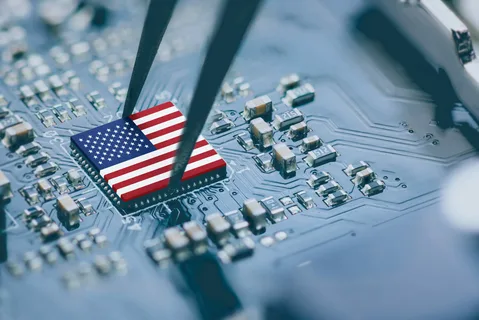
Former President Donald Trump recently claimed that Taiwan had effectively stolen America’s semiconductor industry, asserting that the island democracy had taken “almost 100%” of the market from the U.S. Trump suggested that this loss was a grave error and that Taiwan should pay for American defense support.

However, industry experts dispute this assertion. Taiwan’s semiconductor success is attributed to its strategic vision and innovative business model, not theft. Morris Chang, the founder of Taiwan Semiconductor Manufacturing Company (TSMC), established the company in 1987 after a distinguished career in the U.S. semiconductor industry. Chang’s vision was revolutionary—creating a “pure-play foundry” model focused solely on manufacturing chips designed by other companies.

This approach transformed the global chip sector. Today, Taiwan produces over 90% of the world’s advanced semiconductors, according to the Semiconductor Industry Association. TSMC’s success is built on its ability to scale production, invest heavily in R&D, and maintain efficiency. The company’s recent opening of a global R&D center in Hsinchu further underscores its commitment to advancing chip technologies.

Experts highlight that Taiwan’s achievements are rooted in its effective contract manufacturing model, skilled engineers, and a supportive tech ecosystem. While Intel and Samsung are attempting to replicate TSMC’s success, Taiwan’s advantages remain challenging to duplicate.

In response to Trump’s remarks, Taiwanese Premier Cho Jung-tai emphasized that Taiwan remains committed to maintaining its R&D capabilities domestically. This stance underscores the strategic importance of Taiwan’s semiconductor industry amid growing geopolitical tensions, including the risk of Chinese aggression.

The ongoing U.S.-China rivalry and chip shortages during the pandemic have prompted the U.S. to seek greater domestic chip production through initiatives like the CHIPS and Science Act. As TSMC expands its operations with new factories in Arizona, it faces challenges integrating its operations into different cultural and regulatory environments.

Experts advise that fostering a cooperative relationship between Taiwan and the U.S. could benefit both sides, ensuring stability and progress in the global semiconductor industry.