Yazılar

TSMC Set to Expand Chip Manufacturing with New Plants in Europe, According to Taiwanese Official

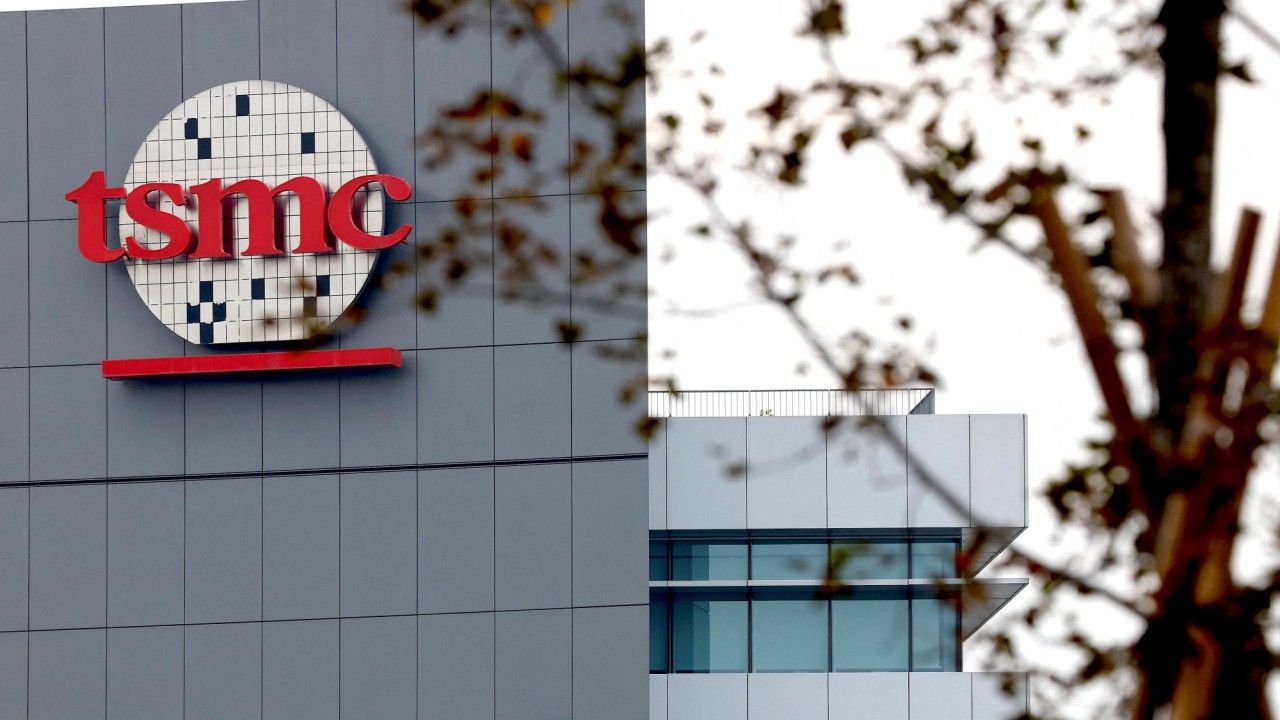
Taiwan Semiconductor Manufacturing Co. (TSMC) is gearing up to expand its manufacturing capabilities in Europe, particularly targeting the burgeoning market for Artificial Intelligence (AI) chips. This strategic move comes as TSMC seeks to broaden its global footprint amid rising demand for advanced semiconductor technologies. A senior official from Taiwan has confirmed these plans, underscoring the importance of the European market in TSMC’s future growth strategy.

In an interview with Bloomberg TV, Wu Cheng-wen, Taiwan’s Minister of the National Science and Technology Council, disclosed that TSMC has already initiated construction of its first semiconductor fabrication plant (fab) in Dresden, Germany. He noted that the company is actively planning additional fabs for various market sectors beyond just AI, indicating a comprehensive approach to meet diverse industry needs. This expansion aligns with Europe’s ambitions to bolster its semiconductor manufacturing capabilities, reducing dependency on external suppliers.

While Wu provided insights into TSMC’s plans, he did not specify a timeline for the further expansion of the company’s facilities in Europe. This lack of a concrete schedule leaves questions about when these additional fabs will come online. In response to inquiries regarding its future plans, TSMC issued a statement indicating that it remains focused on its current global expansion projects. The company emphasized that, at this time, there are no new investment plans announced beyond what is already underway.

The expansion into Europe reflects a broader trend in the semiconductor industry as companies aim to enhance local production capabilities in response to global supply chain disruptions and increasing demand for chips. As the AI market continues to grow, TSMC’s strategic investments in European manufacturing are expected to position the company favorably to cater to the evolving technological landscape. This move not only strengthens TSMC’s competitive edge but also supports Europe’s goals of establishing a more resilient and self-sufficient semiconductor supply chain.

Taiwan’s President Asserts China Cannot Be Its Motherland, Sparking Controversy

Taiwan’s President, Lai Ching-te, has declared that it is “absolutely impossible” for Communist China to be considered Taiwan’s motherland, citing Taiwan’s longer-established government in a move that reinforces the historical rivalry between the two entities. His comments, delivered during a concert ahead of Taiwan’s national day, highlighted Taiwan’s distinct identity and the ongoing rejection of Beijing’s claims over the island.

Lai, who has consistently supported Taiwan’s sovereignty, pointed out that Taiwan, officially the Republic of China (ROC), predates the People’s Republic of China (PRC) by several decades. The ROC, founded in 1912 after a revolution that overthrew China’s Qing dynasty, relocated its government to Taiwan in 1949 following the Chinese Civil War and the rise of the Communist Party under Mao Zedong. In contrast, the PRC, established in Beijing in 1949, has never controlled Taiwan but continues to claim it as a breakaway province.

During his speech, Lai underscored Taiwan’s unique status: “Our neighbor, the People’s Republic of China, just celebrated its 75th birthday on October 1. In a few days, the Republic of China will celebrate its 113th birthday.” This comparison was met with applause from the audience in Taipei, reinforcing Lai’s stance that the PRC cannot be Taiwan’s motherland. He even humorously suggested that the ROC could be the motherland of Chinese citizens over 75 years old.

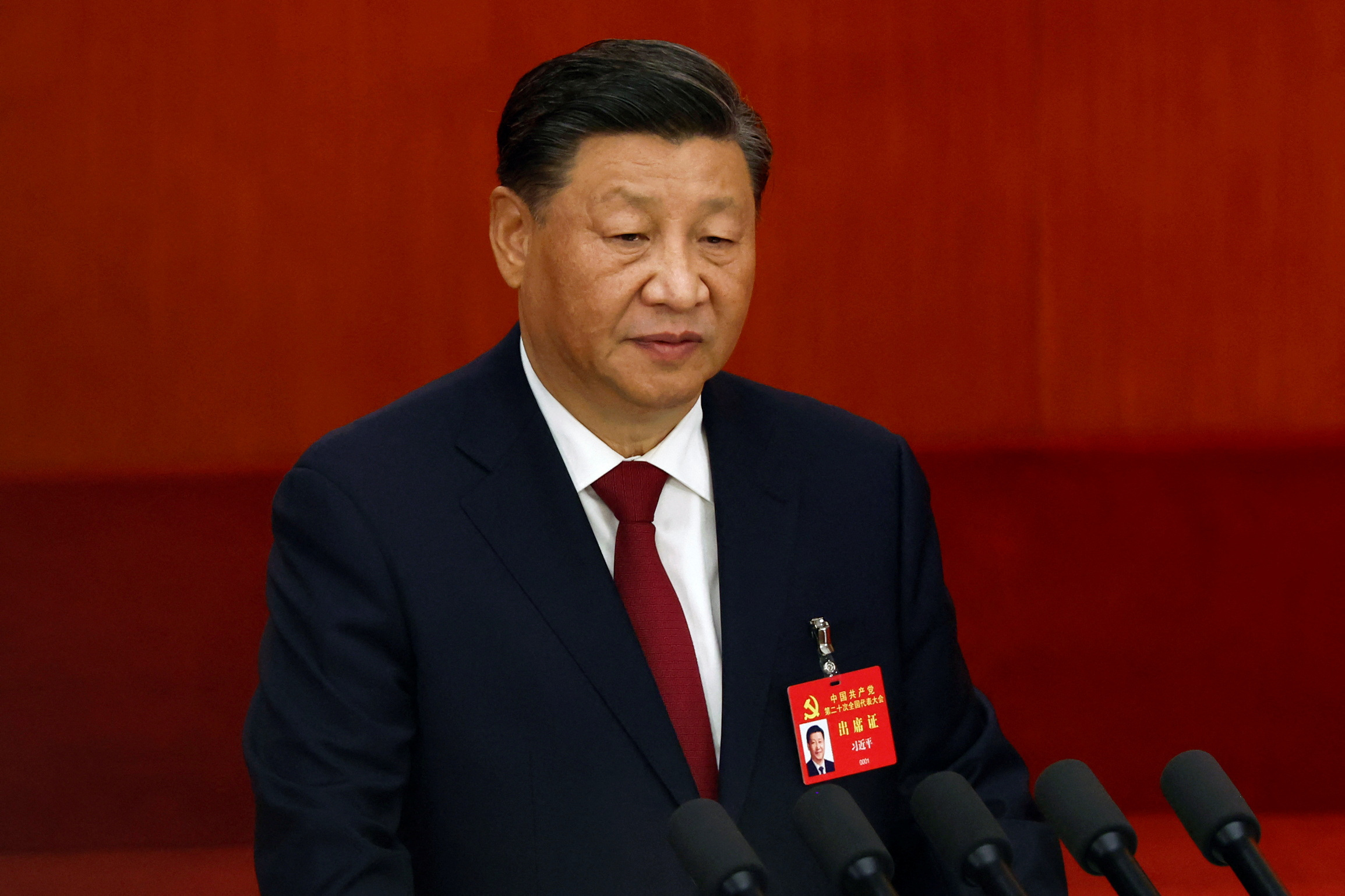
Beijing has yet to respond to Lai’s remarks, which come at a time of heightened tensions. China’s leaders, particularly under President Xi Jinping, have intensified efforts to bring Taiwan under Chinese control, even threatening military action if necessary. Xi has reiterated his determination to achieve reunification, viewing it as an “irreversible trend” and a “common aspiration of the people.”

Lai’s comments have drawn criticism domestically, particularly from the Kuomintang (KMT), Taiwan’s main opposition party. The KMT has accused Lai’s Democratic Progressive Party (DPP) of unnecessarily provoking China. KMT city councillor Ling Tao remarked on social media that Lai’s references to the PRC and his “motherland theory” were intended to stoke political confrontation between Taipei and Beijing.

The KMT, once intent on reclaiming mainland China, has since evolved to support closer ties with Beijing, favoring a more pragmatic approach toward cross-strait relations. Meanwhile, Lai’s DPP maintains a more assertive stance on Taiwan’s sovereignty, further intensifying the political divide within Taiwan.

Beijing’s aggressive posture toward Taiwan, paired with Lai’s defiant rhetoric, has raised concerns of a potential military conflict in the region. Lai’s upcoming national day address is expected to further clarify Taiwan’s position as tensions with China continue to simmer.

Taiwan Re-Opens, Cleans Up After Typhoon Krathon

Southern Taiwan, particularly the major port city of Kaohsiung, began clearing up damage on Friday after Typhoon Krathon caused significant flooding and damage from high winds. The storm, now downgraded to a tropical depression, hit Kaohsiung hard, inundating streets, shattering windows, and scattering debris as it unleashed record-breaking winds. Meanwhile, most of Taiwan resumed normal activities, and financial markets re-opened, though Kaohsiung and neighboring Pingtung County declared a fourth consecutive day off work to focus on recovery efforts.

Officials, led by Kaohsiung Mayor Chen Chi-mai, vowed to restore essential services as quickly as possible. The mayor stressed the urgency of restoring transport, water, and electricity, saying, “We hope as fast as possible to resume transport, water and electricity supplies, so work and life can get back to normal.”

Kaohsiung’s government reported over 2,000 fallen trees obstructing roads, though only two injuries were reported in the city. Workers used cranes to clear debris, including downed trees and traffic signs. Some streets remained impassable, forcing traffic diversions and inconveniencing pedestrians.

Locals shared their experiences of the storm’s intensity. Clark Huang, a 49-year-old resident, described how his sandbags failed to prevent water from flooding his home. “The wind pressed the water in anyway,” he said, adding that cleanup began swiftly once the storm passed. Tsai Ming-an, a 51-year-old engineer, recounted how his home’s ground floor was submerged in about 20 cm (7.8 inches) of water, remarking, “I have never seen winds like that.”

Typhoon Krathon’s path was unusual, striking Taiwan’s flat west coast, rather than the more mountainous and sparsely populated east coast. In the aftermath, nearly 100,000 households in Kaohsiung and Pingtung remained without power on Friday, while 129,000 households in Kaohsiung had no water supply. Despite the widespread disruptions, the city is recovering steadily, and workers at Kaohsiung Port are clearing freight containers displaced by the storm to ensure normal operations continue.

Transportation services were slowly resuming, with Taiwan’s north-south high-speed rail line and most regular rail services back in operation, except for two branch lines. However, disruptions in air travel continued, with 15 international and 88 domestic flights canceled. Kaohsiung’s airport sustained damage to two air bridges, and Orchid Island’s airport lost landing aids, but both airports remained operational.

The death toll from Typhoon Krathon remains at two, both men from Taiwan’s east coast who were killed before the typhoon made landfall. One person is still missing, and 667 people sustained injuries. Rescue and recovery efforts are ongoing, with teams working to restore services and clear the storm’s aftermath.

In addition to dealing with storm damage, authorities are investigating a fire at a hospital in Pingtung that killed nine people. The fire broke out while Typhoon Krathon was bearing down on the region, adding another layer of tragedy to the unfolding disaster.