Yazılar

China, Trump Signal Cautious Optimism for Renewed US-China Cooperation Amid Tough Rhetoric

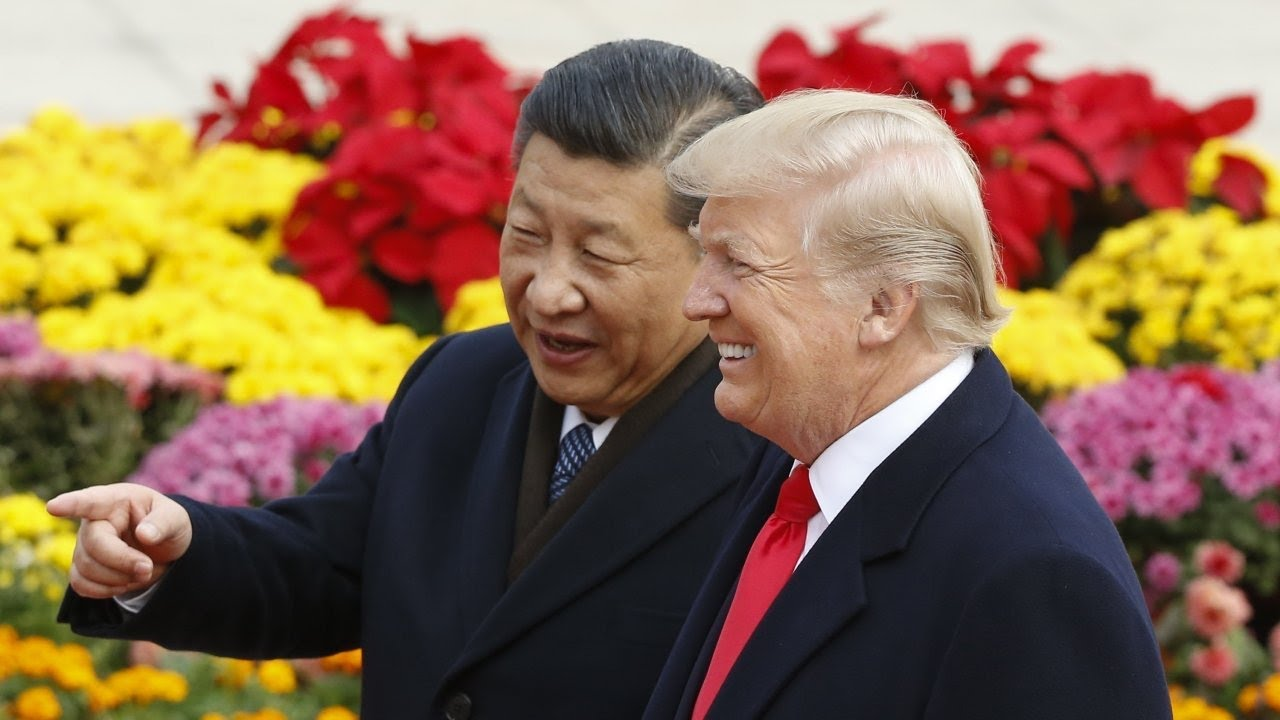
China’s top diplomat, Foreign Minister Wang Yi, expressed hope on Tuesday that the incoming Trump administration would collaborate with Beijing “in a mutually beneficial manner” despite ongoing tensions. Wang’s comments came hours after Donald Trump remarked that the COVID-19 pandemic had strained his relationship with Chinese President Xi Jinping, whom he once considered a “friend.”

“We hope the new U.S. administration will make the right choice and work with China to remove disruptions and overcome obstacles,” Wang stated during a forum in Beijing, according to his ministry’s statement.

Trump, addressing reporters at his Mar-a-Lago resort, reflected on his past relations with Xi, acknowledging the pandemic as a breaking point. “We had a very good relationship until COVID,” Trump said. “COVID didn’t end the relationship, but it was a bridge too far for me.” Trump avoided confirming whether Xi would attend his inauguration but emphasized the importance of U.S.-China ties: “China and the United States can together solve all of the problems of the world.”

Trump’s Second Term Agenda and Beijing’s Strategy

Trump has signaled a more confrontational stance toward China as he prepares for his second term. His campaign promises include imposing a 10% tariff on Chinese goods and additional levies exceeding 60% to pressure China on issues like stopping fentanyl exports to the U.S. Trump has also pledged to revoke China’s most-favored-nation trade status—a move that could reshape bilateral trade dynamics.

In response, analysts suggest China is preparing to amass bargaining chips to engage with Trump’s administration on contentious issues such as trade, technology, and investment. Beijing has shown readiness to push back, with Wang Yi emphasizing China’s firm stance: “We firmly oppose the illegal and unreasonable suppression of China by the U.S., particularly on matters like Taiwan.”

Sanctions and Hard-Line Appointments

The diplomatic environment remains volatile as Trump’s choice of China hawks for key positions signals an aggressive approach. Republican Senator Marco Rubio, Trump’s nominee for Secretary of State, remains under Chinese sanctions imposed in 2020. Rubio’s prior criticism of Beijing raises questions about how his role would affect bilateral engagement.

China’s move to quietly remove a January 2021 statement sanctioning 28 Trump administration officials from its foreign ministry website has further fueled speculation. When asked about this development, Chinese Foreign Ministry spokesperson Lin Jian declined to comment, stating he had “no information to offer.”

Mutual Posturing, Cautious Optimism

Despite the confrontational rhetoric, both sides have hinted at opportunities for collaboration. Trump’s remarks acknowledged the global importance of U.S.-China cooperation, while China continues to position itself for negotiations that balance engagement with resistance to U.S. policies it deems provocative.

As Trump prepares for a second term, Beijing appears both prepared to push back against hard-line policies and cautiously optimistic about finding common ground to stabilize bilateral relations.


Typhoon Kong-rey Hits Taiwan, Causes Widespread Damage and Disruption

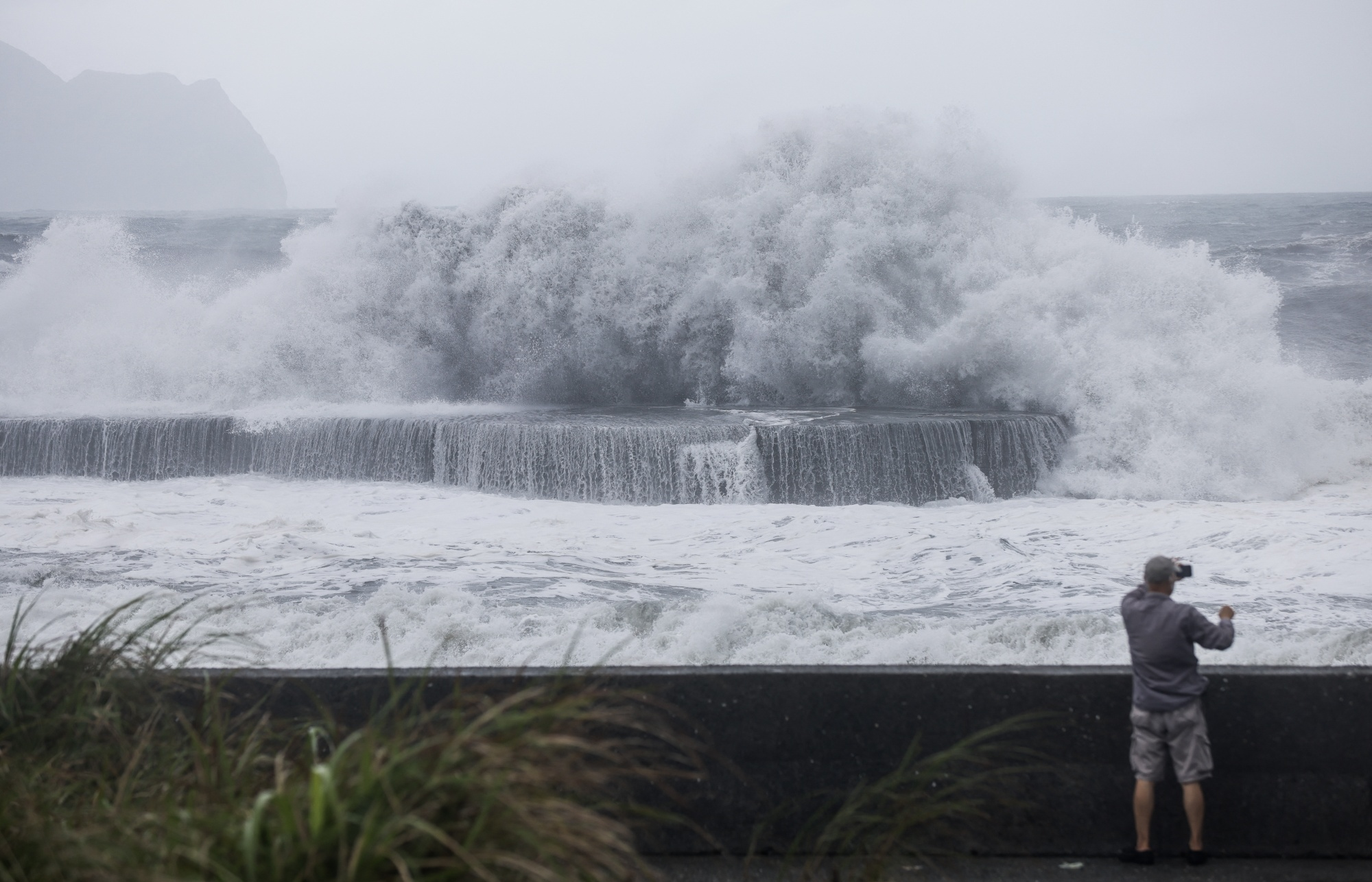
Typhoon Kong-rey, the most significant typhoon to strike Taiwan in nearly 30 years, made landfall on the island’s eastern coast on Thursday, bringing with it devastating winds and heavy rainfall. The storm hit at approximately 13:40 local time (04:40 GMT), prompting widespread school and workplace closures, while residents rushed to supermarkets, which quickly ran out of essential supplies.

Typhoon Impact

Before making landfall, Typhoon Kong-rey exhibited winds exceeding 200 km/h near its center, categorizing it as a Category 4 hurricane. The severe weather conditions led to the suspension of hundreds of flights and ferry services, as well as the closure of Taiwan’s stock exchange. By Thursday afternoon, authorities reported that over 70 people had been injured, and at least one fatality was confirmed: a 56-year-old woman who was killed when a falling tree struck her vehicle.

In addition to injuries, the typhoon caused power outages for approximately 500,000 households, according to Taiwan Power Company. The late arrival of such a significant storm is unusual, as Taiwan’s typhoon season typically spans from July to September. In fact, two major storms have impacted the island in October this year, the other being Super Typhoon Krathon, which resulted in four deaths and more than 700 injuries.

Historical Context and Concerns

Residents expressed their disbelief at the unusual timing of the storm. “I’m 70 years old,” a man in Hualien told a TV reporter, “and I have never seen a typhoon hit this late in the year.” This anomaly is thought to be linked to near-record global sea surface temperatures reported since July, which provide additional heat energy to fuel storm systems.

Beyond the high winds, Typhoon Kong-rey poses significant risks due to the moisture it carries, potentially leading to heavy rain, flooding, and landslides. Forecasters predict that the eastern part of Taiwan could experience up to 1,200 mm of rainfall between October 29 and November 1.

Preparedness and Response

In anticipation of the storm’s impact, Taiwan’s defense ministry placed 36,000 soldiers on standby for potential rescue efforts. Authorities have already evacuated around 8,600 people from high-risk areas. Taiwanese President Lai Ching-te emphasized the importance of safety, urging residents to remain indoors during the storm.

As Typhoon Kong-rey progresses, it is expected to gradually weaken after landfall and should leave the island by Friday, according to the island’s weather agency.


Trump Accuses Taiwan of Undermining U.S. Chip Industry: Election Impacts on Semiconductor Sector

In a recent appearance on the Joe Rogan Experience podcast, former President Donald Trump criticized Taiwan, accusing it of “stealing” the U.S. semiconductor business. Trump argued that Taiwan has leveraged its chip production dominance unfairly, targeting Taiwan Semiconductor Manufacturing Company (TSMC), the world’s leading chipmaker and a crucial supplier for companies like Nvidia and Apple. Trump’s remarks come amid heightened geopolitical tensions with China, which regards Taiwan as part of its territory and has increased military activities around the island.

Shares of TSMC dropped by 4.3% following Trump’s comments and renewed his stance on imposing tariffs on Taiwanese chip imports if elected. Analysts warn that tariffs could significantly impact TSMC and the U.S. tech industry’s reliance on Taiwanese chip production.

Impact on the Semiconductor Supply Chain

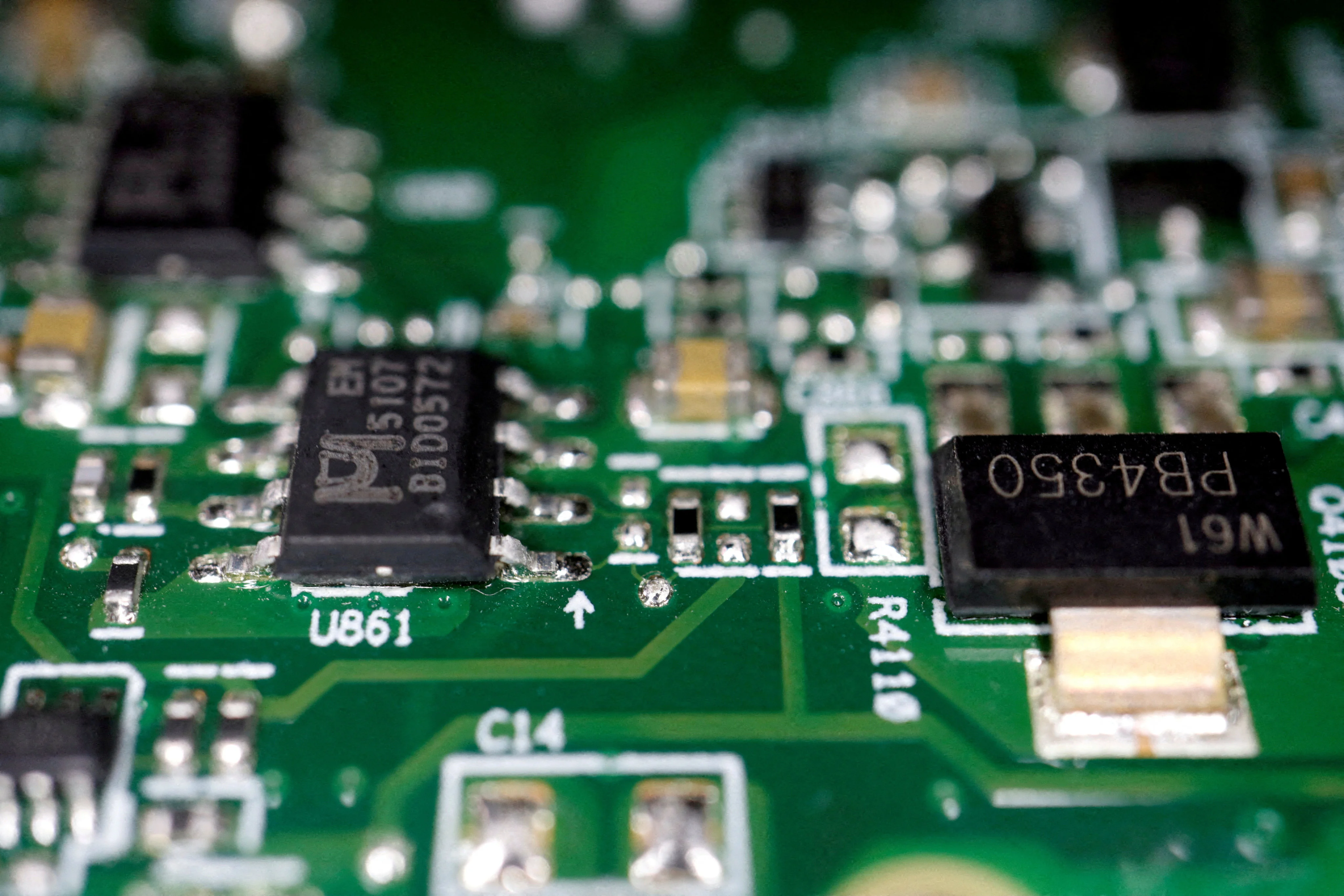
Taiwan manufactures over 90% of advanced semiconductors, with tech giants like Amazon, Google, and Microsoft sourcing chips from TSMC. Despite U.S. efforts to bolster its own semiconductor infrastructure through the CHIPS Act, which allocates funding to domestic production, alternatives to TSMC’s advanced production capacity remain limited. U.S.-based Intel has faced delays and competition challenges, although its new U.S. foundries are expected to benefit from CHIPS Act funding.

The Biden administration has directed nearly $7 billion from the U.S. Commerce Department toward TSMC’s Arizona facility, expected to start volume production by 2025. However, Trump’s comments on foreign companies potentially misusing U.S. funds reflect concerns over U.S. reliance on Taiwan’s chip output.

Tariff and Trade War Implications

Trump’s proposal for tariffs on Taiwanese chips could create cost increases across the chip supply chain. Citi analysts estimate that implementing tariffs would require complex audits, given the variety of chips across thousands of devices. Historically, similar tariffs led to increased costs and broader trade tensions, which, according to Moor Insights & Strategy CEO Patrick Moorhead, could elicit retaliatory tariffs from China. A new trade war might strain U.S.-China relations and further restrict companies like Micron, which already face barriers in the Chinese market.

Despite Trump’s stance, experts warn that even a victory by Vice President Kamala Harris would not exempt the industry from trade restrictions. Under the Biden administration, stringent export controls on semiconductor sales to China were implemented, particularly affecting Nvidia, whose revenue from China plummeted after controls reduced its China sales share from 25% to under 10%.

Outlook for U.S. Semiconductor Strategy

Trump’s criticisms reflect broader calls for self-reliance within the semiconductor sector, mirroring concerns over U.S. vulnerability due to Taiwan’s dominance in chip manufacturing. Proposals to further support domestic companies like Intel, Texas Instruments, and Global Foundries align with Trump’s America-first trade strategy, which could prioritize U.S. fabs and incentivize domestic chip production if he is re-elected.

U.S. tech markets remain volatile amid these policy uncertainties. Following Trump’s comments, semiconductor stocks reacted, with TSMC declining and U.S.-based chipmakers showing gains on the prospect of potential government backing. However, tariffs and trade restrictions could have sweeping consequences, potentially leading to higher costs and supply chain disruptions for the global tech sector.