Yazılar

Weakened but Powerful Typhoon Krathon Hits Taiwan, Killing Two

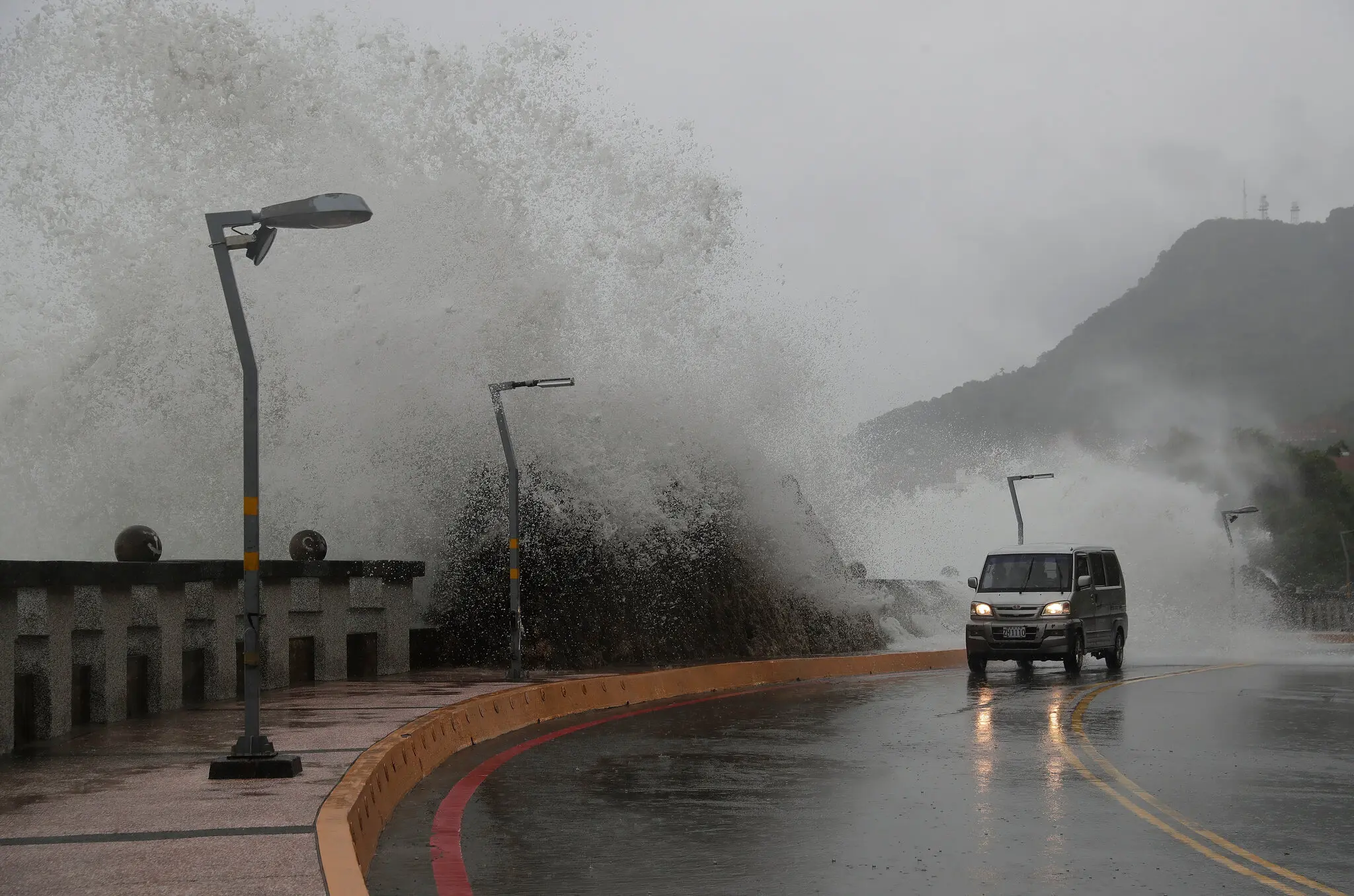
Typhoon Krathon, although weakened to a category 1 storm, hit southwestern Taiwan on Thursday, leaving two people dead and causing significant disruption across the island. Making landfall near Kaohsiung, a major port city, the storm brought with it heavy rain, strong winds, and dangerous storm surges. Despite the typhoon’s reduced intensity, authorities urged residents to remain indoors as gusts over 160 kph (100 mph) were recorded, with Kaohsiung’s port experiencing even stronger winds of more than 220 kph.

Kaohsiung Mayor Chen Chi-mai expressed concern about people continuing to venture outside despite the warnings, calling it “very dangerous” to be on the streets with such severe weather conditions. The storm led to widespread disruptions, grounding hundreds of flights, closing financial markets for a second day, and halting high-speed rail services between central and southern Taiwan.

Tragically, the typhoon has claimed two lives so far. One man fell while trimming a tree, and another died when his vehicle was hit by a falling rock. Both incidents occurred on Taiwan’s eastern, mountainous regions, which have been hit particularly hard by torrential rain, causing landslides and road blockages.

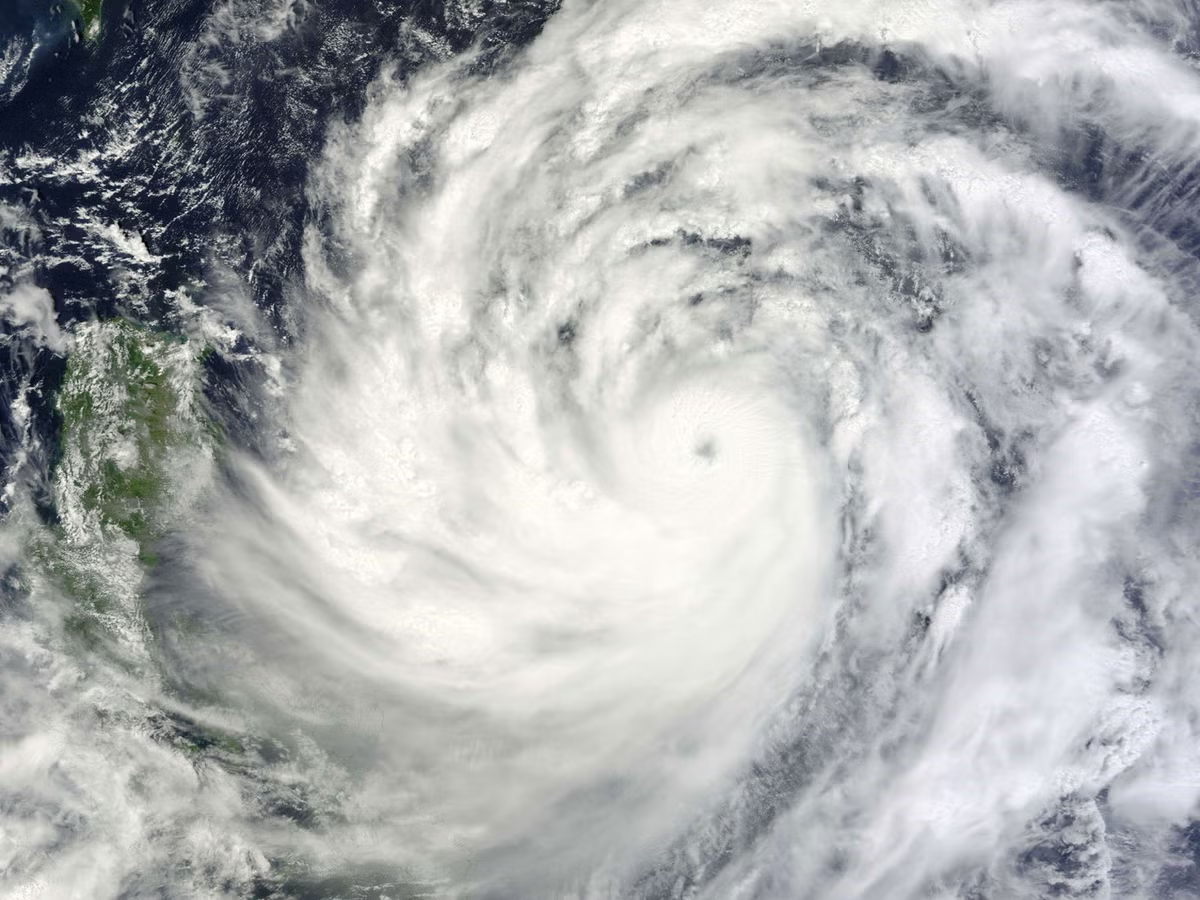
Although Taiwan is no stranger to typhoons, Krathon’s path was unusual. The storm hovered off the coast for some time before making landfall on Taiwan’s west coast—a rarity in a region where storms typically strike the east. Local media has described Krathon as a “weird” storm due to its erratic behavior and unusual trajectory.

Amid the chaos, the Southern Taiwan Science Park, home to major semiconductor factories like TSMC, reported that operations were continuing as normal. However, heavy rainfalls exceeding 1.6 meters (5.2 feet) in parts of eastern Taiwan led to significant flooding and mudslides.

In an unrelated but tragic incident, six people died in a hospital fire in Pingtung County. Efforts were made to evacuate patients as authorities worked through the storm to manage the disaster.

Typhoon Krathon is expected to weaken into a tropical depression by Friday as it continues moving north, but authorities remain on alert for further impacts.


Taiwan Mobilizes Troops and Prepares for Storm Surge as Powerful Typhoon Krathon Approaches

On Tuesday, Taiwan took extensive precautions ahead of the powerful Typhoon Krathon, mobilizing nearly 40,000 troops to support rescue efforts as the storm threatens to bring a significant storm surge along the island’s southwestern coast. The coast guard is also engaged in a search for 19 sailors who abandoned a sinking ship off Taiwan’s southeast coast.

Although Taiwan regularly experiences typhoons, Krathon is expected to make landfall on the more densely populated western plains, rather than the typical mountainous east coast. The typhoon is forecast to strike Kaohsiung, a major port city of 2.7 million people, on Wednesday afternoon before moving northeast across the island and heading out to the East China Sea. The U.S. Navy’s Joint Typhoon Warning Center has classified Krathon as a super typhoon.

Kaohsiung authorities have declared a public holiday, advising residents to stay indoors as the storm approaches with gusts exceeding 150 kph (93 mph). Taiwan’s Central Weather Administration (CWA) warns that heavy rains could cause severe flooding in coastal areas due to an anticipated storm surge and difficulty in discharging water.

Kaohsiung Mayor Chen Chi-mai compared the storm’s intensity to 1977’s Typhoon Thelma, which killed 37 people and devastated the city. The mayor urged residents to remain indoors and prepare for the worst-case scenario. “After the typhoon, the whole of Kaohsiung was without water and electricity, just like a war,” Chen said, recalling Thelma’s destruction.

As the city braces for the storm, fisherman Chen Ming-huang has been securing his boat in the harbor, fearing it could drift away if ropes snap under the storm’s pressure. Other residents are making preparations, such as practicing the rapid installation of metal barriers to prevent flooding in underground parking lots. “We will have only a few minutes to react if the flooding is coming,” said Chiu Yun-ping, a building committee member.

Taiwan’s defense ministry has placed over 38,000 troops on standby for rescue and recovery operations. Meanwhile, off the coast, the coast guard is racing to rescue 19 sailors from the cargo vessel Blue Lagoon, which was forced to abandon ship after water flooded its engine room. The crew, consisting of Ukrainians, Egyptians, and Russians, had set sail from China for Singapore.

The typhoon has also disrupted transportation across Taiwan, with domestic and international flights grounded, boats to outlying islands canceled, and some rail lines closed. In the city, most businesses have shuttered, and streets are largely deserted as residents hunker down for the storm.

Technology giant TSMC, which operates a large factory in nearby Tainan, has enacted its standard typhoon preparations and does not expect significant disruptions to its operations. However, residents near the Kaohsiung harbor are making their own emergency plans. “It’s a strong typhoon, and we are worried,” said local resident Chen Mei-ling, who has stocked up on torches and emergency food supplies.

India’s Path to Becoming a Semiconductor Powerhouse Faces Challenges, but Collaboration is Key

India is making bold strides toward establishing itself as a global semiconductor powerhouse, aiming for self-reliance in manufacturing. Prime Minister Narendra Modi has set ambitious goals, targeting a leap in the country’s electronics sector from $155 billion today to $500 billion by 2030. However, experts are divided on whether this target is feasible, with a consensus that India cannot achieve it on its own.

Eri Ikeda, assistant professor at IIT Delhi, highlights that India’s semiconductor journey is still in its early stages. Taiwan leads global semiconductor production with 44% market share, followed by China (28%) and other key players like South Korea and the U.S. Collaborative efforts are already in motion, such as Taiwan’s Powerchip Semiconductor partnering with Tata Electronics to build India’s first wafer fab in Gujarat, and American chipmaker Micron Technology planning to produce semiconductors in India by 2025.

India’s drive for semiconductor self-reliance is partly fueled by its growing role as a viable alternative to China for global supply chains. However, analysts caution that India must first learn the nuances of the semiconductor industry. Rishi Bhatnagar of the Institution of Engineering and Technology suggests that India should focus on collaboration rather than direct competition with China, which continues to invest heavily in semiconductor equipment from the U.S. and Japan.

India is strengthening ties with the U.S. to diversify its semiconductor sources. The U.S. Department of State has partnered with India’s Semiconductor Mission to bolster global semiconductor value chains, further fueled by geopolitical tensions with China. As a democratic nation with a growing English-speaking workforce, India is positioned as an attractive investment destination for tech giants like Apple and Google.

While infrastructure and investment challenges remain, India has advantages such as a low labor cost and a young workforce. The country is also making significant improvements in its infrastructure, with plans to modernize highways, railways, and airports. These developments are crucial as India positions itself to cater to the increasing global demand for semiconductors.

Despite the hurdles, optimism persists. Analysts see India’s potential to meet global chip demands while maintaining lower production costs, offering a competitive edge over China. Samir Kapadia, CEO of India Index, emphasizes India’s unique combination of economic stability, workforce potential, and infrastructure development, making it a strong contender in the global semiconductor race.