Yazılar

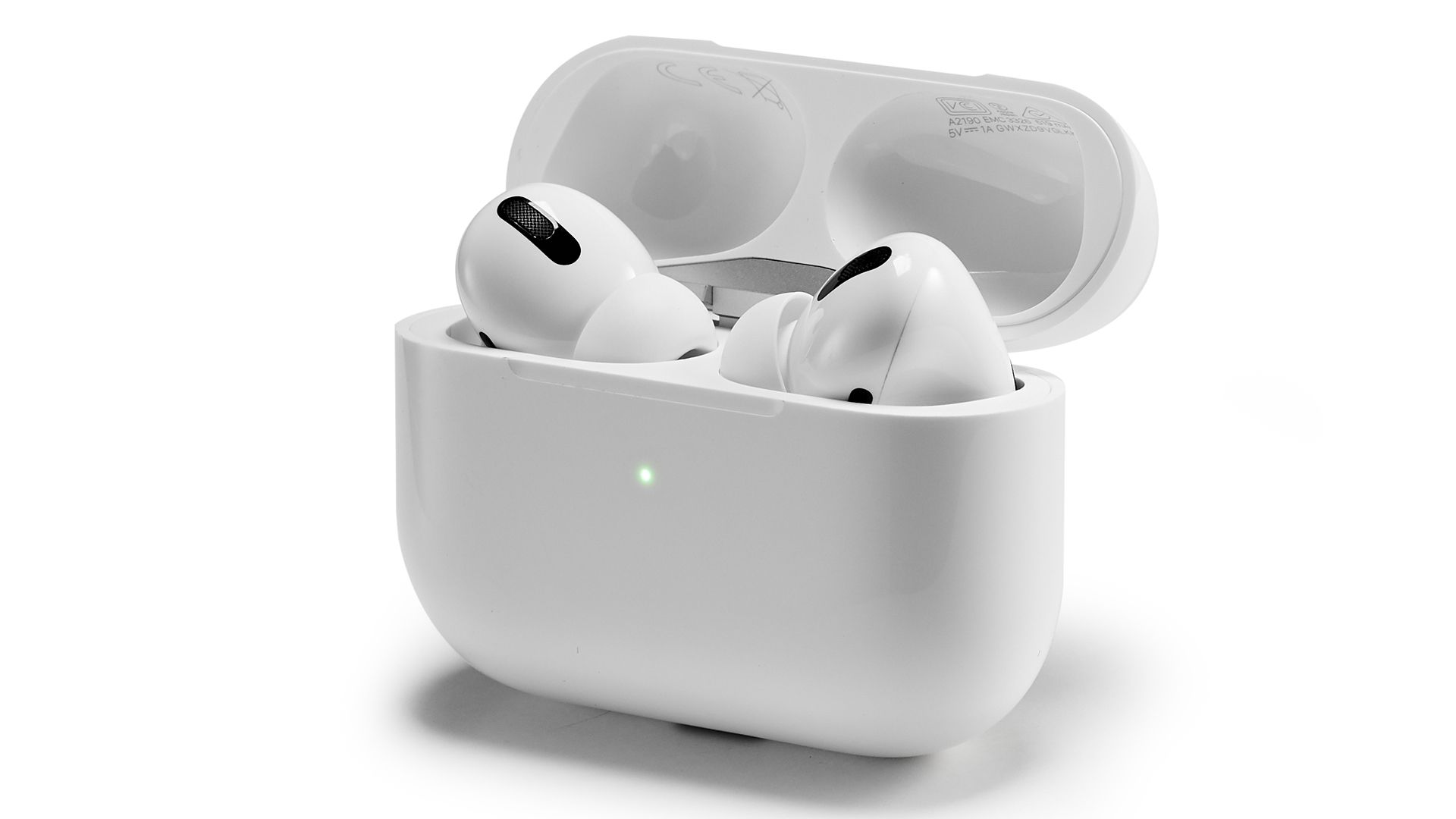
Apple to Introduce Live Translation Feature for AirPods

Apple is working on a new feature for its AirPods that will enable the device to live-translate conversations into another language, according to a Bloomberg News report on Thursday. This innovative feature is expected to be rolled out as part of a software upgrade later this year, coinciding with the launch of the iOS 19 update for its mobile operating system.

While Google’s Pixel Buds have offered a similar translation feature for years, this marks a significant move by Apple to integrate language translation capabilities into its popular AirPods lineup. The feature would allow users to have real-time translations of conversations, enhancing communication between speakers of different languages.

Apple did not immediately respond to a request for comment. The company had previously announced that its AirPods Pro 2 could be transformed into a personalized hearing aid through software updates. This live translation feature is part of Apple’s broader efforts to overhaul its software and introduce new features for its devices, including iPhones, iPads, and Macs, later this year.

TSMC Proposes Joint Venture with Intel’s Foundry Division to Nvidia, AMD, and Broadcom

TSMC (2330.TW) has pitched the idea of a joint venture involving Intel’s (INTC.O) foundry division to major U.S. chip designers, including Nvidia (NVDA.O), Advanced Micro Devices (AMD.O), and Broadcom (AVGO.O), according to sources familiar with the discussions. Under the proposal, TSMC, the world’s leading contract chipmaker, would oversee Intel’s foundry operations, which focus on manufacturing chips tailored to customer needs, but TSMC would retain no more than 50% ownership.

The proposal has been discussed with several other firms as well, including Qualcomm (QCOM.O), as part of TSMC’s efforts to partner with chip designers. The discussions are still in their early stages, and any potential deal would require approval from the U.S. government, particularly under the administration of President Donald Trump, who has shown interest in helping Intel recover from its financial struggles. Trump is particularly invested in boosting American manufacturing and supporting companies like Intel in remaining U.S.-owned.

Intel, which reported an $18.8 billion net loss for 2024, has seen a drastic decline in its stock price over the past year. As of December 31, the book value of Intel’s foundry division’s property and plant equipment stood at $108 billion. The company’s recent struggles have pushed its board members to consider various strategic moves, including partnering with TSMC for its foundry operations.

Despite some internal opposition, Intel’s board members have expressed support for exploring a joint venture with TSMC, with Intel’s executives holding different views on the matter. Intel’s foundry division, once a crucial part of Intel’s strategy under former CEO Pat Gelsinger, is now central to the company’s efforts to return to profitability, even as Gelsinger was replaced by interim co-CEOs in December.

TSMC’s push for a joint venture is complicated by the significant differences in manufacturing processes and technologies between the two companies. Intel and TSMC currently employ distinct chipmaking methods, which could pose challenges in aligning operations. Intel has previously partnered with Taiwan’s UMC (2303.TW) and Israel’s Tower Semiconductor (TSEM.TA), offering some precedent for potential collaboration, but the specifics of how such a partnership could function remain uncertain, especially regarding the sharing of trade secrets.

While TSMC’s interest is to involve Intel’s advanced manufacturing customers in the venture, discussions have also centered around Intel’s 18A manufacturing process, a key area of contention in the negotiations. Intel executives have claimed that its 18A technology surpasses TSMC’s 2-nanometer process, with Nvidia and Broadcom already testing Intel’s manufacturing capabilities, alongside AMD exploring the potential of Intel’s processes for its chips.

Solar Sail Satellites May Revolutionize Space Weather Forecasting and Early Alerts

Satellites equipped with solar sails could significantly improve space weather forecasting, offering early warnings for events like geomagnetic storms that can damage critical infrastructure on Earth. Solar sails, which use sunlight for propulsion, are being explored as a more cost-effective and efficient alternative to traditional propulsion systems. Researchers believe that these sails could enhance the monitoring of solar activity, providing quicker and more accurate alerts for space weather events that affect power grids, satellite operations, GPS systems, and even air traffic. Unlike current space weather forecasting systems, which rely on fixed observation points, solar sail technology could offer more flexible positioning for improved data collection.

The potential for solar sail-equipped satellites to revolutionize space weather forecasting lies in their ability to travel beyond traditional locations in space. As reported by Space.com, solar sails could allow spacecraft to venture past the Earth-sun Lagrange Point One (L1), a stable region approximately 1.5 million kilometers from Earth where most solar observation satellites are currently stationed. The National Oceanic and Atmospheric Administration’s (NOAA) Office of Space Weather Observations, which manages these satellite systems, recognizes the advantages of solar sail technology in expanding the range and flexibility of space weather monitoring.

Irfan Azeem, Division Chief at NOAA’s Research to Operations and Project Planning Division, highlighted the key benefit of solar sails in improving space weather forecasts. Solar sails can enable satellites to travel upstream of L1, allowing them to gather data more efficiently than traditional chemical propulsion systems. This improvement in satellite movement would result in faster retrieval of data and the potential to increase the lead time for geomagnetic storm alerts by up to 50 percent, giving industries and agencies more time to prepare for potential disruptions.

As space weather events become an increasing concern due to their potential impact on modern technology, the development of solar sail technology for satellites represents a significant leap forward in our ability to predict and respond to these phenomena. By providing more precise and timely alerts, solar sail-powered satellites could help mitigate risks and safeguard Earth’s technological infrastructure from the damaging effects of space weather.