Yazılar

Mysterious Drone Sightings in New Jersey Raise Questions About Big Drones

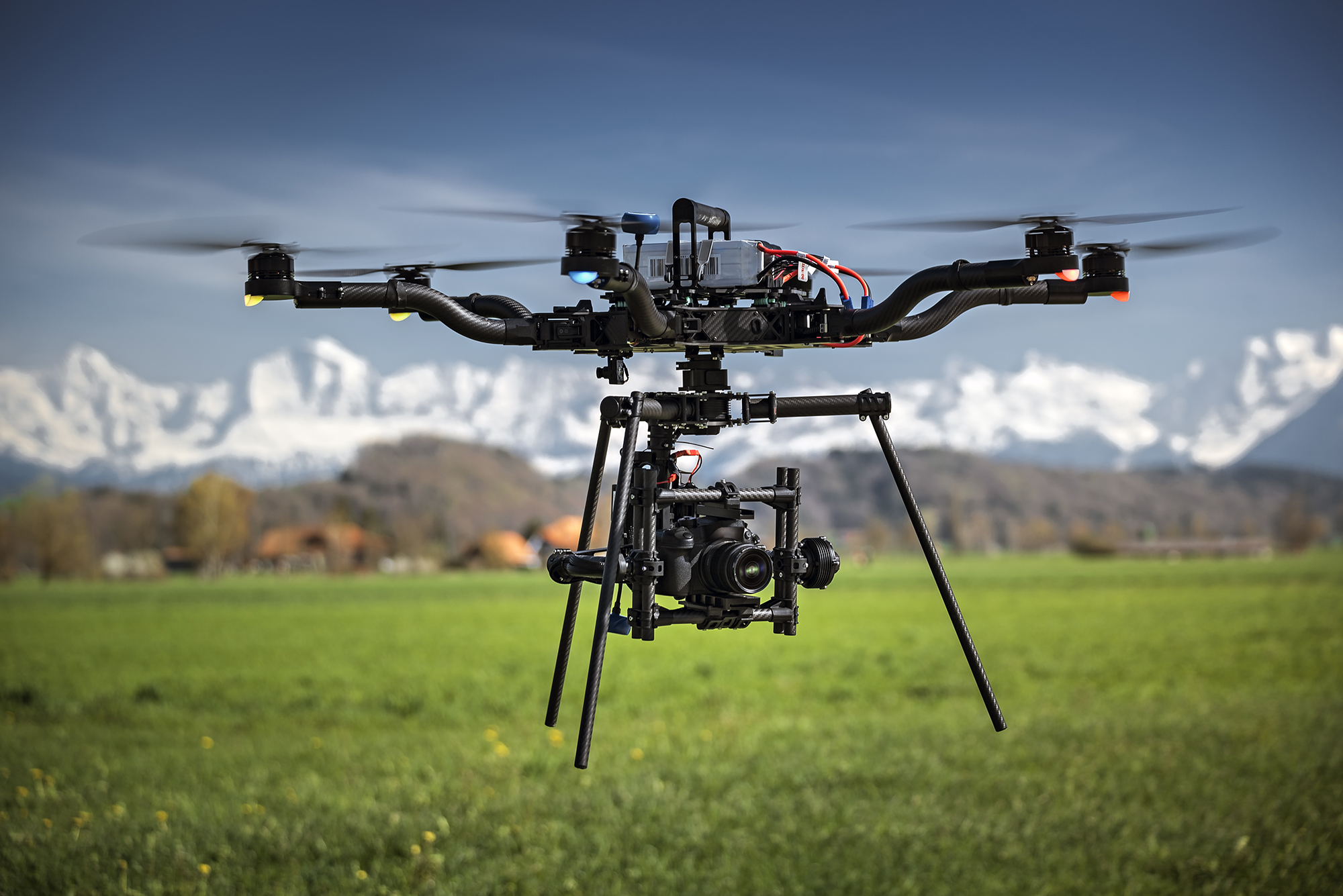
Recent reports of large drones flying over New Jersey have sparked a mix of intrigue and concern. Residents have described sightings of drones the size of small cars flying at night, often in clusters. While law enforcement agencies, including the FBI, work to confirm the nature of these objects and determine whether they are indeed drones or misidentified aircraft, experts suggest large drones are increasingly common and serve various purposes.

The sightings have been concentrated in Morris and Somerset counties, part of the New York metropolitan area. On December 3, the FBI field office in Newark acknowledged that reports from the public and law enforcement had been received for several weeks. Some residents claim to have seen objects exhibiting unusual flight patterns, such as rapid directional changes, that would be difficult for conventional planes to replicate.

Despite the intrigue surrounding the mysterious sightings, the U.S. Coast Guard, which operates under the Department of Homeland Security, also reported encounters with the objects. However, both the Department of Homeland Security and White House officials have clarified that many of the sightings were determined to be “manned aircraft” operating legally. According to John Kirby, a national security spokesperson, there is currently no evidence linking these incidents to national security or public safety threats.

Nonetheless, local officials, including New Jersey Governor Phil Murphy, have expressed frustration over the lack of answers. Murphy has pressed federal authorities for further clarification, especially after residents voiced concerns over the objects’ erratic movements.

While it’s still unclear what these mysterious objects are, experts emphasize that large drones do exist and are increasingly used for commercial, military, and industrial purposes. Ryan Wallace, an associate professor of aeronautical engineering at Embry-Riddle Aeronautical University, explained that drones have a wide range of uses, from agriculture and infrastructure surveying to law enforcement search-and-rescue missions. However, drones larger than 55 pounds require special approval from the Federal Aviation Administration (FAA), and they can cost tens of thousands of dollars.

Though large drones are most commonly used for commercial and military purposes, some have been employed for transportation, such as deliveries, or even surveillance. The military utilizes drones equipped with a variety of sensors for surveillance tasks, including infrared cameras. Experts predict that in the future, even larger drones, such as those capable of transporting people, may enter the skies. However, these will require extensive FAA approvals before becoming widespread.

For now, while the mysterious New Jersey sightings remain unexplained, experts are clear that large drones have a range of potential uses and are becoming an increasingly familiar sight in many sectors.
 

NASA Restores Contact with Voyager 1, But Its Power Supply is Dwindling

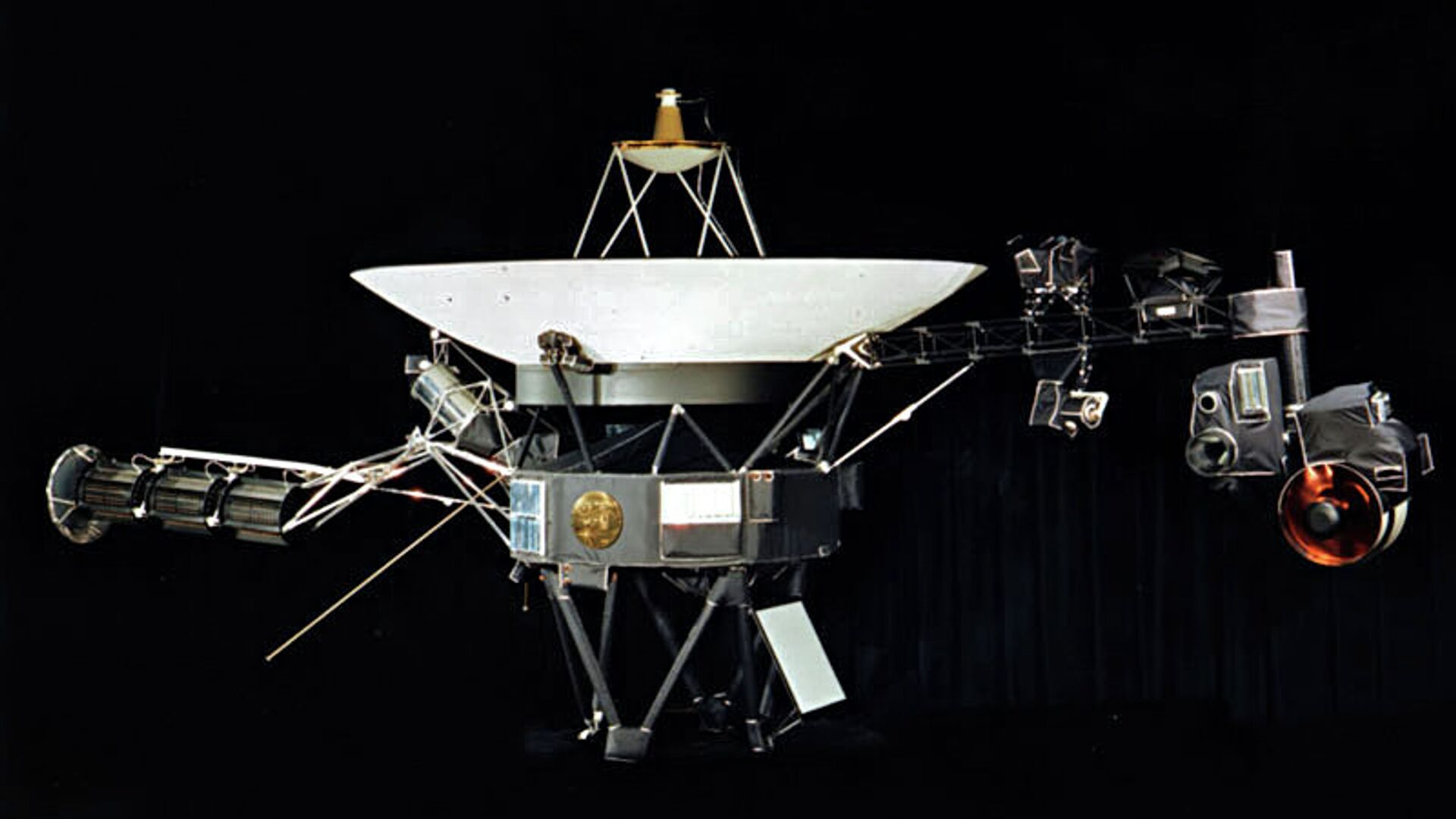
NASA engineers have successfully re-established contact with Voyager 1, which is currently located 15.4 billion miles (24.9 billion kilometers) from Earth, marking a crucial recovery after weeks of communication blackout. The issue began in October when Voyager 1 switched from its primary X-band radio transmitter to a weaker S-band transmitter due to a power shortage. This change, prompted by a command to activate a heater, led to difficulties in receiving data from the spacecraft.

The autonomous transmitter switch caused nearly a month of silence, but NASA engineers managed to restore the X-band transmitter in early November. The spacecraft is now operating normally, resuming its scientific observations and data transmission.

Voyager 1, launched in 1977 as part of NASA’s mission to explore the outer planets, has far outlived its original mission. Now in interstellar space, it continues to send valuable data despite a steadily decreasing power supply. The spacecraft’s plutonium-powered thermoelectric generators lose about 4 watts of power annually, equivalent to the energy used by a small light bulb. This gradual power decline has led the mission team to turn off non-essential systems over the years, ensuring the remaining instruments can continue to operate for as long as possible.

However, challenges persist. The spacecraft’s power situation is increasingly uncertain, as seen when the fault protection system was triggered by the heater command. This issue highlights the limitations of the spacecraft’s power models and suggests that the probe’s ability to maintain its current operations is becoming more precarious.

Despite these hurdles, the Voyager mission team remains determined to keep the spacecraft functioning as long as possible. Both Voyager 1 and its twin, Voyager 2, have far exceeded their expected lifespans, providing unprecedented data from the distant reaches of our solar system and beyond.

Currently, only four instruments remain operational on each probe, studying plasma, magnetic fields, and particles in interstellar space. These observations offer invaluable insights into an uncharted region of space, and while the loss of some science data during the transmitter outage is regrettable, the mission team is more focused on extending the operational life of these instruments.

As Voyager 1 continues its journey into the unknown, the mission team is working to make the most of every remaining watt of power. With each passing year, they are faced with tough decisions on which systems to keep running, as the spacecraft edges closer to the end of its mission.


Cyborg Cockroaches: The Future of Search and Rescue Robots

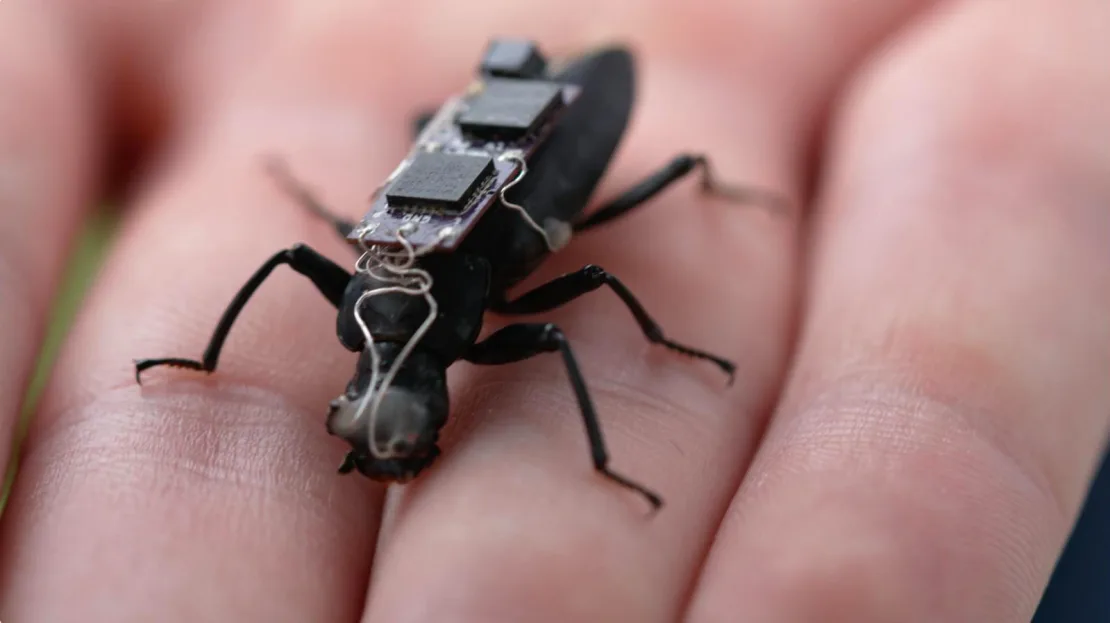
Researchers at the University of Queensland are creating cyborg insects that could revolutionize search and rescue operations. By implanting tiny circuits into the backs of beetles, they are crafting biohybrids—part-living, part-machine robots that could help in situations where human access is impossible, such as after natural disasters like earthquakes or bombings.

Lachlan Fitzgerald, a student studying mathematics and engineering, is leading the project. The beetles are outfitted with backpack-like devices that send electrical pulses to their antennae, allowing Fitzgerald to control their movements. This technology harnesses the insects’ natural agility, enabling them to navigate tight and hazardous environments with ease. Fitzgerald envisions a future where swarms of cyborg beetles could be deployed in disaster zones to find survivors or deliver life-saving drugs before human rescuers can safely enter.

The project also involves implanting control backpacks on giant Australian burrowing cockroaches and darkling beetles. These species are chosen for their adaptability and ability to navigate complex environments, making them ideal candidates for disaster response. Unlike traditional robots, insects can navigate with little computational effort, making them more efficient in unpredictable, real-world situations.

Despite their small size, cyborg insects could play a significant role in saving lives by quickly locating survivors in disaster zones and delivering essential aid. However, Fitzgerald acknowledges that there are still challenges to mastering the control of these insects, and it may take years before this technology is fully operational.

Fitzgerald is not the only researcher experimenting with biohybrid robots. At the California Institute of Technology (Caltech), researchers have implanted pacemakers into jellyfish to control their swimming and gather data from the deep ocean. Meanwhile, researchers at Cornell University have used king oyster mushrooms to control robots, which could be used for environmental sensing, like detecting soil chemistry for crop management.

While the rise of biohybrid robots sparks debates about ethical concerns, Fitzgerald and his team argue that the potential benefits, such as saving lives in urban disaster zones, outweigh the risks. He also assures that the beetles used in the project have normal life expectancies and aren’t harmed by the technology. However, he acknowledges the need for ongoing ethical discussions and proper regulation in this emerging field.