Yazılar

Xreal Unveils New AR Glasses with Self-Designed Chip to Compete with Meta and Snap

Xreal, a company backed by Alibaba, launched its latest augmented reality (AR) glasses on Wednesday, aiming to rival competitors like Meta and Snap in the growing AR market.

The new Xreal One Series features the X1 chip, the company’s first self-designed processor. This development marks a significant enhancement in the glasses’ capabilities, eliminating the need for a companion device previously required to connect to phones, laptops, or gaming consoles. With the new chip, users can now see their content on a massive digital screen directly in front of them, without relying on external devices like the previous Beam accessory.

Chi Xu, CEO of Xreal, called the X1 chip “the biggest upgrade in Xreal history and probably the biggest upgrade for the entire consumer AR glasses sector,” adding that the three-year development process was crucial for making the product more competitive. Xu emphasized that the company needed a custom chip to unlock new features and differentiate itself from the competition.

Xreal, one of the leading companies in the AR glasses market, faces tough competition from other tech giants like Snap, which introduced new Spectacles in September, and Meta, which continues to push its Meta Ray-Ban partnership. Additionally, Qualcomm is collaborating with Google and Samsung on their own AR glasses.

Unlike Meta’s headsets, which are large and costly, Xreal is betting on glasses as the future of AR for mass-market adoption. “People have started to realize a headset doesn’t make sense, we need to go to lighter form factors to the glasses category,” said Xu. However, he acknowledged that the challenge is delivering a headset-like experience in a much smaller, more portable form factor.

The Xreal One and Xreal One Pro glasses start at $499 and $599, respectively.

Although AR technology has generated a lot of buzz in recent years, the market has yet to explode. High-cost and uncomfortable large headsets have failed to take off, and companies like Xreal and Meta are focusing on making glasses more compelling. However, the lack of content and clear use cases remains a hurdle for wider adoption. Xu stressed that developing good hardware is essential to attracting developers and creating the ecosystem necessary for AR to thrive.

Looking ahead, Xu projected that Xreal will sell 500,000 units of its previous products by 2025, nearly doubling this year’s sales.
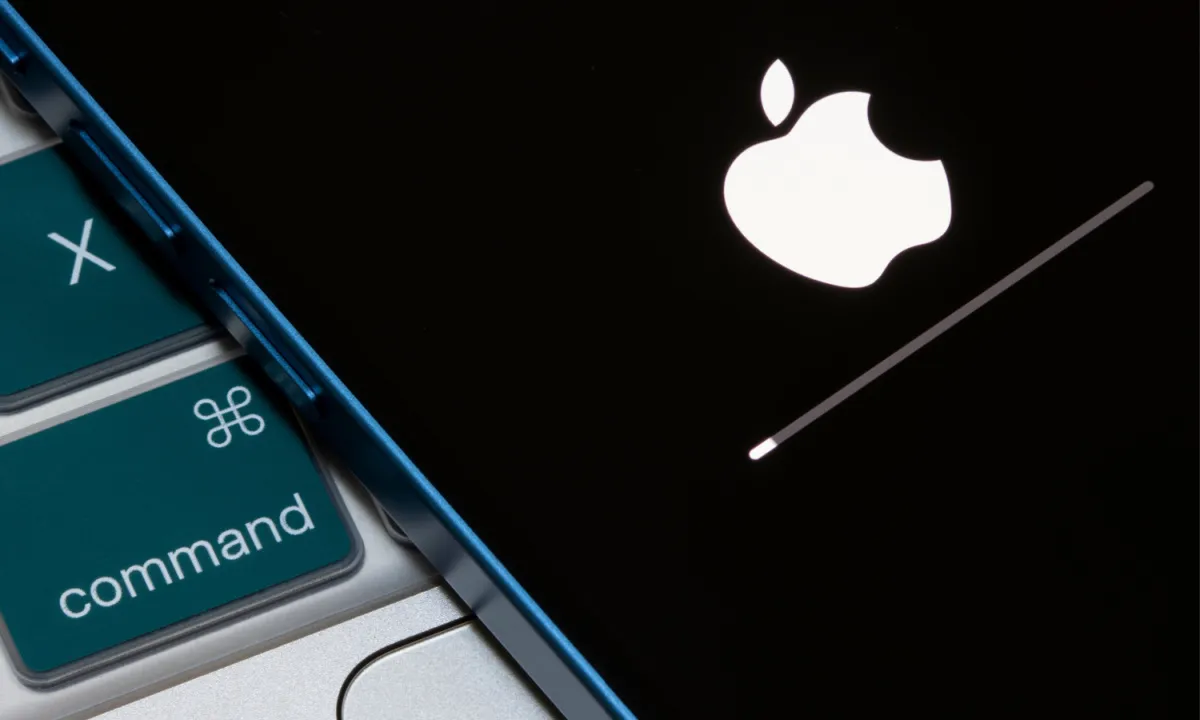

 

Apple Hit with UK Class Action Lawsuit Over Alleged Data Storage Mismanagement

Apple is facing a class action lawsuit in the UK, filed by the consumer group Which? Ltd., accusing the tech giant of breaching competition laws through its alleged monopoly on data storage services. The lawsuit claims that Apple has made it difficult for consumers to use alternatives to its iCloud service for storing personal data, such as photos and videos. This legal challenge could potentially result in significant financial repercussions for Apple if the court finds that its actions stifle competition and harm consumers.

The lawsuit was filed at London’s Competition Appeal Tribunal, where lawyers from Willkie Farr & Gallagher argue that Apple’s dominant position in the data storage market has resulted in unfair practices. The complaint highlights that Apple has intentionally restricted access to alternative storage services, making it harder for users to choose other options without facing obstacles. The case specifically focuses on iCloud, the company’s cloud storage solution, which is deeply integrated into Apple’s ecosystem, giving it a competitive edge over third-party providers.

This legal battle forms part of a growing trend in the UK, where the opt-out class-action system has been used by consumer groups to challenge the market dominance of major global companies, particularly in the tech industry. The claim suggests that Apple’s actions may have led to inflated pricing and limited choice for consumers, who are effectively locked into using Apple’s service for data storage. This kind of class action lawsuit has become an increasingly popular method for holding large corporations accountable for practices perceived as anti-competitive.

Though none of the recent class-action cases have gone to full trial yet, the potential outcome of this case could have wide-reaching consequences. If successful, the lawsuit could result in Apple being forced to alter its business practices, potentially allowing more freedom for consumers to use alternative data storage solutions without undue restrictions. The financial cost to Apple could also be substantial, with billions of pounds in damages potentially being awarded to affected consumers.

NASA’s Roman Space Telescope Upgraded with New Coronagraph to Detect Exoplanets

In October 2024, NASA’s Jet Propulsion Laboratory achieved a significant milestone by successfully integrating the Roman Coronagraph Instrument onto the Nancy Grace Roman Space Telescope, which is scheduled for launch in May 2027. This cutting-edge coronagraph is designed to detect exoplanets that are incredibly faint—up to 100 million times dimmer than their parent stars—by blocking out the overwhelming light from the stars. This breakthrough technology paves the way for future missions aimed at finding Earth-like planets in distant solar systems, making this integration a critical step in advancing exoplanet research.

The Roman Coronagraph, about the size of a baby grand piano, is a complex system composed of masks, prisms, and mirrors working together to block starlight. According to Rob Zellem, Deputy Project Scientist for the Roman Telescope, the instrument’s primary goal is to demonstrate the technologies needed for upcoming space missions such as the proposed Habitable Worlds Observatory, which aims to search for planets capable of supporting life. This crucial piece of technology was installed at NASA’s Goddard Space Flight Center, where it was integrated with the Telescope’s main frame, known as the “skeleton” of the observatory. The final integration will see it paired with the Wide Field Instrument, the Roman’s primary science tool, completing the telescope’s core functionality.

Historically, most exoplanet discoveries have been made using the transit method, where astronomers detect the slight dimming of a star’s light as a planet passes in front of it. However, this method is limited by the rare alignments of planetary orbits. The coronagraph-equipped Roman Space Telescope will go beyond this constraint by using direct imaging, allowing scientists to observe exoplanets without waiting for a transit event. This technique, known as coronagraphy, has been tested on the ground with some success, such as with the HR 8799 star system. But the Roman Coronagraph’s advanced capabilities promise to provide unprecedented sensitivity, offering a new way to study distant worlds in space.

With this new coronagraph, the Roman Space Telescope will significantly enhance our ability to directly image exoplanets, marking a major step forward in the search for habitable planets outside our solar system. By blocking out the blinding light of stars, it opens the door to studying planets that were previously too faint to observe, potentially identifying new candidates for life-supporting worlds. As the telescope nears its 2027 launch, the coronagraph will play a pivotal role in shaping the future of space-based exoplanet exploration.