Yazılar

Nvidia Regains Title as Most Valued Company in June on AI Optimism

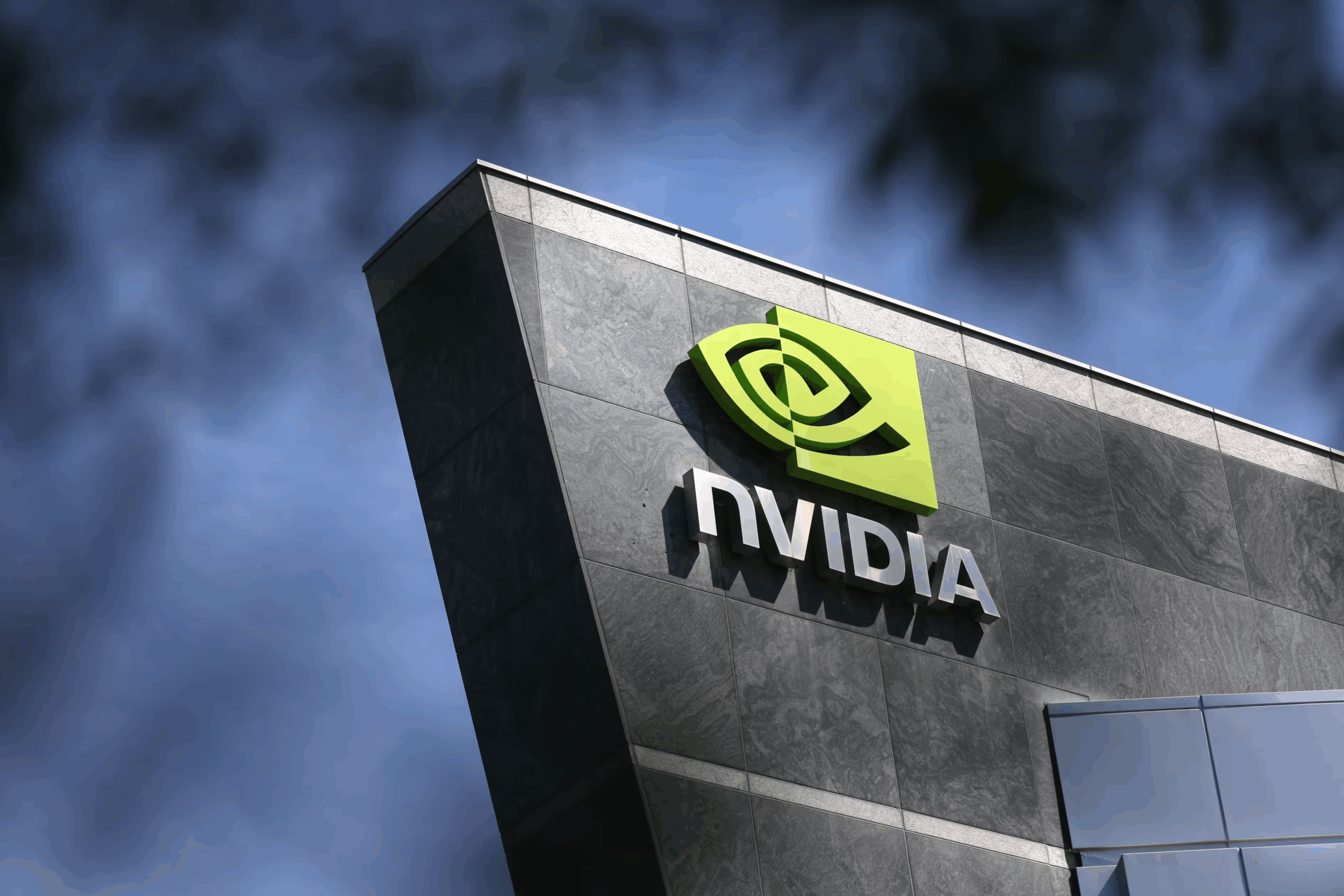
Nvidia reclaimed its position as the world’s most valuable company by market capitalization in June, reaching $3.86 trillion, driven by renewed investor optimism over its AI leadership and rising demand for its AI chips. This valuation was about 4.3% higher than Microsoft’s $3.69 trillion market cap at the end of June.

Despite this, Nvidia’s value remains below Apple’s record high of approximately $3.92 trillion set in December 2024. Apple ranked third with a market capitalization of $3.1 trillion at the end of June.

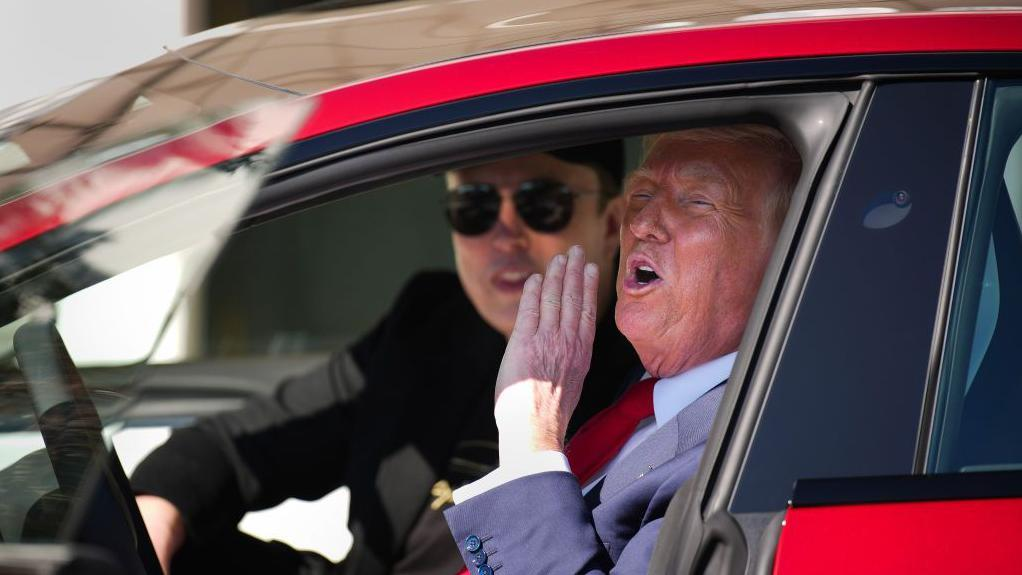
Other tech giants also saw significant gains: Meta Platforms rose 14% to $1.86 trillion, Broadcom increased 13.9% to $1.3 trillion, and Amazon grew 7% to $2.33 trillion. Meanwhile, Tesla’s market value dropped 8.3% to $1.02 trillion, affected by CEO Elon Musk’s public conflict with former President Donald Trump.

Daniel Ives, an analyst at Wedbush Securities, forecasted that Nvidia and Microsoft would both surpass $4 trillion market caps this summer, with a focus on reaching the $5 trillion mark over the next 18 months, signaling that the tech bull market is still in its early phase, led by the AI revolution.

India Rebukes X Over “Tom, Dick, and Harry” Remark in Ongoing Court Battle on Content Takedowns

A legal clash between Elon Musk’s X (formerly Twitter) and the Indian government intensified on Tuesday after X’s lawyer made a controversial remark suggesting that “every Tom, Dick, and Harry” government official could issue takedown orders on online content. The statement drew a sharp and immediate rebuke from India’s Solicitor General Tushar Mehta, escalating a long-standing standoff over digital content regulation.

The remark came during a hearing at the Karnataka High Court, where X is challenging a government-run website that it alleges serves as a “censorship portal.” The Indian government, however, defends the portal as a tool for swiftly notifying social media platforms of legal obligations under content moderation laws.

X’s lawyer, K.G. Raghavan, cited a recent example where the Indian Railways ordered the takedown of a video showing a car being driven on a railway track—content X considered newsworthy. “This is the danger… if every Tom, Dick, and Harry officer is authorised,” he argued.

Solicitor General Mehta strongly objected, stating, “Officers are not Tom, Dick, or Harry… they are statutory functionaries.” He further defended India’s regulatory approach, saying, “No social media intermediary can expect completely unregulated functioning.”

The Indian Information Technology Ministry and X did not issue public responses to Reuters’ inquiries following the courtroom exchange.

India has become a strategically important market for Musk’s expanding empire, particularly with upcoming plans to launch Starlink and Tesla in the country. However, X’s friction with Prime Minister Narendra Modi’s administration over content moderation continues to cast a shadow over those ambitions.

The roots of the conflict trace back to 2021, when X refused to comply with Indian orders to block specific tweets. Although it eventually yielded to the demands, the platform has continued to contest the legality of those directives in Indian courts.

Tuesday’s court exchange underscores the ongoing tension between tech giants and sovereign governments over who has the final say in regulating online content—and how far that power should extend.

Trump-Musk Clash Triggers Scrutiny Fears Across Tesla, SpaceX, and Other Ventures

Former U.S. President Donald Trump’s call to review subsidies awarded to Elon Musk’s companies has sparked concerns of heightened regulatory scrutiny across the billionaire’s business empire, which spans automotive, space, energy, brain tech, and social media. The threat of government intervention may disrupt operations or stall innovation in several of Musk’s ventures. Here’s a breakdown of the U.S. agencies involved:

National Highway Traffic Safety Administration (NHTSA)
Tesla is under continued investigation by the NHTSA, especially concerning its advanced driver assistance systems. The agency is reviewing incidents involving Tesla’s robotaxi service in Austin, including videos showing vehicles misbehaving in traffic and in adverse weather. These inquiries extend broader probes into Tesla’s Full Self-Driving (FSD) technology, particularly related to safety during poor visibility.

Federal Communications Commission (FCC)
The FCC has begun reviewing its spectrum sharing policies, which could affect SpaceX’s Starlink satellite internet service. SpaceX is seeking new spectrum access to expand satellite coverage, but decades-old limits on signal power remain a barrier. The review could influence future Starlink deployments and broadband expansion goals.

Food and Drug Administration (FDA)
Neuralink, Musk’s brain implant startup, falls under the FDA’s oversight. After an initial rejection due to safety concerns, the FDA granted clearance for clinical trials, which are currently underway in the U.S. Neuralink is also exploring trials in Canada. The FDA will decide if Neuralink’s implants can eventually be marketed.

Environmental Protection Agency (EPA)
The EPA monitors SpaceX’s wastewater output at its Texas launch site and coordinates with other federal agencies under the National Environmental Policy Act. SpaceX’s rocket activities must pass environmental impact assessments to ensure compliance with land, water, and wildlife protection standards.

Federal Aviation Administration (FAA)
In September, the FAA proposed a $633,000 fine against SpaceX for violating licensing requirements before two 2023 launches. The FAA continues to investigate the company’s safety compliance, especially after repeated rocket explosions. Additional restrictions may follow.

Securities and Exchange Commission (SEC)
Musk is facing litigation from the SEC related to his 2022 acquisition of Twitter (now X). The agency has also probed Neuralink’s compliance and transparency, according to a December 2023 letter from Musk’s attorney, posted on X.

Federal Trade Commission (FTC)
The FTC oversees data and privacy protections at Musk’s social media platform, X. The agency is also investigating antitrust allegations, reviewing whether media watchdog groups coordinated an advertiser boycott that Musk claims is illegal.

Regulatory Risk Outlook
Trump’s renewed focus on Musk’s government support could pave the way for increased enforcement or changes to existing subsidies, affecting growth trajectories across his enterprises. With Musk already under the microscope at multiple agencies, the political escalation adds another layer of complexity.