Yazılar

Tesla Board Floats Unprecedented $1 Trillion Pay Package for Elon Musk

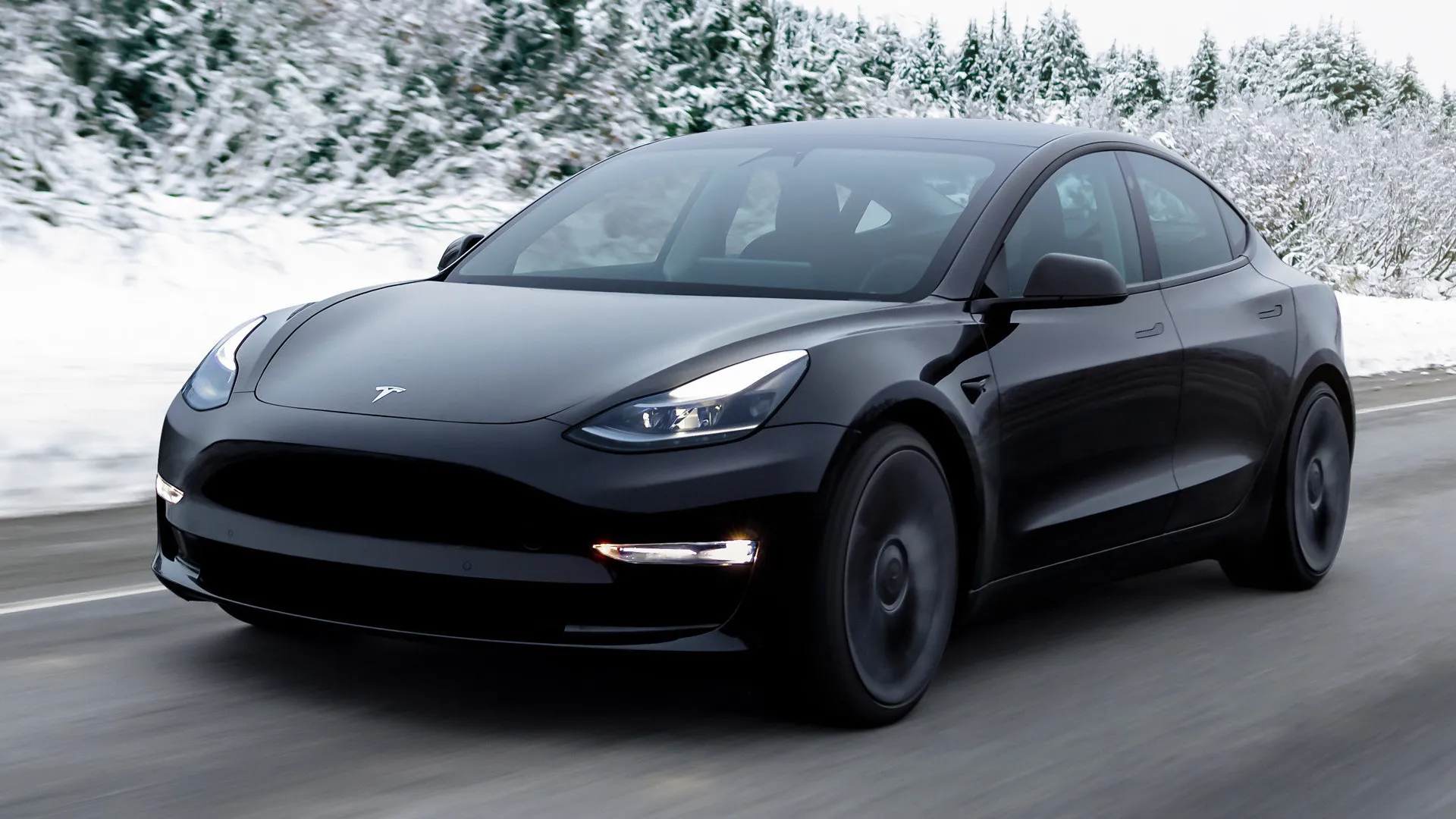
Tesla’s board has proposed a record-breaking $1 trillion compensation package for CEO Elon Musk, an award that would dwarf any executive pay deal in history. The package hinges on Musk boosting Tesla’s valuation nearly eightfold to around $7.5 trillion over the next decade. If fully earned, it would significantly expand his voting power beyond his current 13% stake, further cementing his influence over the company.

The plan underscores Tesla’s reliance on Musk’s leadership as the company faces slowing electric vehicle demand, intensifying competition from China, and mounting pressure to deliver on its AI-driven ambitions in robotaxis and humanoid robots.

Reactions from analysts and investors have been sharply divided:

  • Supporters argue the structure ties Musk’s rewards to ambitious but potentially transformative growth targets. Some say shareholders stand to benefit if even part of the package is achieved.

  • Critics describe the scale as excessive and a sign of weak corporate governance, especially given Tesla’s recent challenges and Musk’s distractions outside the company. Concerns also loom over litigation risk, given that Musk’s prior $56 billion package was struck down by a Delaware court.

  • Others note the package reflects Tesla’s belief that Musk’s vision and presence are its most critical assets—even more than factories or technology.

The proposal has also raised alarms about precedent, with some observers warning it could normalize “adding extra zeros” to executive pay packages across corporate America. With shareholder approval and potential regulatory scrutiny ahead, the outcome could reshape both Tesla’s future and broader debates on CEO compensation.
Tesla Refocuses AI Chip Development, Elon Musk Confirms Shift Away from Dojo Supercomputer Team

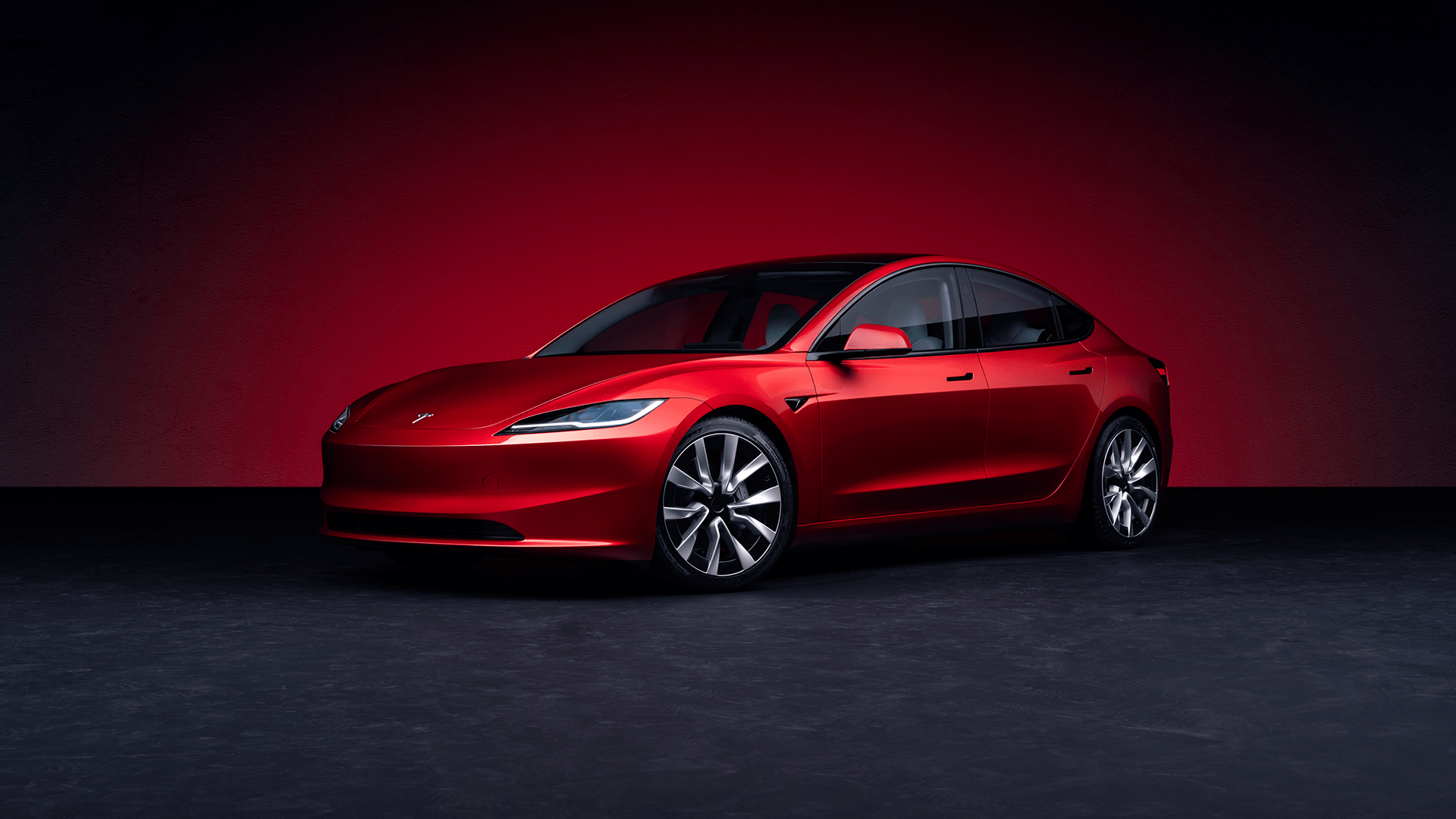
Tesla CEO Elon Musk announced that the company will streamline its AI chip research to concentrate primarily on developing inference chips designed to run AI models and enable real-time decision-making. This follows reports that Musk ordered the disbandment of the in-house Dojo supercomputer team, with its leader, Peter Bannon, leaving the company.

The Dojo supercomputer, built around custom training chips, was originally created to process vast data from Tesla electric vehicles to train its autonomous driving software. Musk stated on X that it no longer makes sense for Tesla to split resources between two distinct AI chip designs. Instead, all efforts will now focus on Tesla’s AI5, AI6, and subsequent chips, which are optimized for inference tasks and still capable of training AI models effectively.

Analysts, including Morgan Stanley’s Adam Jonas, had previously valued the Dojo supercomputer at $500 billion in 2023, viewing it as a key growth driver for Tesla beyond vehicle sales, comparable to Amazon’s cloud business. It remains unclear how this restructuring will impact Tesla’s valuation.

Industry-wide, tech companies are consolidating custom chip development to reduce latency, power consumption, and costs while focusing on fewer architectures. Tesla’s recent restructuring includes executive departures, job cuts, and a strategic pivot toward AI-driven self-driving technology and robotics, with Musk aiming for synergy across his technology ventures.

Musk has announced plans for next-generation AI5 chips targeted for production by the end of 2026 and revealed a $16.5 billion contract with Samsung Electronics to supply AI6 chips. These chips are expected to power Tesla’s autonomous vehicles and Optimus humanoid robots, with potential for broader AI applications due to their substantial compute capabilities.

According to Bloomberg, around 20 Dojo team members have already left to join the startup DensityAI, while remaining staff are being reassigned within Tesla to other compute and data center projects.

Uber Seeks Funding from Banks and Private Equity to Expand Robotaxi Business

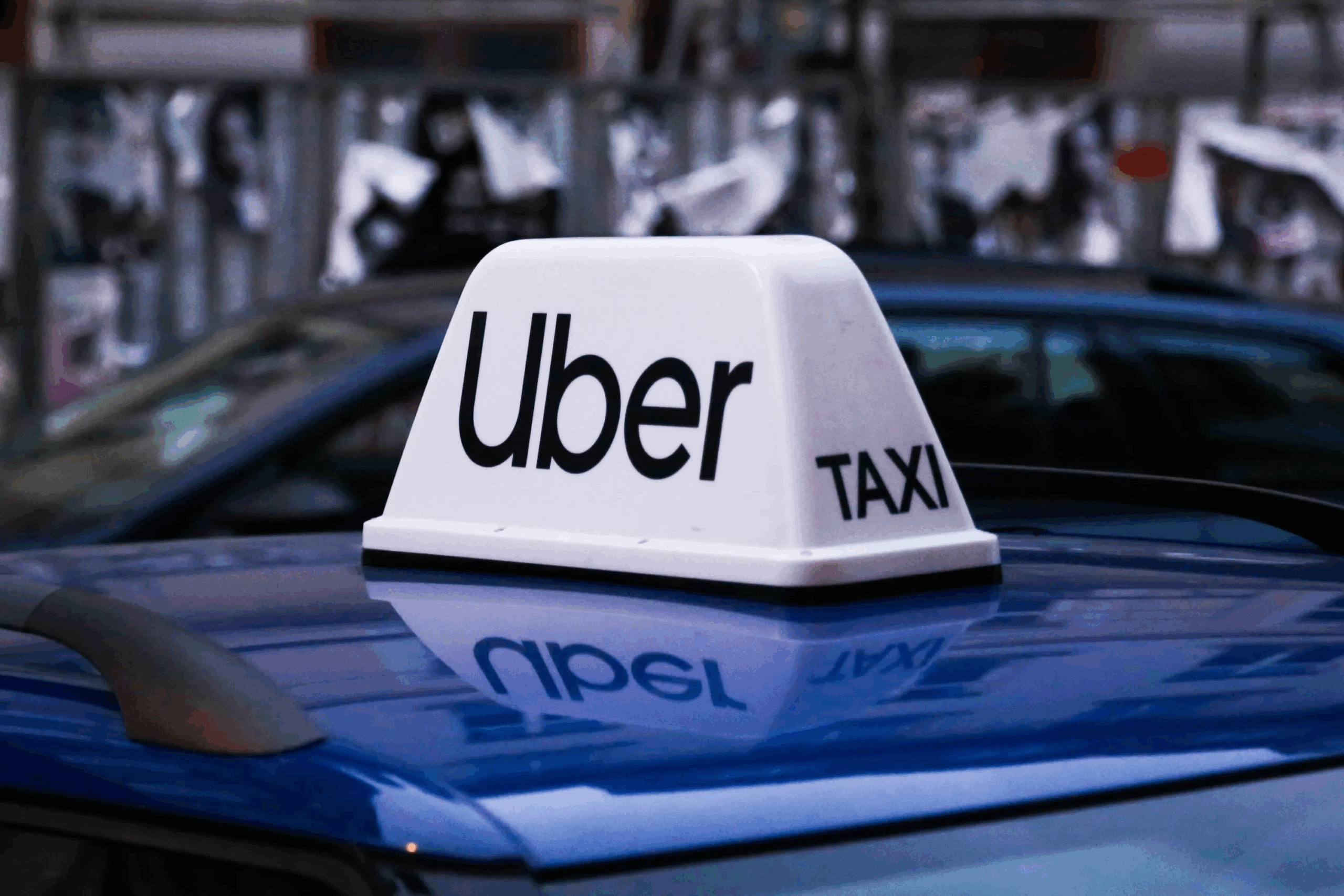
Uber CEO Dara Khosrowshahi revealed that the company is in discussions with private equity firms and banks to secure financing for the expansion of its robotaxi operations. This move aligns with Uber’s strategy to scale up its autonomous vehicle business amid growing competition and interest in self-driving technology.

Uber currently offers robotaxi rides through a partnership with Alphabet-owned Waymo and is deepening ties with automakers such as Volkswagen and Lucid to increase its fleet of autonomous vehicles. The company’s robotaxi business model includes three approaches: charging fixed rates to vehicle-owning partners, revenue sharing with fleet operators, and owning vehicles while licensing the self-driving software.

Khosrowshahi emphasized that once Uber demonstrates the revenue potential per vehicle, attracting additional financing will be easier. Presently, the company plans to allocate a “modest” part of its roughly $7 billion annual cash flow towards robotaxi deployment and may also consider selling minority stakes to fund expansion.

Industry analysts note that scaling robotaxi services could significantly reduce Uber’s reliance on human drivers, lowering costs and boosting profitability. Uber’s robotaxi offerings are live in Austin, Texas, and Atlanta, Georgia. In April, Uber signed a deal with Volkswagen to deploy thousands of autonomous electric vans across the U.S. over the next decade. Additionally, a $300 million partnership with Lucid and Nuro will enable Uber to deploy more than 20,000 autonomous taxis over six years.

Despite regulatory challenges, market skepticism, and high costs that have led some companies to scale back autonomous vehicle projects, Uber, Tesla, and Waymo continue to push robotaxi adoption, with Tesla and Waymo expanding services in key U.S. cities such as Austin, San Francisco, and beyond.

Ken Mahoney, CEO of Mahoney Asset Management, commented on the market potential, noting that many companies see the robotaxi sector as a promising growth area with a large total addressable market.