Yazılar

Autopilot Verdict Hits Tesla’s Robotaxi Ambitions, Raises Safety Concerns

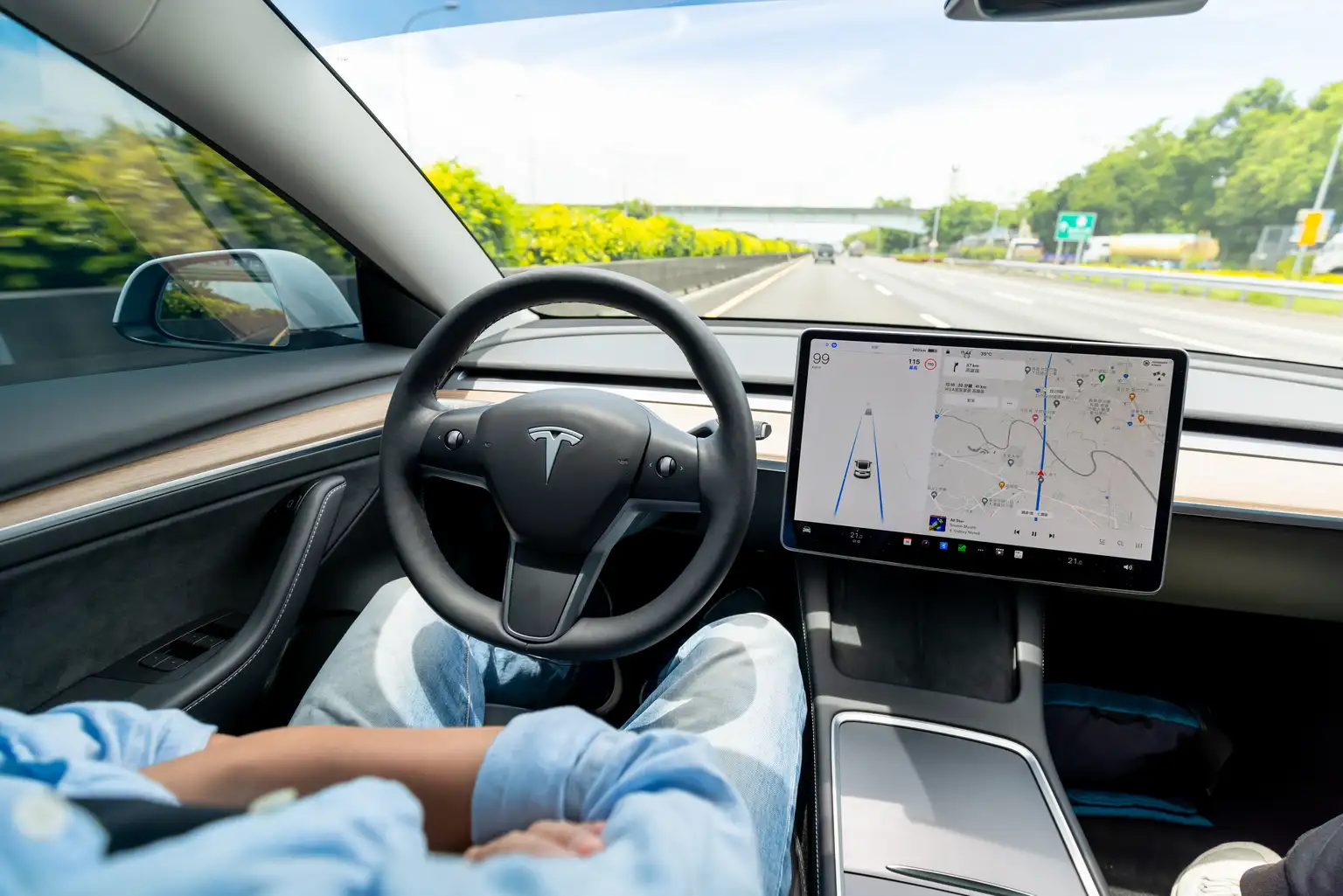
A Florida jury has ordered Tesla (TSLA.O) to pay approximately $243 million in damages following a fatal 2019 crash involving a Model S equipped with Autopilot driver-assistance software. The verdict, which found Tesla’s Autopilot system defective, poses a significant setback to CEO Elon Musk’s plans to rapidly expand the company’s robotaxi network across the U.S.

Tesla maintains that the driver was solely at fault and plans to appeal the decision. This ruling comes amid ongoing federal investigations and recalls linked to Tesla’s autonomous driving technology. It could intensify regulatory scrutiny, making it harder for Tesla to convince state authorities that its self-driving tech is safe and ready for broad deployment.

Experts say the verdict may increase pressure on regulators to impose stricter safety checks before approving autonomous vehicle services. Legal and industry analysts warn the ruling threatens Musk’s goal of offering robotaxi service to half of the U.S. population by year-end, a critical component as Tesla faces slowing demand for its older electric vehicle models and backlash over Musk’s political views.

Palantir’s software underpins Tesla’s robotaxi plans. Success will depend on earning regulators’ and consumers’ trust in the Full Self-Driving (FSD) software, an advanced system capable of city street navigation and autonomous maneuvers, building on the original Autopilot system used primarily on highways.

Tesla’s FSD updates have continued since 2019. Analysts at Piper Sandler noted that the verdict does not directly affect the latest versions of Tesla’s FSD software.

Regulatory and Industry Context:
Developing safe, fully autonomous vehicles has proven more challenging and costly than anticipated. Many companies, such as General Motors’ Cruise unit, have faced setbacks or changed strategy. Musk’s approach relies mainly on cameras and AI rather than expensive sensors like lidar and radar used by rivals such as Waymo and Zoox.

Tesla launched a limited robotaxi trial in June in Austin, Texas, deploying about a dozen Model Y SUVs monitored by safety drivers. Musk aims to rapidly scale this service nationwide, targeting coverage of half the U.S. population within months, contrasting with Waymo’s cautious multi-year rollout.

Tesla is currently seeking regulatory approval in multiple states, including California, Nevada, Arizona, and Florida. Officials have not commented on the verdict’s impact.

Case Details:
The lawsuit concerned a crash where a Tesla Model S, with Autopilot engaged, ran a stop sign and collided with a parked Chevrolet Tahoe. The driver admitted distraction but no alerts were received before the incident. The jury found Autopilot had a defect and held Tesla partly liable.

Tesla has historically won or settled most Autopilot-related lawsuits out of court. This verdict stands out and may influence several pending cases.

Investors and legal experts warn the ruling could delay regulatory progress and damage Tesla’s image at a critical time for its autonomous vehicle ambitions.

Tesla plans San Francisco robotaxi rollout within two months, pending approval

Tesla CEO Elon Musk announced plans to expand the company’s robotaxi service to the San Francisco Bay Area within the next one to two months, contingent on regulatory approval. The update follows a limited launch of the service in Austin, Texas, where the company began public tests with about a dozen vehicles in June.

The pilot program in Austin includes a front-seat safety monitor, restricted passenger access, and a constrained service area. Musk added on X (formerly Twitter) that the service will expand to a larger area in Austin this weekend, though details remain sparse.

When asked by a Tesla fan group about a Bay Area launch, Musk replied: “Waiting on regulatory approvals, but probably in a month or two.”

Tesla’s push into autonomous ride-hailing is central to its long-term strategy. With electric vehicle sales declining amid heightened competition and political backlash surrounding Musk’s public image, much of Tesla’s lofty market valuation hinges on the successful commercialization of robotaxis and AI-powered humanoid robots.

However, rolling out autonomous services has proven challenging industry-wide. Regulatory scrutiny, safety concerns, and technical barriers have slowed progress. For example, GM’s Cruise has had to halt its operations following safety investigations. To date, Alphabet’s Waymo is the only firm with a fully operational and fee-charging driverless taxi service, operating in cities including San Francisco, Los Angeles, Austin, Phoenix, and Atlanta.

Tesla, which faced few regulatory obstacles in Texas, will encounter a stricter environment in California. The state requires companies to obtain multiple approvals from the Department of Motor Vehicles (DMV) and the California Public Utilities Commission (CPUC) before launching paid autonomous services.

Tesla received its first CPUC permit in March but must secure further approvals from both the CPUC and DMV before deploying driverless robotaxis commercially. Neither agency has commented yet on the current state of Tesla’s application.

Meanwhile, footage from Tesla’s Austin trial shared by select participants on social media shows early issues such as traffic slowdowns and erratic maneuvers, raising questions about the system’s readiness for wider deployment.

Despite these challenges, Musk has remained confident in Tesla’s plans to scale robotaxi operations rapidly across major U.S. cities.

Tesla Shares Drop Nearly 8% as Elon Musk’s ‘America Party’ Sparks Investor Concern

Tesla’s stock fell close to 8% on Monday amid mounting investor worries over CEO Elon Musk’s new political venture, the so-called ‘America Party,’ which raises doubts about his focus on the company’s future. The announcement came shortly after a public clash with former President Donald Trump, who dismissed Musk’s political move as “ridiculous” and threatened to cut subsidies worth billions to Musk’s companies, escalating a feud that previously erased $150 billion from Tesla’s market value in a single day.

Tesla’s shares have already dropped 35% since their record high last December, making it the worst-performing stock among the high-profile “Magnificent Seven” tech firms this year. The company also reported its second consecutive quarterly decline in vehicle deliveries, intensifying pressure on its stock.

Investors voiced frustration over Musk’s political distractions. Shawn Campbell, adviser at Camelthorn Investments, said, “I and every other Tesla investor would prefer to be out of the business of politics. The sooner this distraction can be removed and Tesla gets back to actual business, the better.”

Tesla now faces a challenging sales target, needing to deliver over one million vehicles in the second half of the year to avoid another annual sales decline amid ongoing tariff-related economic uncertainty and fallout from Musk’s political involvement. Should losses persist, Tesla could see its market valuation shrink by over $80 billion, while short sellers stood to gain about $1.4 billion on Monday alone.

Tesla Board Under Scrutiny

Musk’s political ambitions have also put Tesla’s board of directors under the spotlight. Despite rumors of potential leadership changes, board chair Robyn Denholm denied any plans to replace Musk. However, some investors, such as Azoria Partners, have expressed concern. Azoria delayed launching a Tesla ETF, with CEO James Fishback stating the board must assess whether Musk’s political role is compatible with his CEO responsibilities.

Tesla’s board has faced criticism for lacking firm oversight of Musk, who manages five other companies alongside Tesla and now a political party. Ann Lipton, a business law professor, argued, “This is exactly the kind of thing a board of directors would curtail — removing the CEO if he refused to curtail these kinds of activities.”

Despite Musk’s dominant shareholder status, the board has the authority to replace him without a shareholder vote, though such a move remains unlikely given their historical support. Lipton added, “The Tesla board has been fairly supine; they have not… taken any action to force Musk to limit his outside ventures, and it’s difficult to imagine they would begin now.”

Impact on Broader EV Market

Tesla’s stock movements heavily influence the entire electric vehicle (EV) sector. Shares of smaller EV makers Rivian and Lucid also fell around 3.5%. Analyst Craig Irwin of Roth MKM said, “Tesla is the umbrella stock for the EV space. Generally, EV stocks price up into the Tesla valuation.”

The impending expiration of the EV tax credit subsidy at the end of September (earlier than previously expected) is also expected to dampen near-term EV sales, affecting all automakers in the segment, noted Morningstar analyst Seth Goldstein.