Yazılar

Tesla Pauses Full Self-Driving Trial in China Pending Regulatory Approval

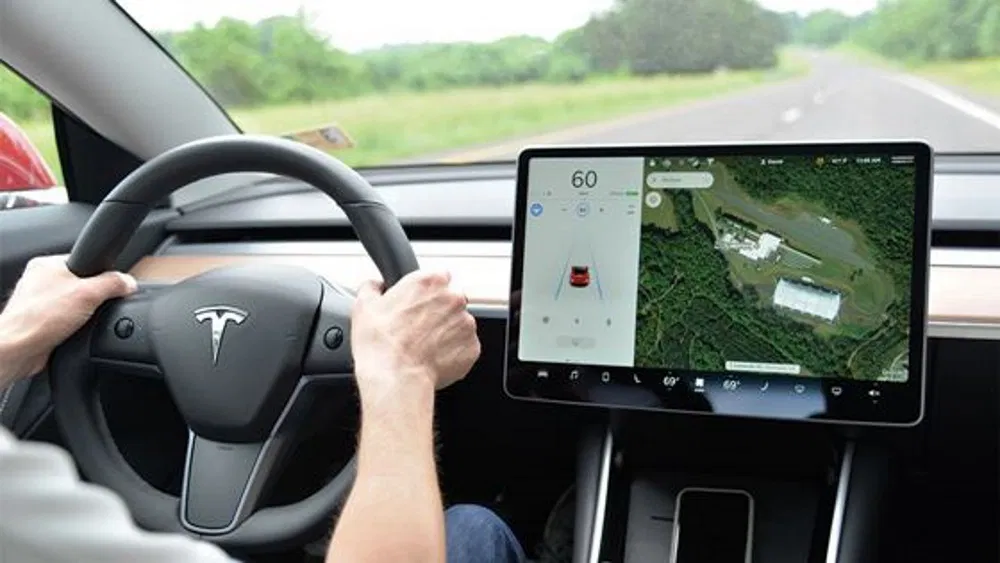
Tesla announced on Monday that it would halt its limited-time free trial of the Full Self-Driving (FSD) feature in China, pending the completion of regulatory approval. The pause follows complaints regarding the trial, which was initially scheduled to run from March 17 to April 16.

Tesla’s customer support addressed the issue on the social media platform Weibo, where they stated that all parties involved are working to advance the relevant approval processes. They assured customers that the feature would be released once regulatory conditions are met and urged patience.

FSD is a suite of driving-assistance technologies powered by generative artificial intelligence, designed to handle complex traffic conditions. Tesla is targeting a full rollout of FSD later this year and is collaborating with Chinese tech giant Baidu to enhance the system’s performance.

While Tesla has successfully offered such trials in the U.S. without requiring up-to-date navigation maps—relying instead on local AI training from its 2 million EVs—the company faces challenges in China due to strict data laws that prevent the system from being trained using local data. Additionally, China’s industry ministry implemented new rules in February mandating that autonomous driving-related over-the-air software updates be approved by regulators before they can be deployed.
Former Cruise CEO Kyle Vogt’s Robotics Startup, The Bot Company, Valued at $2 Billion in New Funding

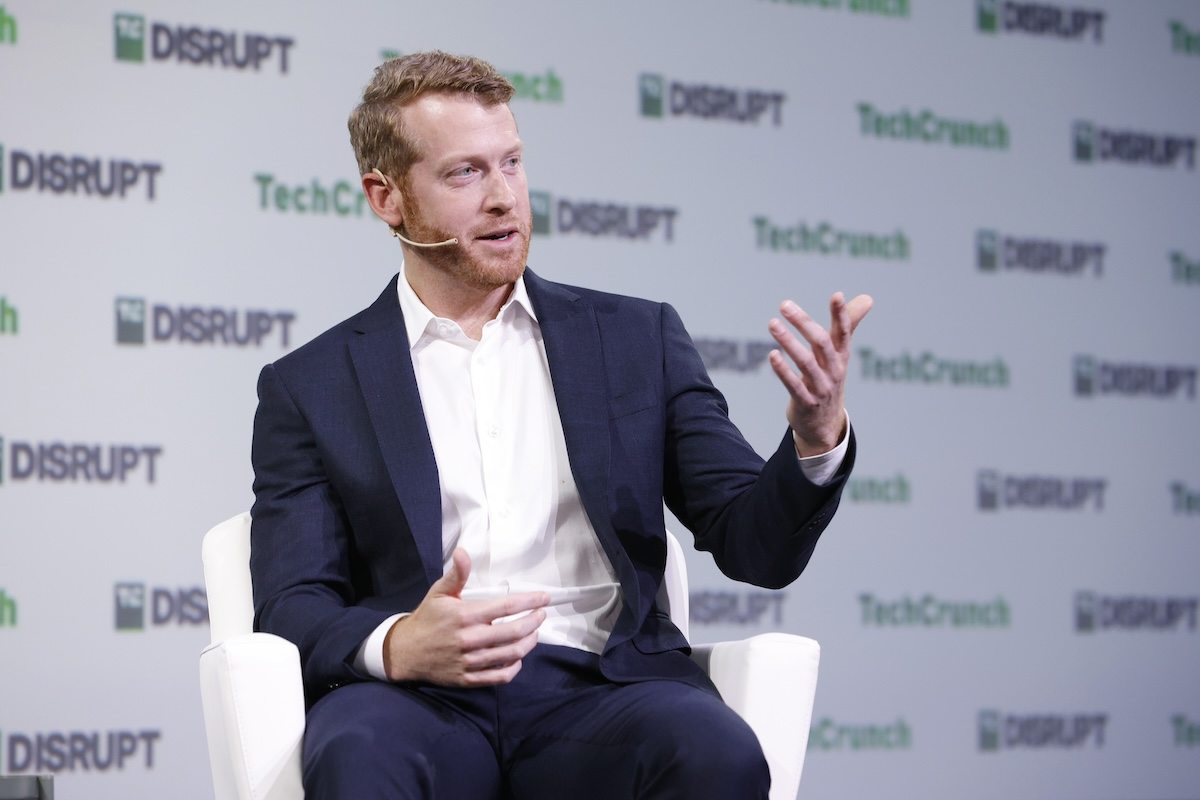
Kyle Vogt, the former CEO of self-driving car company Cruise, has secured $150 million in a new funding round led by Greenoaks for his robotics startup, The Bot Company. This investment boosts the company’s valuation to $2 billion, a significant jump from its previous valuation of $550 million following an earlier $150 million funding round. Despite the company not yet releasing a product or generating revenue, the funding reflects strong investor confidence in its potential.

The Bot Company, which was co-founded by Vogt, Paril Jain, and Luke Holoubek—former engineers at Tesla and GM-owned Cruise—aims to build AI-powered robots for everyday household tasks. These robots are designed to be non-humanoid and feature a base and grips for performing chores. The company is still in the development phase, working on integrating hardware and artificial intelligence-based software that will enable the robots to adapt and learn new tasks.

The company’s rapid rise in valuation comes amid a boom in robotics, driven by advances in large language models (LLMs). These AI models enable robots to understand natural language commands and perform more complex tasks, fueling significant interest in robots that could assist in homes or on factory floors. The Bot Company’s focus on creating at-home robots positions it within the growing trend of robotics startups, which are attracting substantial funding for innovative, AI-powered solutions.

The boom in robotics is also reflected by other industry players. Companies like Tesla, startups such as Figure, and Cobot, a robotics firm focused on industrial automation, are drawing attention with large funding rounds. Major players like Amazon have also invested heavily in home robotics, with the launch and eventual discontinuation of its Astro robot.

Vogt and his co-founders are part of a wave of talent transitioning from the self-driving car industry to robotics, aiming to create more adaptable and intelligent robots that can perform a range of tasks in daily life. The investment in The Bot Company, alongside the increasing venture capital influx into robotics, indicates growing confidence in AI-driven, action-based robotics solutions.

Tesla Recalls Nearly All Cybertrucks Due to Detaching Trim Panel

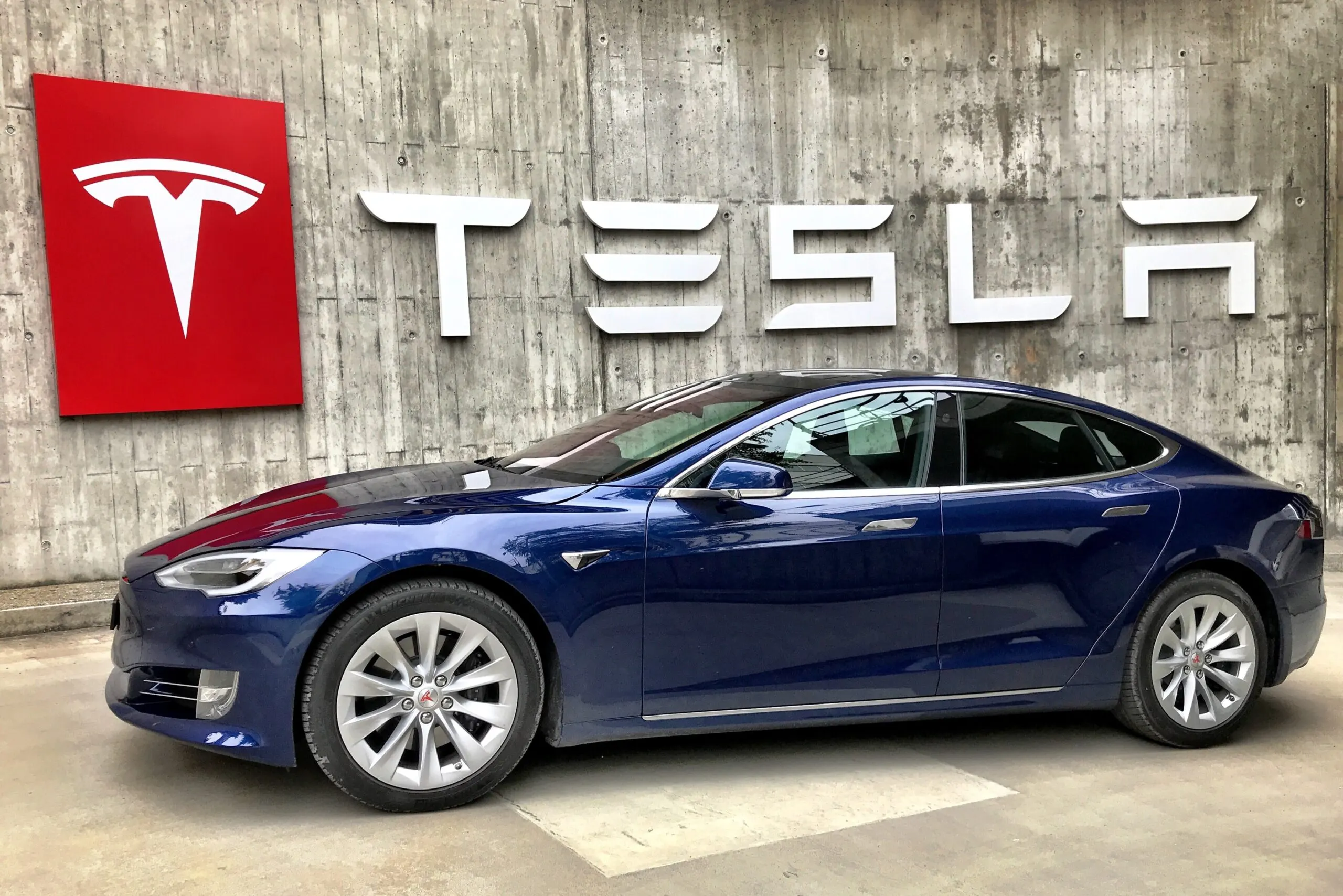
Tesla has issued a recall for over 46,000 Cybertrucks in the United States due to a potential safety issue involving the vehicle’s exterior trim panel. The recall affects vehicles built between November 2023 and February 27, 2024, marking the eighth recall for the Cybertruck since January 2024.

The issue arises from the stainless-steel trim panel, which could detach while driving, posing a road hazard and increasing the risk of a crash. Although Tesla has received 151 warranty claims potentially linked to this problem, no accidents or injuries have been reported. The company stated that the noise from the detached panel or its complete detachment could be noticed by drivers or passersby.

This recall affects a significant portion of Cybertruck vehicles on the road, with analyst estimates suggesting that the recalled units represent the vast majority of the truck’s current fleet. The recall could be a setback for Tesla, which has already faced challenges in 2024, including increasing competition, an aging vehicle lineup, and backlash against CEO Elon Musk’s influence over federal budget cuts.

Demand for the Cybertruck had already declined toward the end of 2023 following multiple delays, and sales of the vehicle remain a small fraction of Tesla’s overall deliveries. In 2024, Tesla’s total vehicle shipments reached 1.79 million.

Sam Fiorani, Vice President at AutoForecast Solutions, noted that the recall highlights ongoing quality issues for Tesla, which had previously avoided such setbacks. “Reputations take a long time to build and can be tarnished very quickly,” he added.

Despite the recall, Tesla’s stock showed a slight increase on Thursday. During a livestreamed “all hands” meeting, Musk did not address the recall but emphasized the Cybertruck’s “five-star safety rating,” suggesting that investors hold onto their shares.