Yazılar

Tesla Plans Robotaxi Launch Backed by Human Teleoperators, Says Deutsche Bank

Tesla Inc. (TSLA.O) is planning to debut its robotaxi service in California and Texas next year, supported by human teleoperators for added safety and redundancy, according to a report by Deutsche Bank. The update followed a meeting with Tesla’s head of investor relations, Travis Axelrod, and was published in a note on Friday.


Key Highlights

  • Robotaxi Service: Tesla intends to use a company-owned fleet for the initial phase of its robotaxi operations. The vehicles will be monitored by human teleoperators to ensure safety during the early rollout phase.
  • Ride-Hailing Platform: The service will rely on Tesla’s proprietary ride-hail app, currently under development.
  • Launch Timeline: Tesla continues to target the first half of 2024 for the launch of its highly anticipated lower-cost vehicle, with additional models expected later in the year.

Deutsche Bank’s Analysis

Deutsche Bank noted that Tesla is focusing on maintaining safety during the early stages of the service. “Management believes it would be reasonable to assume some type of teleoperator would be needed at least initially,” the bank stated.

The automaker’s robotaxi service goal for 2024 aligns with its broader strategy to expand its autonomous vehicle capabilities and disrupt the ride-hailing market.


Stock Market Impact

Deutsche Bank raised its price target for Tesla shares from $295 to $370, reflecting optimism over the company’s advancements in autonomous technology and forthcoming product launches. Despite this, Tesla’s shares were trading down nearly 1% at $386.04 on Monday.


Looking Ahead

With its focus on safety and redundancy, Tesla’s planned robotaxi service could reshape the ride-hailing industry if successfully implemented. However, challenges related to regulatory approvals, technology reliability, and market competition may impact its rollout and adoption.
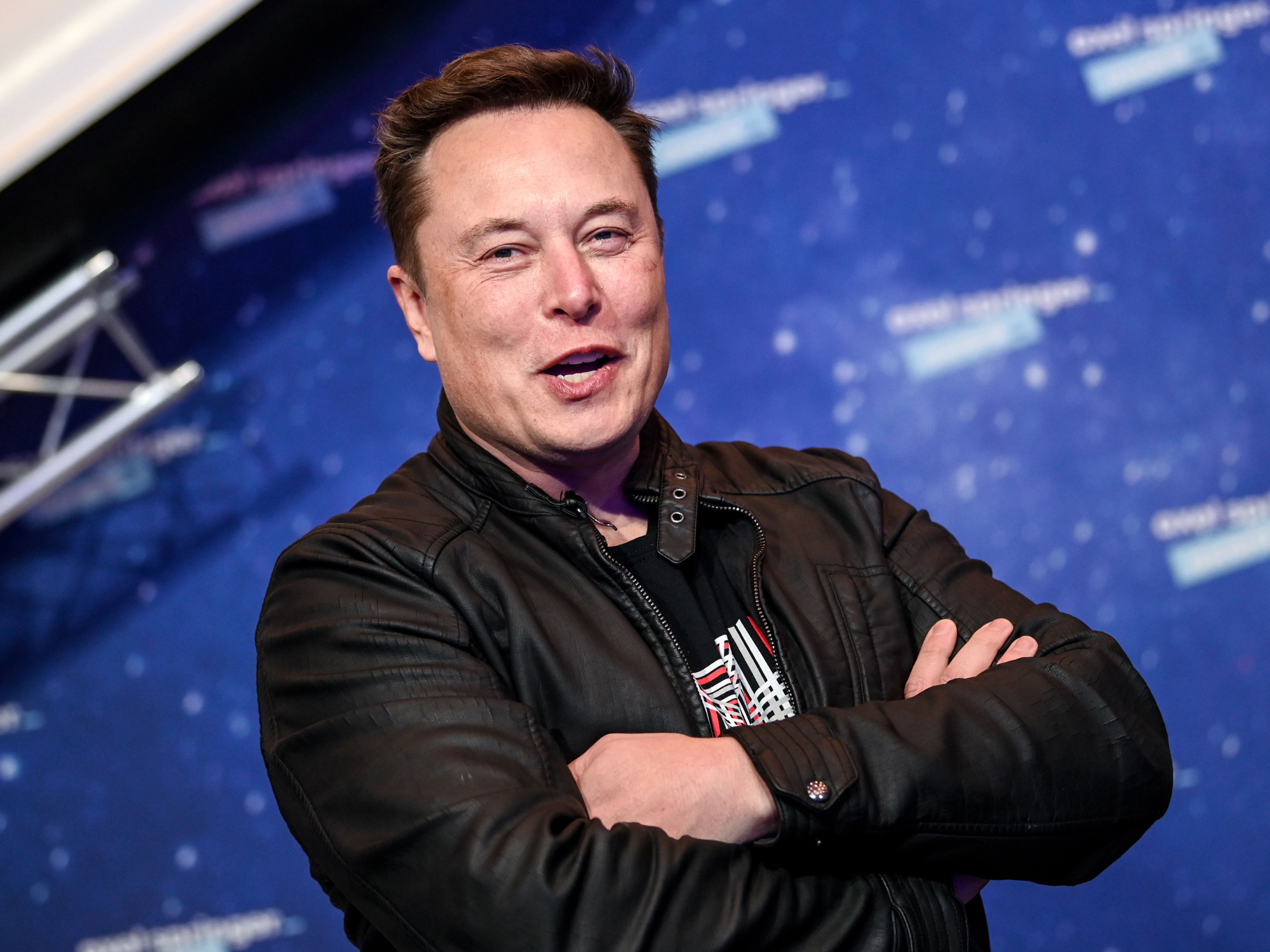
Tesla CEO Elon Musk Loses Bid to Reinstate $56 Billion Pay Package

INTRODUCTION

Tesla CEO Elon Musk has lost his bid to reinstate his $56 billion pay package after a Delaware judge upheld a previous ruling that declared the compensation plan to be improperly granted. Musk has expressed intentions to appeal the decision, calling the ruling “absolute corruption.”


KEY POINTS

Court Ruling on Pay Package

  • Delaware Judge’s Decision:
    In a ruling on Monday, Chancellor Kathaleen McCormick affirmed her January decision to void Musk’s pay package, which was the largest in U.S. corporate history. She cited that Musk, as the controlling figure at Tesla, had dictated the terms of his compensation without proper negotiation from the board.

    • Flawed Process: McCormick described the process leading to the approval of Musk’s pay plan as “deeply flawed” and ruled that it was not a fair decision-making process.

Shareholder Vote and Appeal Attempts

  • Tesla’s Shareholder Vote:
    After the initial ruling, Tesla held a shareholder vote in June 2023, attempting to ratify the pay package. Musk’s legal team pushed for a reversal of the court’s opinion, citing the results of this vote. However, the judge rejected the argument, stating that shareholder votes cannot retroactively alter the fairness of the original compensation plan.

    • Court’s Stance: McCormick dismissed the argument that a new vote could change the outcome, calling such efforts an attempt to revise facts for the sake of litigation.

Attorney Fees and Legal Costs

  • Attorney Fees Awarded:
    As part of the ruling, the judge approved a $345 million attorney fee award for the lawyers who successfully challenged the pay package on behalf of Tesla shareholders.

    • Plaintiffs’ Satisfaction: The law firm representing the plaintiffs expressed satisfaction with the ruling, praising the judge’s work and the successful outcome for Tesla shareholders.

Musk’s Reaction and Financial Outlook

  • Musk’s Response:
    Musk expressed outrage over the ruling on X (formerly Twitter), calling the decision “absolute corruption” and urging others to avoid incorporating companies in Delaware. He also continued to criticize the Delaware court system, a sentiment he has previously expressed.

    • Financial Impact: Despite the legal loss, Musk’s wealth has grown significantly, with his net worth rising by over $43 billion since November 2020. Tesla shares have surged 42% in recent weeks, contributing to his financial gains.
    • Stock Value: Musk still holds significant Tesla stock, which is valued at around $150 billion based on the current stock price. His 2018 pay package, excluding stock options, could now be worth an estimated $101.4 billion.

CONCLUSION

Musk’s bid to reinstate his controversial $56 billion pay package was denied by a Delaware court, with the judge reaffirming that the compensation was improperly granted. While Musk plans to appeal, he has seen significant growth in his wealth, largely due to a recent surge in Tesla stock. The case highlights the ongoing legal battles surrounding Musk’s compensation and corporate governance issues at Tesla.

JPMorgan Drops Lawsuit Against Tesla Over Stock Warrants

JPMorgan Chase and Tesla have agreed to settle their dispute over a 2014 stock warrants contract, ending a lawsuit that had been ongoing since 2021. In a joint filing submitted to a Manhattan court on Friday, both companies stated they would drop their claims against each other.

The terms of the settlement were not disclosed, and neither company responded to media requests for comment. Bloomberg News first reported the settlement.

The legal battle stemmed from a 2014 agreement in which Tesla sold stock warrants to JPMorgan. Warrants give holders the right to purchase stock at a set price and date. JPMorgan claimed the value of the warrants was significantly impacted by a controversial 2018 tweet from Tesla CEO Elon Musk, where he stated his intention to take Tesla private at $420 per share, adding that he had “funding secured.” Musk later abandoned the plan, causing Tesla’s stock price to fluctuate widely.

JPMorgan argued that it was contractually obligated to adjust the warrants’ strike price to reflect the stock price volatility caused by Musk’s tweet and its aftermath. The bank claimed this adjustment led to Tesla owing $162.2 million, which the automaker did not pay.

Tesla countersued in January 2023, accusing JPMorgan of trying to exploit the situation for financial gain by demanding an unwarranted payout.

The dispute highlights the broader implications of Musk’s social media activity, which has led to regulatory scrutiny. Following the 2018 tweet, Musk reached an agreement with the U.S. Securities and Exchange Commission (SEC) to have certain tweets pre-approved by a Tesla lawyer.

The settlement ends one of the lingering legal battles between Tesla and its corporate partners, closing a chapter in the companies’ tumultuous relationship.