Yazılar

Tech Leaders Congratulate Donald Trump on Presidential Election Victory

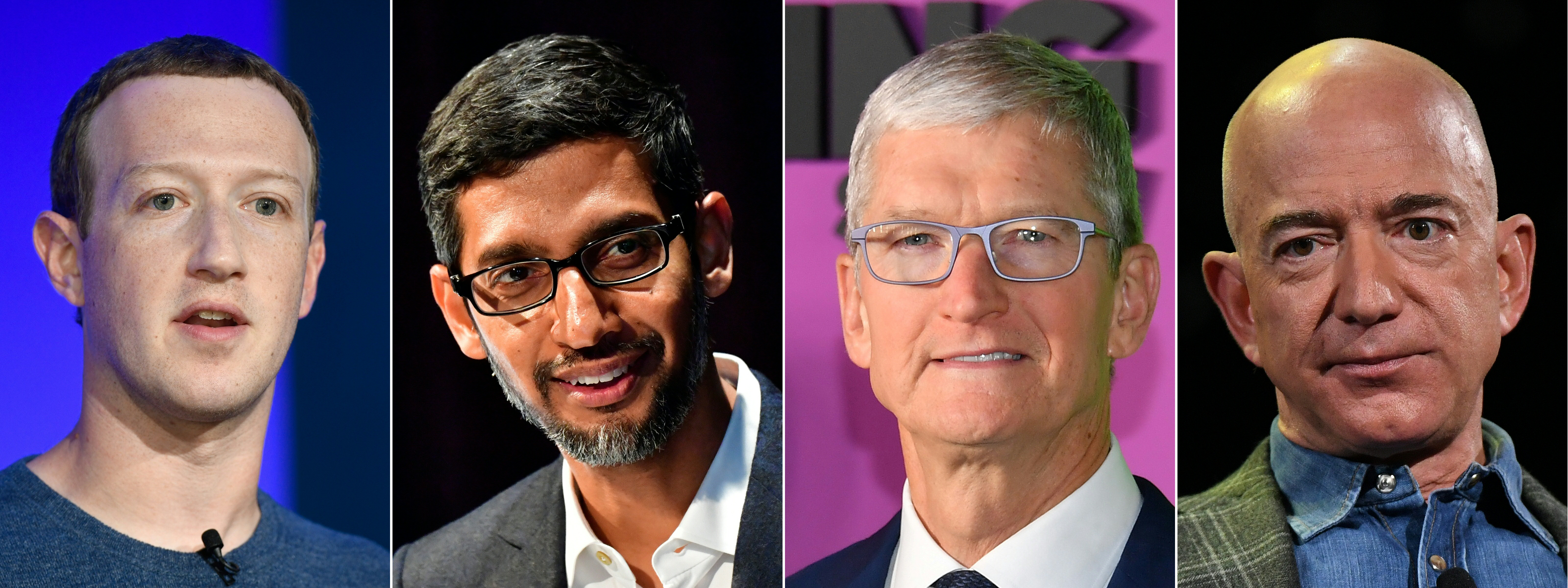
Several high-profile tech CEOs extended their congratulations to President-elect Donald Trump and Vice President-elect JD Vance following Trump’s win in the U.S. presidential election. These statements, posted on social media, expressed support for Trump’s return to the Oval Office and emphasized a shared focus on technology advancement and economic growth.

Amazon
Jeff Bezos, Amazon’s founder and executive chairman, congratulated Trump in a post on X, calling his win an “extraordinary political comeback and decisive victory.” Although Bezos and Trump clashed during Trump’s first term over issues like Amazon’s tax practices and The Washington Post’s editorial stance, Bezos has recently adopted a more conciliatory approach. He praised Trump for his “courage under literal fire” after the attempted assassination attempt on Trump this past summer. Amazon CEO Andy Jassy also extended his congratulations, expressing hope to collaborate on issues impacting Amazon’s customers and employees.

OpenAI
OpenAI CEO Sam Altman wrote on X that he wishes Trump “huge success in the job.” Altman emphasized the importance of the U.S. maintaining its leadership in artificial intelligence and expressed optimism about continuing to develop AI aligned with democratic values.

Meta
Mark Zuckerberg, CEO of Meta, congratulated Trump on what he described as a “decisive victory.” Zuckerberg said he looked forward to working with Trump on shared opportunities and goals, despite their sometimes tense history, notably Meta’s suspension of Trump’s Facebook account in the aftermath of the January 6 events.

Tesla and X
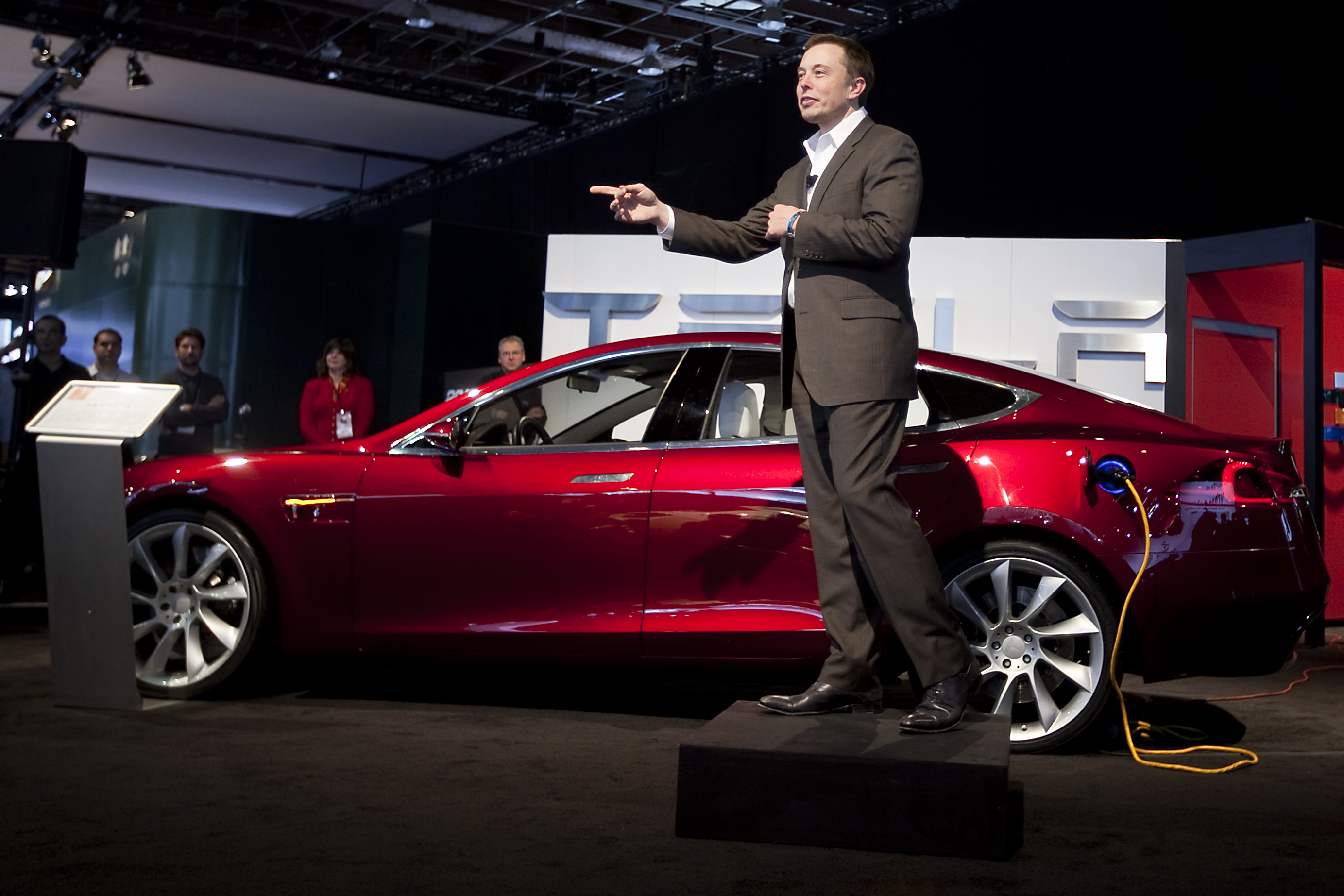
Elon Musk, CEO of Tesla and X (formerly Twitter), was another vocal supporter. Musk has been a prominent backer of Trump’s campaign and contributed $75 million to America PAC, a pro-Trump political action committee he founded. Musk, who is expected to lead a government efficiency commission under Trump, celebrated the win, which sent Tesla’s stock surging by over 13%.

Alphabet (Google)
Sundar Pichai, CEO of Alphabet, Google’s parent company, offered his congratulations to Trump and expressed a commitment to working together on technology-driven initiatives.

Intel
Intel CEO Pat Gelsinger also extended his congratulations, stating that Intel looks forward to collaborating with Trump’s administration to advance America’s technological and manufacturing leadership. Intel, currently restructuring to regain its position in the global chip market, could benefit if Trump and the Republican Congress pursue an agenda that replaces the Biden-Harris administration’s CHIPS and Science Act.

Cisco
Chuck Robbins, Cisco’s CEO, wrote that his company is eager to collaborate on policies supporting “connectivity, innovation, and cybersecurity.” Robbins highlighted Cisco’s readiness to work with Trump and Congress on key technological issues.

Box and Dell Technologies
Box CEO Aaron Levie also congratulated Trump on his win, describing it as a “wild ride” and noting his optimism about America’s future growth trajectory. Michael Dell, CEO of Dell Technologies, added his congratulations on X.

This election victory has brought a chorus of industry leaders expressing hope for collaboration on economic policies that could impact technology, innovation, and global competitiveness, aligning with Trump’s focus on strengthening American industries.
 

BYD Surpasses Tesla in Quarterly Sales, Signals Strong Future Growth

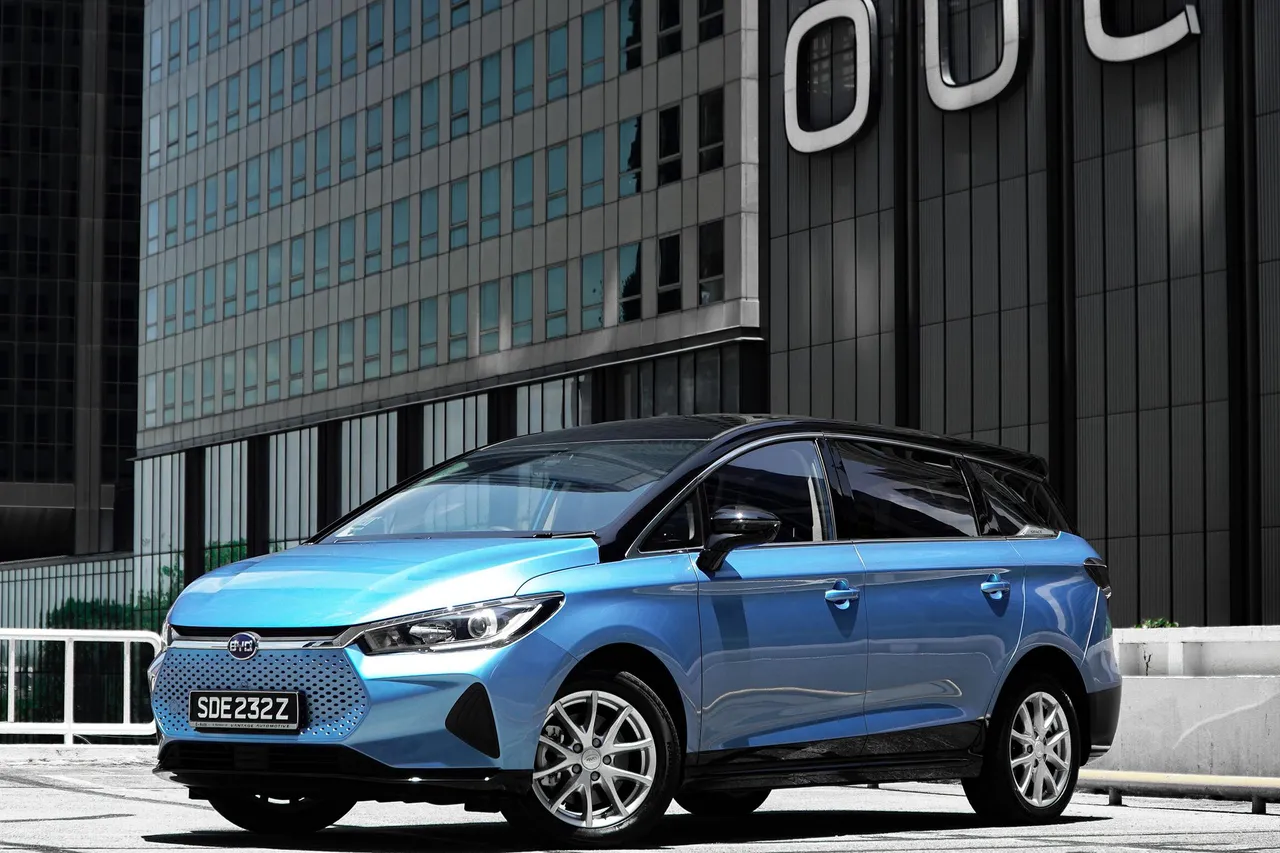
Chinese electric vehicle (EV) manufacturer BYD has overtaken Tesla in quarterly sales, achieving a significant milestone in its latest financial results. BYD reported an impressive revenue of 201 billion yuan ($28 billion) for the three months ending September, surpassing Tesla’s $25.2 billion in revenue by nearly $3 billion. This growth reflects BYD’s rapid expansion, primarily driven by sales of both fully electric and hybrid vehicles, as well as its diversification into mobile handsets and commercial vehicles.

While the direct comparison between the two companies isn’t perfect—BYD’s product portfolio includes hybrids, which Tesla doesn’t produce—the achievement marks a noteworthy shift in the EV market. Excluding BYD’s mobile division, its automotive revenue still closely aligns with Tesla’s, highlighting the company’s progress since pivoting to battery-powered vehicles in 2022.

BYD’s founder and chairman, Wang Chuanfu, is doubling down on innovation, with plans to allocate approximately $6.5 billion to research and development in 2024, significantly outpacing Tesla’s anticipated R&D spending, according to LSEG analyst projections.

The company’s success is largely supported by its domestic market, with Chinese consumers increasingly favoring local brands. This trend has driven nearly two-thirds of the country’s EV sales this year, up from one-third in 2020. International expansion is also in full swing, as BYD has been ramping up production capabilities abroad with new factories in Hungary, Thailand, Turkey, and Brazil. Notably, in August, BYD reported that it sold more vehicles from its overseas factories than it exported directly from China, underscoring its strategic shift to global manufacturing.

Despite BYD’s growth, Tesla retains advantages in certain areas. Its Shanghai factory achieved record-low production costs per vehicle in the third quarter, supporting a net profit of $2.2 billion, higher than BYD’s $1.63 billion. Tesla’s advanced driver assistance technology, branded as “Full Self-Driving,” also remains a unique differentiator, though it’s not yet fully autonomous.

While Tesla maintains these strategic advantages, BYD’s growing market presence and aggressive expansion plans signal a formidable competitor in the EV industry.


Tesla Shares Reach Highest Point in Over a Year Amid Strong Post-Earnings Rally

Tesla shares rose to $267.79 on Friday, marking their highest close since September 2023 following a strong third-quarter earnings report. After surging 22% on Thursday, Tesla’s stock has now increased 8% for the year, narrowing the gap with the Nasdaq’s 24% gain in 2024. Piper Sandler raised its 12-month price target to $315, citing stronger delivery rates and higher margins.

Tesla’s Q3 revenue reached $25.18 billion, slightly below estimates but up 8% year-over-year, with adjusted earnings per share of 72 cents—outperforming analyst forecasts. Profit margins saw a boost from $739 million in regulatory credits and $326 million from its Full Self-Driving (FSD) system, though JPMorgan analysts view regulatory credits as an uncertain source of cash flow.

On the earnings call, CEO Elon Musk forecasted vehicle growth between 20%-30% for 2025, largely driven by advancements in autonomy and more affordable vehicle models. Musk anticipates production of Tesla’s Cybercab robotaxi, with its unique butterfly doors and no manual controls, by 2026. Pilot autonomous ride-hailing services are set for 2025 in California and Texas.

Musk’s net worth rose to approximately $274 billion after the rally, positioning him $60 billion ahead of Oracle founder Larry Ellison. However, Tesla’s shares still lag about 35% behind their all-time high in 2021.

Competitive Landscape
Despite the stock’s recent surge, Tesla faces intensifying competition from Chinese manufacturers like BYD and Nio, and U.S. legacy automakers Ford and GM, who are expanding their EV offerings despite recent reductions in electrification commitments. Additionally, while Musk is optimistic about Tesla’s autonomy progress, analysts from Bernstein caution that Tesla continues to trail competitors in robotaxi technology.