Yazılar

China’s Car Sales Rebound in September, Driven by Subsidies for EVs

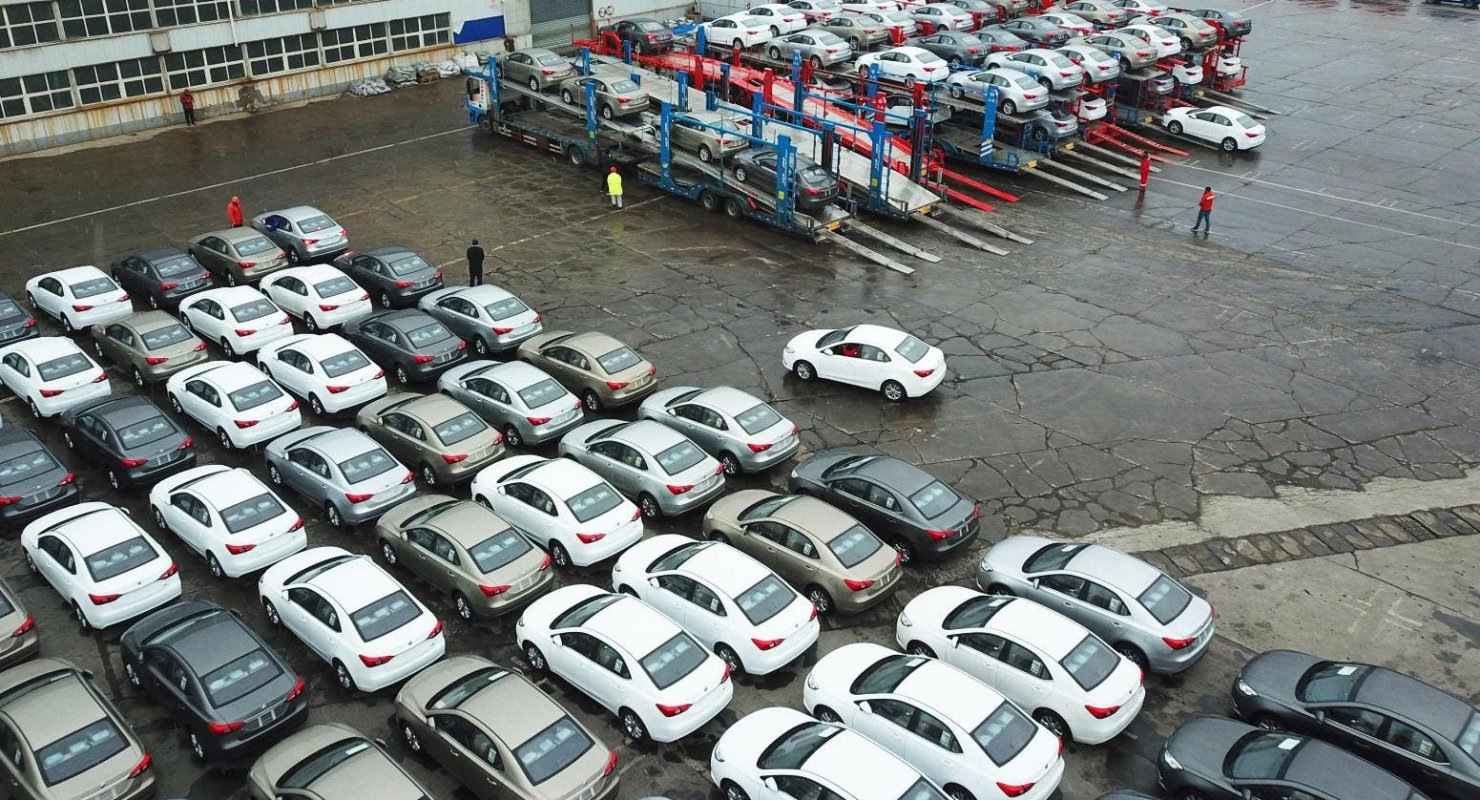
After five consecutive months of decline, China’s passenger vehicle sales rebounded in September, posting a 4.3% year-on-year increase. The uptick was largely fueled by a government subsidy program aimed at encouraging the trade-in of older vehicles, part of a broader economic stimulus package. The world’s largest automotive market saw sales rise to 2.13 million vehicles, up from 2.04 million in the same period last year, with electric vehicles (EVs) and plug-in hybrids driving the growth.

Surge in Electric Vehicle Sales

While sales of gasoline-powered cars continued to decline, the rise in new energy vehicles (NEVs)—which include both electric and plug-in hybrid models—was striking. NEV sales jumped 50.9%, accounting for 52.8% of total car sales in China. September marked the third consecutive month where sales of battery-powered cars outpaced traditional gasoline vehicles. In total, 1.12 million EVs and plug-in hybrids were sold in September alone, bringing the total for the first nine months of the year to 7.13 million.

Tesla, a major player in China’s EV market, saw its sales surge by 66% year-on-year, selling over 72,000 vehicles in China during September. Chinese EV makers, such as BYD and Xpeng, also experienced record-breaking sales, further solidifying their position in the market.

Government Subsidies: A Key Driver

China’s government played a significant role in boosting NEV sales through the expansion of its subsidy program in July 2024. Under the program, consumers who scrap older vehicles and replace them with EVs can receive a subsidy of over $2,800, double the amount introduced in April. For those opting for more fuel-efficient combustion vehicles, the subsidy is $2,100. By late September, 1.1 million consumers had already registered to take advantage of the trade-in incentives.

Cui Dongshu, the secretary-general of the China Passenger Car Association (CPCA), anticipates a strong fourth quarter for the auto market, spurred by these subsidies and increased support from local governments.

Challenges in the Broader Market

Despite the rise in passenger vehicle sales, data from the Chinese Association of Automobile Manufacturers (CAAM) painted a more mixed picture. Overall vehicle sales in China, including commercial vehicles, dropped by 1.7% in September compared to the previous year. The commercial vehicle segment, in particular, saw a sharp decline, with wholesale exports plunging by 23.5%.

This downturn in commercial vehicle sales highlights ongoing challenges in China’s automotive sector, as well as the broader economic struggles the country is facing. In response, the Chinese government has introduced a series of economic measures, including interest rate cuts and liquidity injections, in an effort to reignite growth.

Export Growth Amid Global Backlash

China’s car exports remain a bright spot for the industry, growing by 22% in September and bringing the total number of vehicles exported in the first nine months of the year to 3.55 million. This growth comes despite rising political opposition in key export markets. Last year, China overtook Japan to become the world’s largest vehicle exporter.

However, international scrutiny of China’s automotive dominance is intensifying. In September, the European Union (EU) voted to impose tariffs of up to 45% on Chinese-made EVs, citing concerns over past subsidies that have allegedly given Chinese automakers an unfair advantage. Germany, an EU member with strong ties to the automotive industry, opposed the move, while China has expressed its hope to resolve the dispute through negotiations that would establish minimum sales prices for Chinese EVs in Europe.

The United States and Canada have already taken more drastic measures, imposing tariffs of 100% on Chinese-made EVs, effectively blocking them from these markets.

Looking Ahead

As China moves into the final quarter of 2024, its automotive market is poised for further growth, thanks to ongoing government support and consumer demand for EVs. The country’s focus on bolstering its EV industry—seen as a critical element of its economic strategy—has reshaped the global automotive landscape. However, the long-term outlook for China’s auto industry remains uncertain, particularly as international trade tensions and questions about the sustainability of stimulus measures persist.
Tesla’s Sporty, Two-Seater Robotaxi Design Puzzles Experts

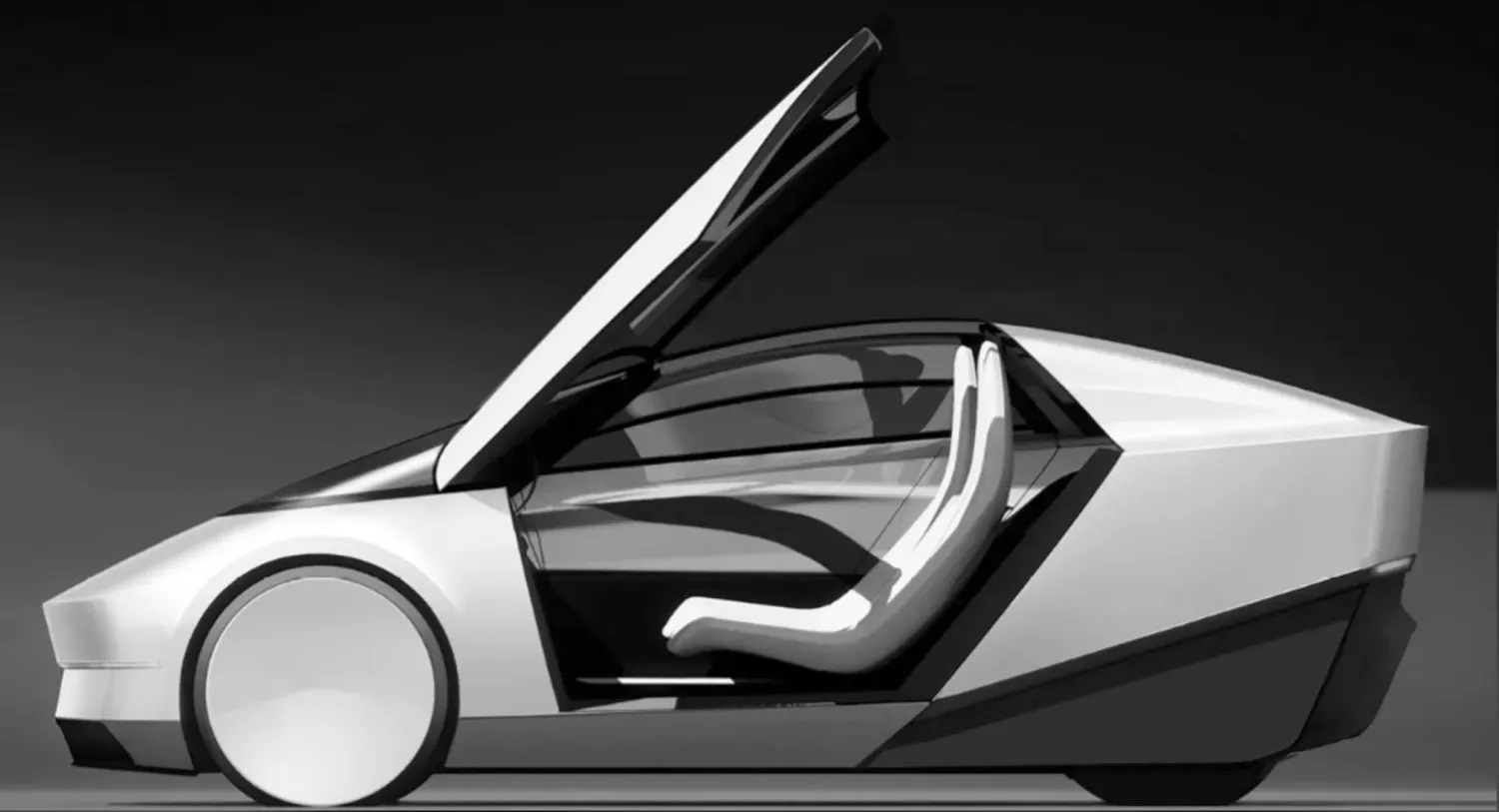
Tesla’s latest announcement of a two-seater robotaxi, dubbed the Cybercab, has left investors and experts perplexed. Unveiled by CEO Elon Musk at a much-hyped event near Los Angeles, the Cybercab is set to go into production in 2026 and cost less than $30,000. However, the vehicle’s low-slung, sporty coupe design—far from the traditional roomy taxi—has sparked confusion over its practicality for broader market needs.

The key concern raised by experts and investors alike revolves around the vehicle’s seating capacity and suitability as a taxi. Most people expect taxis to accommodate multiple passengers and have room for luggage, making the two-seater design puzzling. As Jonathan Elfalan, vehicle testing director at Edmunds.com, pointed out, “When you think of a cab, you think of something that’s going to carry more than two people.”

Tesla’s stock tumbled 9% on Wall Street the day after the reveal, as investors questioned the logic behind the design and Musk’s lack of detailed financial plans for the Cybercab. Analysts are particularly concerned about whether Tesla is targeting the right market. According to Sandeep Rao, a senior researcher at Leverage Shares, the market for two-door vehicles in the U.S. is tiny, comprising only 2% of car sales (excluding SUVs and pickups), which limits the appeal of the Cybercab.

Tesla also faces stiff competition in the robotaxi space. Companies like Waymo, owned by Alphabet, and Zoox, backed by Amazon, have already launched robotaxis with more practical designs. For instance, Waymo’s fleet of Jaguar Land Rover vehicles seats up to four passengers, a far cry from Tesla’s two-seater. Former Waymo CEO John Krafcik remarked that Tesla’s design seemed “more playful than serious,” emphasizing that its configuration could create challenges for older passengers and people with disabilities.

During the presentation, Musk promised that the Cybercab would have an operating cost of just 20 cents per mile, claiming this could make it cheaper to operate than public transport. However, he failed to clarify how Tesla plans to mass-produce these vehicles, obtain regulatory approvals, or compete with existing players like Waymo that are already operating robotaxis in certain U.S. cities.

Musk also teased the idea of a futuristic robovan capable of seating up to 20 people, but he did not provide a timeline for its production. While some believe that Tesla’s Cybercab may be a way to quickly introduce an autonomous vehicle to the market, the consensus among experts is that larger, more practical robotaxis will be necessary for Tesla to succeed in this space.

Analyst Sam Fiorani from AutoForecast Solutions noted that two-seaters have long been proposed as commuter vehicles but have never gained widespread traction. Similarly, Blake Anderson, a senior investment analyst at Carson Group, remarked that the two-seater design doesn’t align with Tesla’s goal of creating a mass-market, low-cost vehicle to expand its appeal.

Despite the mixed reactions, Musk remains optimistic about the potential of the robotaxi business, which he believes could eventually push Tesla’s valuation to $5 trillion, up from its current $700 billion. However, the Cybercab’s niche design, and the challenges it faces in a still-developing, tightly regulated market, suggest that Tesla will need to refine its approach to stay competitive.

Jim Cramer Advises Caution on Tesla Stock After Cybercab Debut Flops

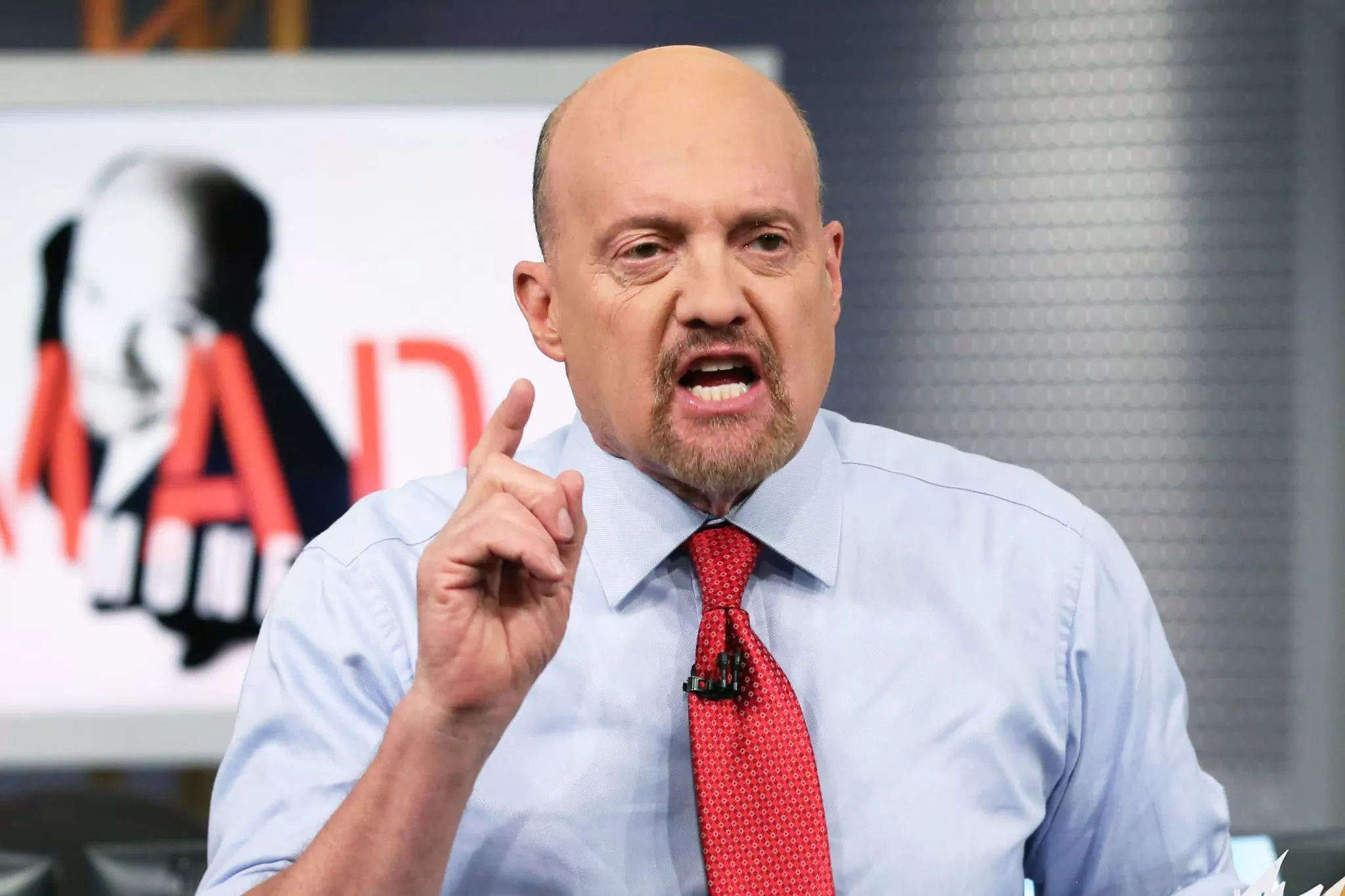
After Tesla’s highly-anticipated Cybercab debut underwhelmed investors, CNBC’s Jim Cramer urged caution for those holding Tesla stock. Despite the excitement surrounding the unveiling of Tesla’s new robotaxi, the event fell short of delivering crucial details, leading Cramer to recommend a neutral approach to the stock.

During his show, Mad Money, Cramer commented that while Tesla CEO Elon Musk presented a visually impressive robotaxi concept, the lack of substantive information about the vehicle’s costs and rollout timeline left much to be desired. Cramer noted that investors should “stay on the sidelines” for now, as Tesla’s future in autonomous driving is still unclear.

Disappointing Market Reaction

Tesla, which has struggled with weak financial quarters earlier this year, needed a significant win to regain momentum. Musk had teased self-driving technology as a way to differentiate Tesla from other electric vehicle (EV) makers, especially as competition from Chinese EV companies intensifies. However, the Cybercab event failed to meet market expectations, and by the close of trading on Friday, Tesla shares had dropped 8.78%.

Cramer acknowledged that while it’s tempting to short Tesla stock after such a significant market reaction, he advised against it, calling it “dangerous to bet against Elon Musk.” The uncertainty around Tesla’s autonomous driving capabilities has caused investors to question whether Tesla can make the transition from being seen purely as an EV maker to a legitimate player in the self-driving space.

Competitive Landscape

As Tesla stumbled, rideshare companies like Uber and Lyft saw their stocks rise, with Uber hitting an all-time high. The threat that Tesla’s robotaxis could pose to rideshare companies has seemingly diminished for now, as the lack of concrete details from Tesla’s event reassured investors that Cybercab won’t be disrupting the rideshare industry anytime soon.

Tesla’s challenge extends beyond the unveiling flop. Cramer emphasized that the EV market, once expected to be vast and profitable, has proven smaller than anticipated. For Tesla to successfully pivot to self-driving technology, it will need to offer more than flashy concepts and provide the kind of specific, actionable details investors and analysts crave.

In closing, Cramer reiterated his stance, advising investors to wait and see before making any moves with Tesla stock, given the uncertainty surrounding its autonomous driving ambitions.