Yazılar

SEC to Seek Sanctions Against Elon Musk in Twitter Takeover Probe

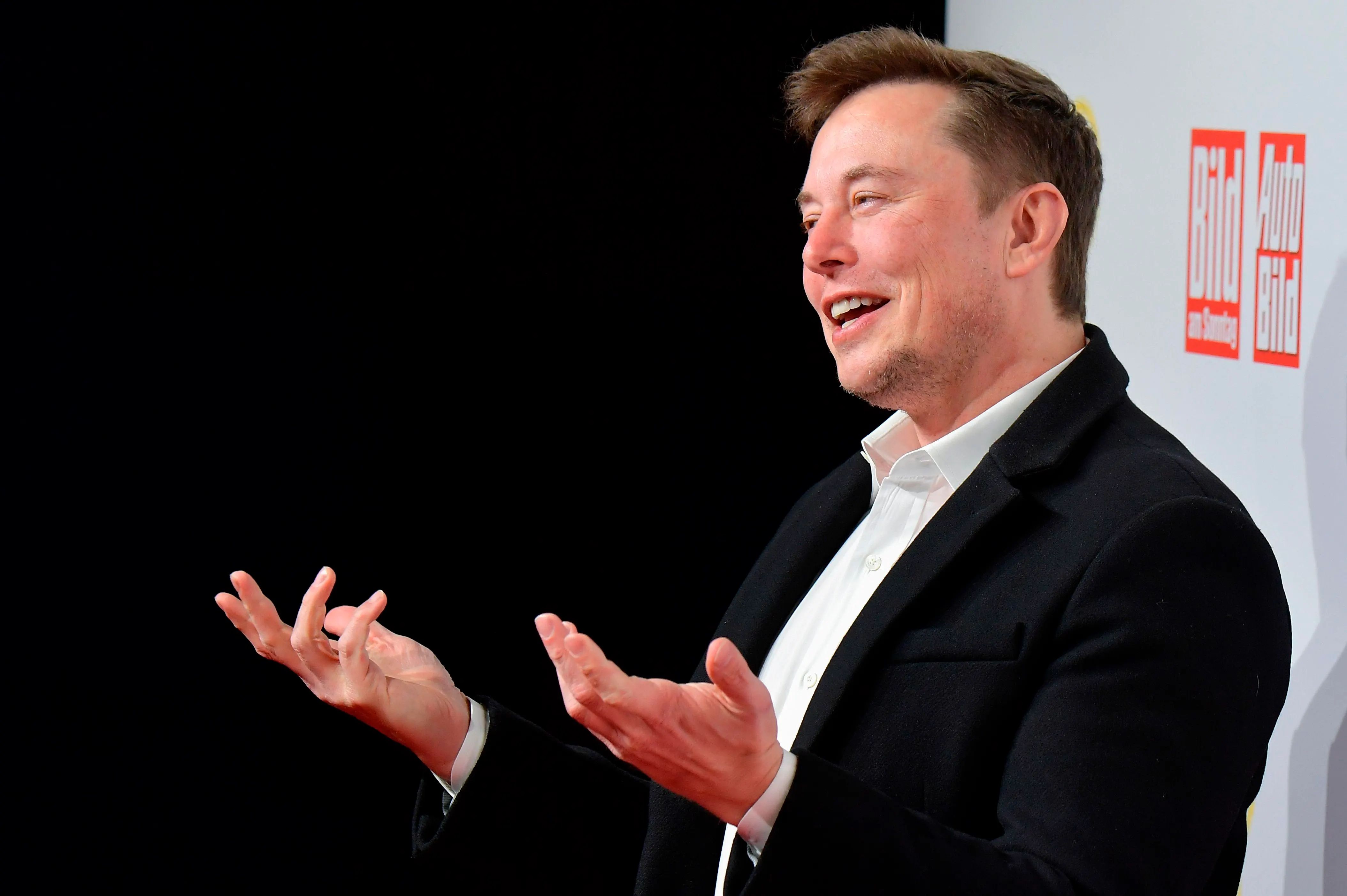
The U.S. Securities and Exchange Commission (SEC) announced its intent to seek sanctions against Elon Musk after he failed to appear for a court-ordered testimony regarding his $44 billion acquisition of Twitter. According to a filing in a San Francisco federal court, Musk notified the SEC just three hours before his scheduled September 10 testimony that he would not attend.

The SEC claims Musk’s absence is part of a broader pattern of “gamesmanship” and delay tactics, and they will be filing a motion to hold him in civil contempt. Musk, who was at Cape Canaveral overseeing SpaceX’s Polaris Dawn mission on that day, argued through his lawyer, Alex Spiro, that his absence was an “emergency” and attending the launch was critical to astronaut safety.

The SEC’s investigation centers on whether Musk violated securities laws in early 2022 when he began accumulating Twitter stock. Shareholders and regulators have criticized Musk for delaying the disclosure of his ownership stake, which eventually reached 9.2%, beyond the 5% threshold that mandates public disclosure. Musk’s defense claims the delay was an oversight and that it was “a mistake” rather than intentional wrongdoing.

This latest conflict follows a longstanding feud between Musk and the SEC, dating back to 2018 when the regulator sued him over misleading tweets about taking Tesla private. Musk settled that lawsuit by paying a $20 million fine and stepping down as Tesla’s chairman.

Musk’s testimony has been rescheduled for October 3, but the SEC remains skeptical about his compliance. The regulator is pushing for clear consequences to ensure Musk does not continue to evade their investigation.
 

Tesla, Nvidia Lead Nasdaq Surge After Fed Rate Cut

The Nasdaq experienced one of its strongest rallies of 2024 on Thursday, surging 2.5% as investors flocked to tech stocks following the Federal Reserve’s first interest rate cut since 2020. Tesla and Nvidia led the charge, with Tesla shares climbing 7.4% and Nvidia jumping 4%, boosting the tech-heavy index to its fourth-largest gain this year. The biggest surge occurred on February 22, when the Nasdaq rose by 3%.

Tech stocks tend to benefit from lower interest rates due to reduced borrowing costs and more favorable investment conditions. The Fed’s half-point rate cut, along with indications of further reductions by the year’s end, created a bullish environment for tech stocks. The central bank’s “dot plot” suggests another 50 basis points of cuts before 2025, potentially reducing rates by 2 percentage points overall.

Thursday’s rally lifted the Nasdaq to 18,013.98, its highest point since mid-July and only 3.5% below the 2024 peak of 18,647.45, reached on July 10. Nvidia, a key player in the artificial intelligence (AI) revolution, closed at $117.87, up 4%. The company’s processors are fueling the rise of generative AI and tools like OpenAI’s ChatGPT. Nvidia’s stock is up around 138% this year, although still 13% below its all-time high from June.

Nvidia’s impressive growth is largely driven by major customers such as Microsoft, Meta, Alphabet, Amazon, Oracle, and OpenAI, which use its technology to develop large language models and manage substantial AI workloads. However, lower interest rates are expected to further bolster Nvidia’s stock performance.

Other chipmakers saw gains as well, with Advanced Micro Devices (AMD) up 5.7% and Broadcom rising 3.9%. While AMD is still trailing Nvidia in the AI race, its CEO, Lisa Su, emphasized that AI is a long-term game. Speaking with CNBC’s Jim Cramer, Su pointed out that the widespread adoption of AI is still in its early stages, and its impact will be seen in fields like education and healthcare over time. “We all use it, and we’re all learning,” she said.

Tesla was the standout among the tech megacap companies, posting a 7.4% gain on Thursday. Despite this jump, the electric vehicle maker has struggled in 2024, with its stock down nearly 2% for the year. However, Tesla is up 72% from its lowest point in April. Other tech giants, including Apple and Meta, also saw strong performances, both closing with nearly 4% gains.


Tesla Rival Nio Slashes Price on New Onvo-Branded L60 SUV

Nio, Tesla’s Chinese rival, has announced a price cut for its new Onvo-branded L60 SUV, intensifying competition in the electric vehicle market. The L60, Onvo’s first car, is now priced at 149,900 Chinese yuan ($21,210) when purchased with a battery subscription starting at 599 yuan per month (approximately $1,000 annually). Alternatively, buyers can opt for a model with both the car and the battery for 206,900 yuan. Deliveries are set to begin on September 28.

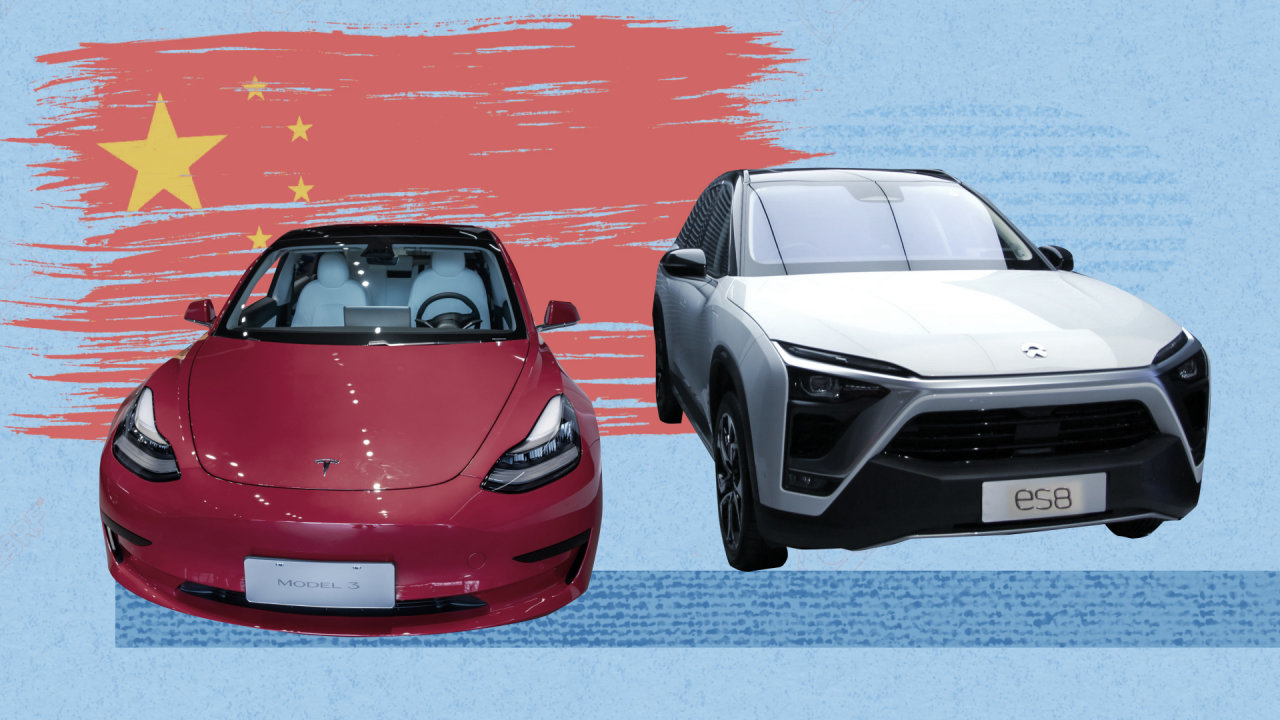
Nio’s shares briefly surged by more than 3.5% in U.S. trading after the L60’s price drop announcement. When the Onvo brand was first introduced in May, the L60 was priced at 219,900 yuan, already lower than Tesla’s Model Y, which sells for 249,900 yuan in China.

Nio CEO William Li, in an exclusive interview, hinted at plans to launch Onvo in Europe next year, although no specific timeline was provided. Li emphasized that Onvo is intended to target a different market segment than Nio’s premium vehicles, and he expects no significant overlap in customer bases. Li also noted that Nio’s deliveries have improved since the Onvo brand’s announcement, signaling the new brand’s potential to capture a broader audience.

China’s electric vehicle industry is fiercely competitive, with several companies aiming to challenge Tesla’s market share. Geely-backed Zeekr is set to launch its first midsize electric SUV, the Zeekr 7X, priced at 239,900 yuan, while Xpeng recently introduced its mass-market Mona brand, with the M03 electric coupe starting at 119,800 yuan. Tesla’s cheapest offering in China, the Model 3, costs 231,900 yuan, even after an April price cut.

Chinese electric car manufacturers have increasingly set their sights on expanding overseas, particularly in Europe. However, the European Union is on the verge of increasing tariffs on Chinese-made battery electric vehicles, which could further challenge these automakers. Nio is cooperating with the EU’s investigation into Chinese EV subsidies, and its vehicles will face a 20.8% duty, higher than the tariffs imposed on competitors Geely and BYD.

Nio plans to begin deliveries in the United Arab Emirates during the fourth quarter, according to Li, who shared these details during a recent earnings call. He acknowledged the challenges posed by Europe’s tariffs but noted that Nio is still committed to its existing markets and continues to build infrastructure, such as power swap stations, in Europe. Nio also opened its “Nio House” in Amsterdam earlier this year.

Li expects monthly deliveries of the L60 to reach 10,000 by December, with a goal of 20,000 per month by 2024. The company anticipates a 15% vehicle margin on the Onvo-branded cars and aims to have over 200 stores in China by the end of this year, with more than 100 already open. Additionally, Nio is preparing to launch its even lower-priced Firefly brand internationally next year.