Yazılar

Tesla Bets Big on ‘Black Box’ AI for Robotaxis Amid Mounting Pressure

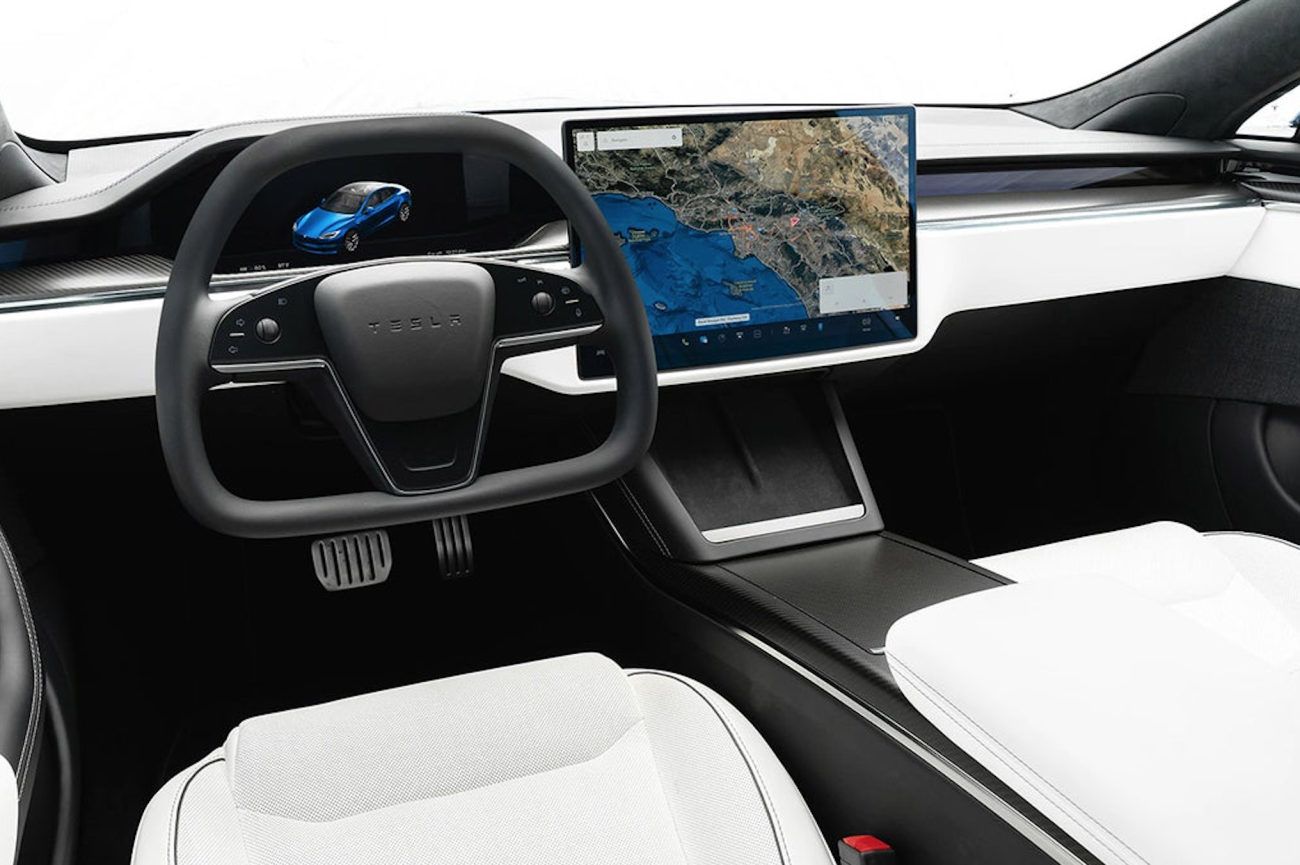
Tesla is gearing up for the highly anticipated “robotaxi unveil,” a critical moment for CEO Elon Musk’s decade-long promises of autonomous driving. Set to showcase a prototype called “Cybercab,” the automaker is not expected to reveal a fully operational driverless vehicle. Tesla’s success in convincing regulators and passengers of the vehicle’s safety, however, faces significant hurdles, especially as competitors like Waymo have already launched robotaxi services in select cities.

Tesla’s self-driving approach is distinct from its rivals. Unlike Waymo or General Motors’ Cruise, Tesla relies solely on cameras and end-to-end machine learning, which processes visual data into driving decisions. While this method promises simplicity and cost-effectiveness, it lacks the redundant systems, like radar and lidar, that ensure safety in more unpredictable driving scenarios. Autonomous vehicle experts argue this leaves Tesla’s approach vulnerable to “edge cases” — unusual, complex driving conditions that AI may not predict or handle properly.

Another challenge facing Tesla is the “black box” nature of its AI, which makes it difficult to diagnose system failures after accidents. Without clear insight into why the AI makes certain driving decisions, safeguarding against future errors becomes more complex. Industry leaders, including Nvidia CEO Jensen Huang, warn that such AI systems are unreliable without more traditional safety layers like sensors.

For Tesla, achieving full autonomy is crucial as it faces declining sales and fierce competition from Chinese electric vehicle makers. Musk has increasingly pivoted toward autonomous driving as a key priority, with the promise of affordable, driverless robotaxis that can operate anywhere. Tesla’s rivals, while already deploying robotaxi services, are confined to small, meticulously mapped zones and operate more expensive vehicles.

Musk’s bold promises date back years, including a 2016 pledge that Tesla cars would soon be able to drive themselves across the country. Despite numerous delays and failed predictions, Tesla’s upcoming event has sparked widespread speculation, especially after it scrapped plans for a $25,000 mass-market EV, known as the Model 2.

Tesla’s reliance on AI-enabled vision technology does offer advantages, particularly its ability to gather vast amounts of data from millions of vehicles already on the road. This data, analyzed by its machine learning systems, could eventually make Tesla’s cars safer and more autonomous. In contrast, competitors like Waymo and Cruise collect data from much smaller fleets equipped with more expensive sensors.

Despite Musk’s optimism, experts caution that Tesla is still years away from achieving fully autonomous driving capabilities. Waymo’s former CEO John Krafcik emphasized the importance of redundant safety systems and warned that Tesla’s AI approach may be insufficient for ensuring safety. Critics point out that AI systems like Tesla’s cannot always explain why they make certain decisions, complicating efforts to build safe, autonomous vehicles.

Tesla’s bold bet on end-to-end AI has put the company in a race against time. As it focuses heavily on self-driving technology, it risks alienating investors who have supported its electric vehicle ambitions. However, Musk remains undeterred, doubling down on promises to deliver full autonomy within a year. Whether Tesla can overcome the substantial challenges of its AI-driven vision strategy remains uncertain, but the stakes — and potential rewards — are higher than ever.
 

Baidu’s Robotaxi Unit Eyes Global Expansion Amid Rising Competition

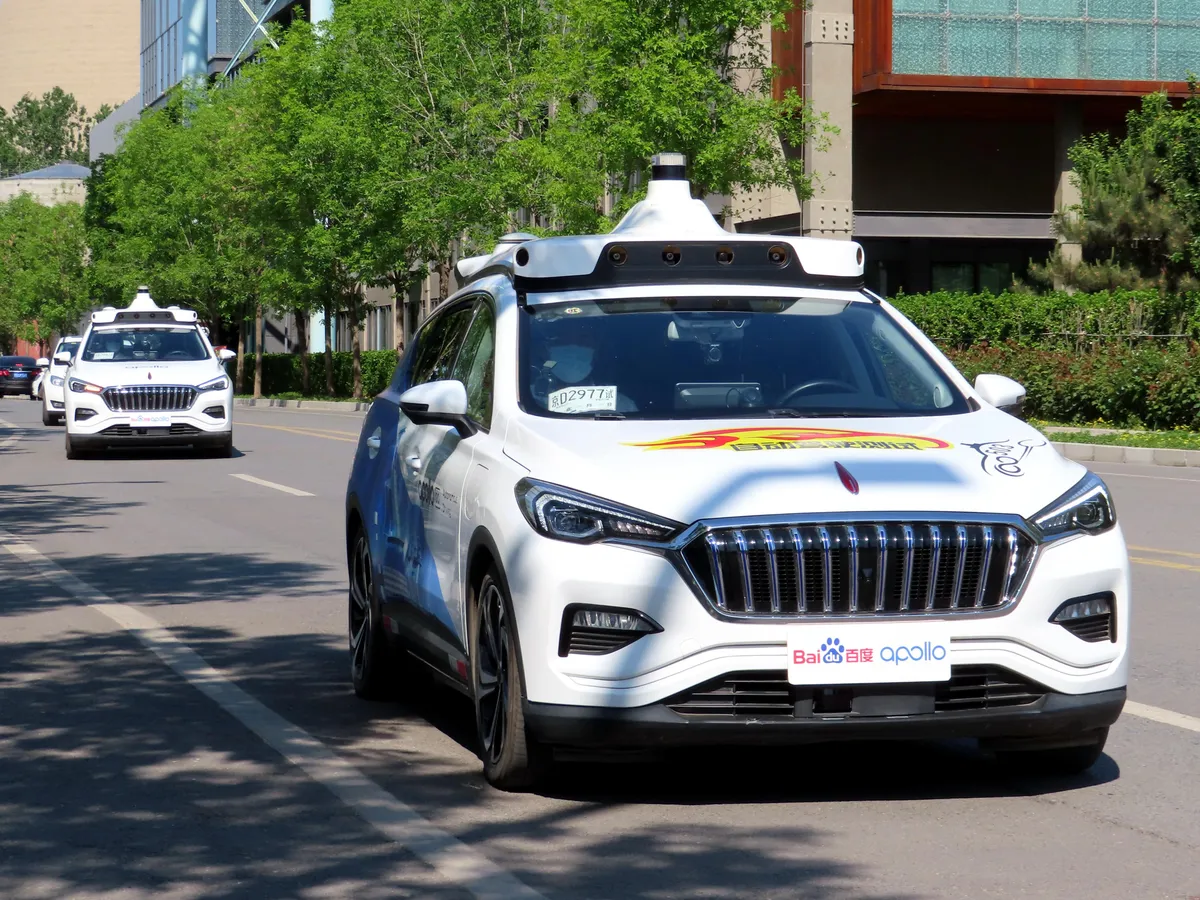
Baidu’s autonomous driving division, Apollo Go, is reportedly exploring potential expansion into international markets in the near future. According to an inside source, discussions with various firms are underway, although specifics on timelines or targeted regions have not yet been revealed.

Baidu is currently one of China’s leading operators in the robotaxi sector. The company has made significant strides in autonomous driving technology and has been allowed by local regulators in cities like Beijing and Wuhan to run commercial self-driving taxi services. Wuhan stands out as Apollo Go’s largest area of operation, where robotaxis have been in use beyond just testing phases.

The move toward global expansion comes amid increasing competition in the robotaxi space, particularly as Tesla gears up for its much-anticipated robotaxi event this Thursday. Another Chinese player in the field, WeRide, recently announced a partnership to integrate its autonomous vehicles with Uber’s ride-hailing platform in Abu Dhabi. However, that collaboration is not expected to extend to the U.S. or Chinese markets.

In July, electric vehicle giant BYD also teamed up with Uber to work on developing “autonomous-capable vehicles” for Uber’s platform, though no further details have been disclosed regarding this partnership.

In China, Baidu’s Apollo Go, along with other companies like Pony.ai, heavily subsidizes robotaxi rides to drive user adoption. While regulations currently mandate a human attendant to be present inside some of the autonomous vehicles for safety reasons, Baidu continues to push forward with its self-driving services. By late July, Apollo Go had reportedly completed over 7 million robotaxi rides.

On a separate note, Baidu announced changes to its executive leadership on Tuesday. Rong Luo, who was serving as the company’s Chief Financial Officer (CFO), will step down from that role to take on the position of Executive Vice President overseeing Baidu’s mobile ecosystem unit. Junjie He, the former head of the mobile division, will take over as interim CFO. The company characterized these shifts as part of a “management rotation.”


EU Tariffs Unlikely to Deter Chinese EV Makers from Expanding in Europe

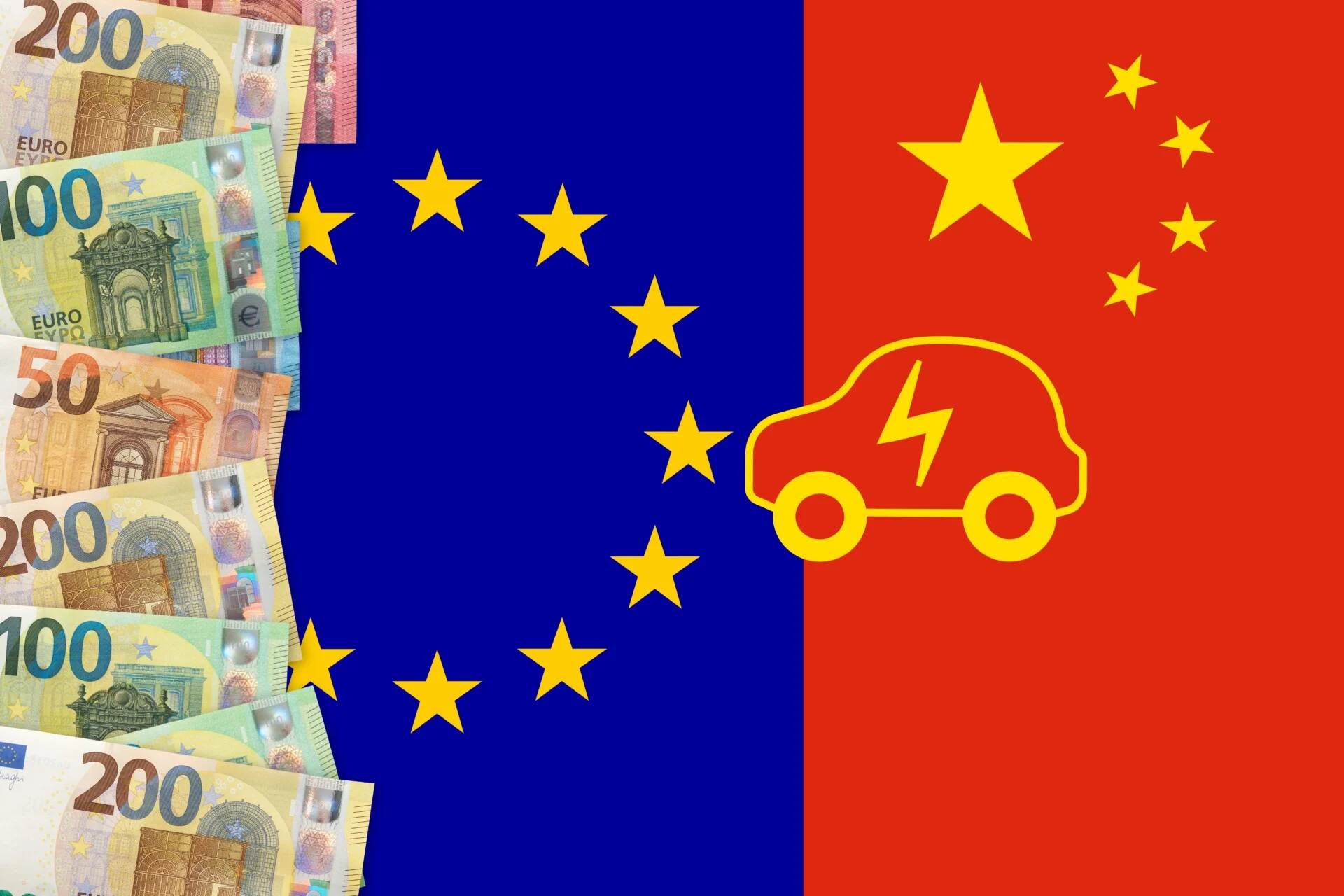
Despite the European Union’s new tariffs on Chinese electric vehicles (EVs), Chinese automakers remain well-positioned to expand in the European market. Recent revisions have slightly reduced the tariffs, with BYD seeing a cut to 17% from 17.4%, Geely to 19.3% from 19.9%, and SAIC from 37.6% to 36.3%.

Research by Rhodium suggests that tariffs would need to be as high as 50% to make Europe unattractive to Chinese EV exporters, and potentially even higher for vertically integrated manufacturers like BYD. At their current levels, these tariffs will not significantly hinder Chinese EV manufacturers from entering the European market. Joseph McCabe, president and CEO of AutoForecast Solutions, noted that while the tariffs introduce hurdles, they do not act as barriers, given the strong interconnections between European and Chinese original equipment manufacturers (OEMs).

In contrast to the EU, North America has taken a more aggressive stance, with the U.S. imposing a 100% tariff on Chinese EVs, followed by a similar move from Canada. McCabe highlighted that the EU is attempting to balance promoting domestic production without severely impacting its interconnected Chinese operations.

Chinese automakers, particularly BYD, are also targeting the European market with competitively priced models. In May, BYD announced its Dolphin model, priced at under $21,550—significantly cheaper than Tesla’s China-imported Model 3, which faces a 9% tariff and sells for $44,480 in the UK. Even with the EU’s 17% tariff, the Dolphin remains about $23,270 cheaper than Tesla’s Model 3.

To compete, Volkswagen plans to release a low-cost electric vehicle priced similarly to BYD’s offerings by 2027. However, McCabe noted that new, innovative EV players are often valued more for their potential than short-term financial performance, which is the focus for legacy manufacturers like Volkswagen.

William Ma, CIO of GROW Investment Group, pointed out that tariffs would need to rise to 300% to significantly impact Chinese EV makers, which is unlikely. The risk of retaliatory tariffs from China also complicates the EU’s approach, especially given ongoing tensions over perceived unfair subsidies for Chinese EV manufacturers.

Ma suggested that geopolitical factors and sanctions could persist for another year or two, making the situation difficult to resolve in the short term.