Yazılar

TikTok building U.S.-only app with separate algorithm and data systems

TikTok is developing a standalone U.S. version of its platform, complete with a distinct algorithm and data system, to comply with U.S. legislation that mandates the divestment of its American operations. The project, internally known as “M2,” aims to meet a September deadline and could clear the path for a potential sale of TikTok’s U.S. business, Reuters reports, citing employees with direct knowledge.

The move involves duplicating TikTok’s codebase — including AI models, algorithms, features, and U.S. user data — from its global app to an independent U.S.-specific version. It is TikTok’s most ambitious technical separation effort to date and would represent the deepest structural divide between ByteDance’s U.S. and international operations. The U.S.-only version would function much like Douyin, TikTok’s China-specific app, and would not be visible to users outside the U.S.

The initiative responds to the 2024 law requiring ByteDance to divest TikTok or face a ban, amid long-standing U.S. concerns about data privacy and national security. While content from the current app is expected to carry over, the new recommendation engine will be trained solely on U.S. user data. This is expected to shift content visibility toward American creators and possibly limit international reach for non-U.S. influencers.

Sources revealed that since January, TikTok has been removing non-U.S. user data from Oracle’s American data centers to comply with separation demands. Meanwhile, ByteDance has worked on splitting its algorithm’s codebase — a move it previously denied.

If the technical split is completed, U.S. operations would be managed independently of TikTok’s global team, although ByteDance engineers might remain involved on a limited basis. This has raised internal questions about whether the U.S. algorithm will retain its effectiveness without access to ByteDance’s global engineering expertise.

A potential sale would involve a joint venture including American investors such as Susquehanna International Group, General Atlantic, KKR, and possibly Oracle, along with new players like Blackstone and Andreessen Horowitz. ByteDance would retain a minority stake. However, Beijing’s approval remains uncertain due to China’s export restrictions on recommendation algorithms, a key concern in the stalled 2020 negotiations.

The separation effort is unfolding against a broader backdrop of U.S.-China trade tensions. While former President Donald Trump said last week he would resume discussions with China over the sale, he admitted uncertainty over Beijing’s cooperation, adding, “I think the deal is good for China and it’s good for us.”
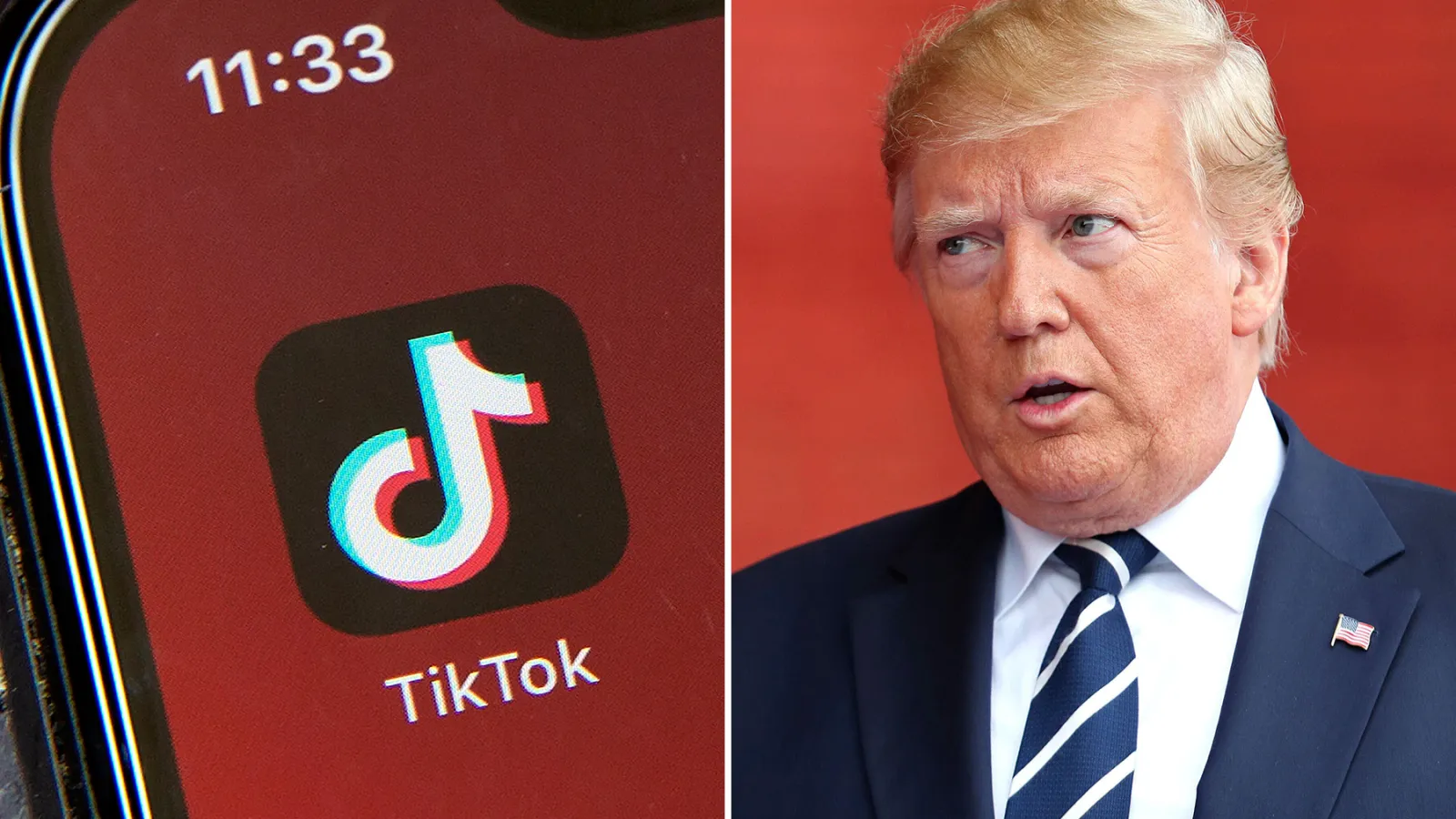
Trump to Extend TikTok Sale Deadline for Third Time, White House Confirms

U.S. President Donald Trump will extend the June 19 deadline for ByteDance, TikTok’s China-based parent company, to divest the app’s U.S. assets by 90 days, according to the White House. This marks the third extension of the deadline imposed by a law requiring either a sale or shutdown of TikTok in the United States unless significant progress toward divestment was made.

White House Press Secretary Karoline Leavitt said on Tuesday that Trump plans to sign another executive order this week to keep TikTok operational, pushing the deadline to mid-September. She emphasized the administration’s intention to ensure the sale is completed so Americans can continue using TikTok with confidence in their data’s security.

Trump previously extended the deadline twice: initially delaying enforcement from January to early April, then again to June 19. He cited TikTok’s popularity among young voters in the 2024 election as a reason for the extensions. On Tuesday, Trump told reporters aboard Air Force One that he expected to extend the deadline again and expressed optimism that Chinese President Xi Jinping would approve the deal.

The law mandated TikTok’s shutdown by January 19 unless ByteDance completed the sale of its U.S. operations or demonstrated significant progress. Negotiations have aimed to spin off TikTok’s U.S. operations into a new, majority U.S.-owned company, but progress stalled after China signaled it would not approve the deal, especially following Trump’s announcements of steep tariffs on Chinese goods.

Democratic senators have criticized the extensions, questioning Trump’s legal authority to continue delaying enforcement and expressing concerns that the proposed deal would not satisfy legal requirements.

Trump Considers Tariff Reduction to Secure TikTok Deal

U.S. President Donald Trump announced on Wednesday that he may lower tariffs on China as an incentive for ByteDance to finalize a deal to sell TikTok, which is used by 170 million Americans.

ByteDance faces an April 5 deadline under a 2024 law requiring it to divest TikTok’s U.S. operations or face a ban due to national security concerns. Trump indicated he is open to extending the deadline if necessary to facilitate a deal, acknowledging that China must approve any sale.

“Maybe I’ll give them a little reduction in tariffs or something to get it done,” Trump told reporters, suggesting the administration is willing to use trade policy as leverage.

China’s commerce ministry reiterated its position that it seeks negotiations based on “mutual respect, equality, and mutual benefit.” Meanwhile, Vice President JD Vance has expressed confidence that a resolution will be reached by the April 5 deadline.

Reports indicate that White House-led discussions are moving toward a plan in which ByteDance’s largest non-Chinese investors would increase their stakes and acquire TikTok’s U.S. operations. The White House has taken an unprecedented role in the negotiations, acting almost like an investment bank.

TikTok briefly went offline in January after the U.S. Supreme Court upheld the ban, but Trump later postponed enforcement until April 5. He has signaled he could extend the deadline further if needed.

The proposed divestiture has sparked legal challenges from free speech advocates, who argue the ban could violate the First Amendment by restricting access to foreign media.