Yazılar

Apple Forecasts Strong Holiday Quarter as iPhone 17 Demand Surges

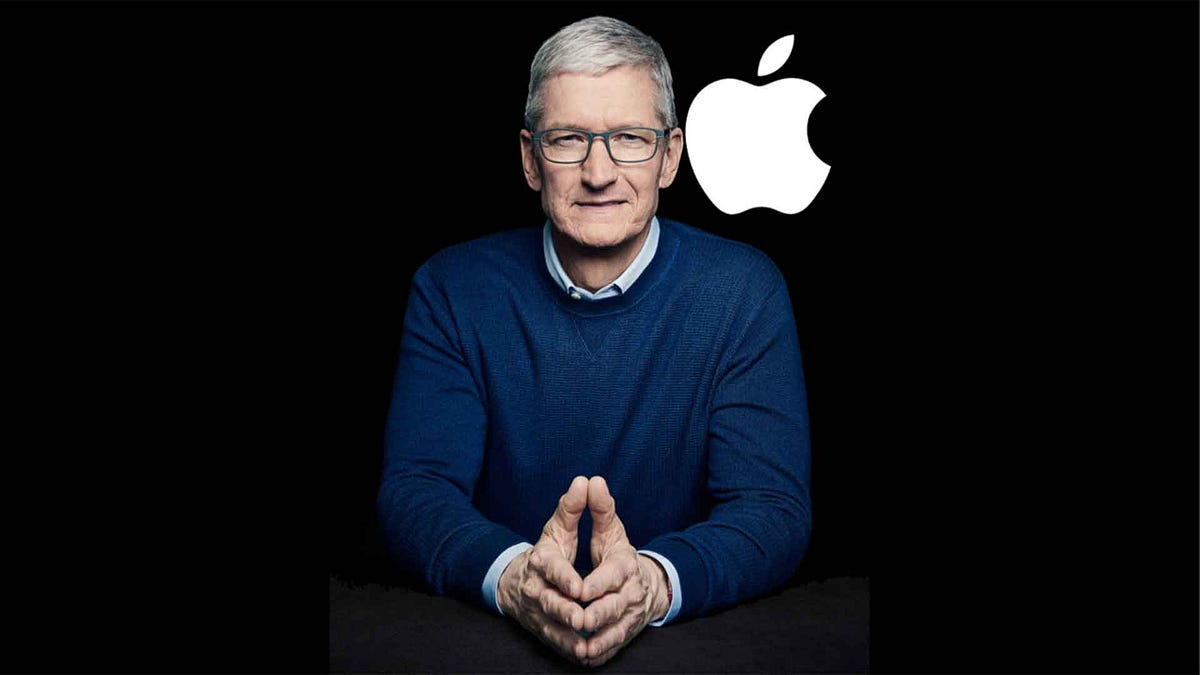
e CEO Tim Cook announced forecasts for the company’s upcoming holiday quarter that surpass Wall Street expectations, driven by robust demand for the new iPhone 17 lineup despite ongoing supply challenges. Cook expects iPhone sales to grow by double digits year-over-year and total revenue to rise between 10% and 12% in Apple’s fiscal first quarter of 2026.

The company’s previous quarter saw iPhone sales fall short of projections due to shipping delays and supply constraints, particularly in China, where the launch of the ultra-thin iPhone Air was delayed. However, the shortfall was offset by strong sales in other product categories, such as AirPods featuring AI-powered translation capabilities.

Apple’s quarterly revenue reached $102.47 billion with profits of $1.85 per share, beating Wall Street’s expectations. Shares rose 3.7% in after-hours trading following the announcement.

Cook said supply constraints on several iPhone 17 models persist, but the company is working rapidly to fulfill orders. “It’s a good problem to have,” he remarked, emphasizing Apple’s confidence in returning to growth in China during the next quarter.

The company’s broader strategy focuses on integrating advanced AI features into its ecosystem. While rivals have surged ahead in AI, Cook confirmed that Apple is making “good progress” on major Siri upgrades expected next year. With its new iPhone Air, enhanced Pro models, and strong holiday demand, Apple is poised for one of its most profitable quarters yet.
Tim Cook reaffirms Apple’s commitment to China amid U.S.-China trade tensions

Apple CEO Tim Cook pledged to increase the company’s investment in China during a meeting with China’s Industry Minister Li Lecheng in Beijing on Wednesday, signaling Apple’s intent to strengthen its presence in its most crucial manufacturing hub despite rising geopolitical tensions.

According to an official Chinese summary, Cook said Apple would continue to invest in China, though details of the scale or focus of the investment were not disclosed. The move comes as many U.S. firms tread cautiously between Beijing and Washington, with U.S. President Donald Trump pushing for domestic manufacturing and imposing tariffs that have strained global supply chains.

Apple has so far avoided the direct fallout of the trade war, unlike other tech firms such as Nvidia and Qualcomm, which have faced regulatory challenges in China. Still, the iPhone maker must balance its relationships carefully — reassuring Washington of its “American Manufacturing Program,” while maintaining ties with Chinese suppliers that produce the bulk of its devices.

Earlier this week, Apple COO Sabih Khan visited Lens Technology, a longtime Chinese supplier of iPhone glass components, while Cook toured Apple’s Shanghai store and met with local developers and designers. Apple’s sales in China rose 0.6% year-on-year in the third quarter, aided by strong demand for the iPhone 17 series, making it the only top-three smartphone brand in the country to post growth.

China’s industry minister expressed optimism that Apple would “continue to explore the Chinese market and grow together with Chinese suppliers,” emphasizing Beijing’s intent to sustain a favorable environment for foreign businesses.

Apple Faces Shareholder Lawsuit Over Alleged Overstatement of AI Progress

Apple (AAPL.O) was sued on Friday by shareholders in a proposed securities fraud class action accusing the company of overstating its progress in integrating advanced artificial intelligence into its Siri voice assistant. The lawsuit claims this misrepresentation negatively impacted iPhone sales and Apple’s stock price.

The complaint covers shareholders who experienced significant losses, potentially amounting to hundreds of billions of dollars, over the year ending June 9, 2025. During that period, Apple introduced several product features and aesthetic upgrades but kept AI advancements modest.

Apple has not yet responded to requests for comment. The lawsuit names CEO Tim Cook, Chief Financial Officer Kevan Parekh, and former CFO Luca Maestri as defendants. The case was filed in the U.S. District Court for the Northern District of California in San Francisco.

Shareholders, led by Eric Tucker, argue that at Apple’s Worldwide Developers Conference in June 2024, the company implied that AI would play a major role in the iPhone 16. Apple launched “Apple Intelligence,” which was marketed as enhancing Siri’s power and user-friendliness. However, the plaintiffs contend that Apple did not have a functional prototype of AI-based Siri features and could not reasonably expect those features to be ready for the iPhone 16 launch.

The lawsuit states that the reality started to become apparent on March 7, 2025, when Apple announced delays to some Siri upgrades until 2026. This was further reinforced at the June 9 Worldwide Developers Conference when analysts expressed disappointment with Apple’s AI progress.

Since hitting a record high on December 26, 2024, Apple shares have fallen nearly 25%, erasing roughly $900 billion in market value.

The case is identified as Tucker v. Apple Inc et al, U.S. District Court, Northern District of California, No. 25-05197.