
Yazılar

Marvell Postpones Investor Day, Narrows Revenue Forecast Amid Trade-Driven Economic Uncertainty

Marvell Technology, a major player in networking and custom AI chips, announced Tuesday it is postponing its upcoming investor day due to what it called a “dynamic macroeconomic environment,” citing ongoing global trade tensions and economic uncertainty. The decision spooked investors, sending Marvell shares down more than 6% in after-hours trading.

The company also narrowed its Q1 fiscal 2026 revenue guidance, now expecting approximately $1.875 billion, within a tighter range of ±2%, compared to its prior forecast of ±5%. The midpoint of the outlook remains unchanged.

The announcement comes as semiconductor and computing firms navigate turbulent waters driven by shifting U.S. trade policy under President Donald Trump. Although Trump paused a sweeping new import tariff plan for 90 days starting April 9 to allow negotiations, a baseline 10% tariff and additional duties on key partners remain in place, impacting global supply chains and corporate planning.

Marvell’s COO Chris Koopmans previously stated that tariffs had not yet affected the company’s data center segment, but broader concerns linger industry-wide. Nvidia recently warned of a $5.5 billion impact due to U.S. export restrictions on AI chips bound for China, while ASML raised caution over its future sales outlook.

The postponement of Marvell’s investor day suggests the company may be waiting for greater clarity on trade policies and economic stability before providing long-term strategic updates to shareholders.
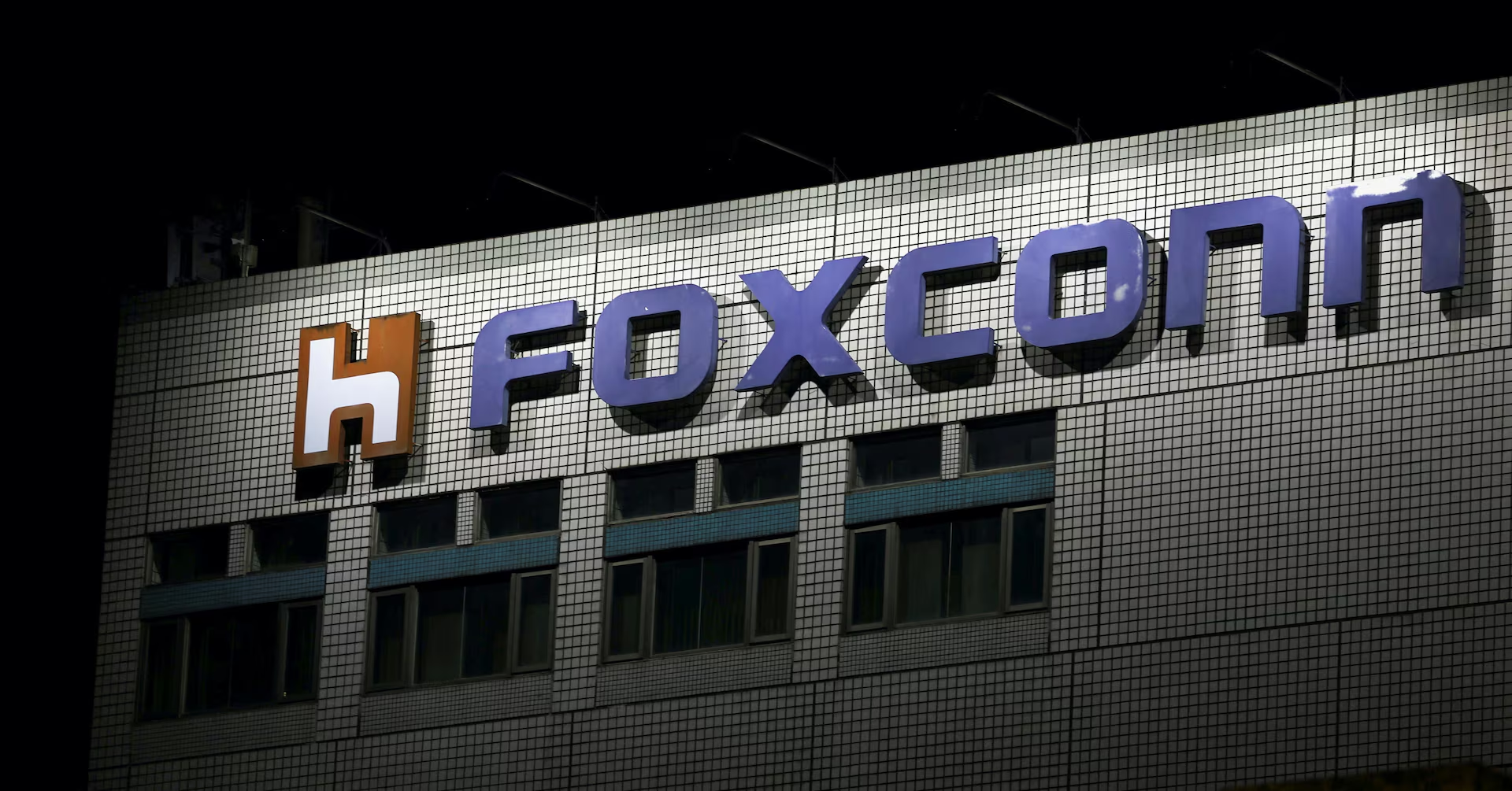

Foxconn Says It Can Adapt Production to Trump Tariffs

Foxconn, the world’s largest contract electronics manufacturer and Apple’s primary iPhone maker, announced that it can adjust its production strategy to accommodate potential new U.S. tariffs. This statement was made by Foxconn Chairman Young Liu on Wednesday during a press briefing at the company’s headquarters in New Taipei, Taiwan.

The announcement comes after U.S. President Donald Trump introduced a 25% tariff on all U.S. imports from Mexico and Canada, though the tariff has been paused until March 4. Liu highlighted that Foxconn already operates production facilities in both the United States and Mexico.

“Depending on the tariffs, we will plan different production capacities accordingly,” Liu said. He emphasized that Foxconn is prepared to make necessary adjustments with its U.S.-based partners to meet Trump’s call for more domestic manufacturing.

Liu explained that the company’s flexible global production model minimizes the impact of tariff changes. “For the company, if we don’t manufacture here, we can do it there, so the impact is not too great,” he noted.

However, Liu expressed concern about the broader implications of tariffs, stating that they would not benefit the global economy and could reduce market size.

Brazil Denies Report of Tax on US Tech Firms Amid Trump Steel Tariffs

Brazil’s Finance Minister, Fernando Haddad, denied reports on Monday suggesting that the country was considering imposing taxes on U.S. tech companies in response to President Donald Trump’s proposed 25% tariff on all U.S. steel imports.

The speculation arose after a report from the Brazilian newspaper Folha de S.Paulo, which claimed that the administration of President Luiz Inácio Lula da Silva was contemplating levying tariffs on major tech firms as a retaliatory measure.

Haddad quickly refuted the claims on social media, emphasizing that the information was inaccurate. He reiterated that the Brazilian government would only make official statements based on concrete decisions, not speculative announcements that could be misinterpreted or later changed.

The report had suggested that tech giants such as Amazon (AMZN.O), Meta Platforms (META.O), and Alphabet (GOOGL.O) could be targeted by such a tax. However, Haddad’s remarks clarified that no such plans were under consideration at this time.

Brazil, a significant supplier of U.S. steel imports, also serves as a key market for many large tech companies, which would have been affected by such a tax. The denial comes as Trump is set to introduce additional tariffs on steel and aluminum imports, escalating his trade policy strategy.