Yazılar

China Launches Antitrust Probe Into Nvidia Amid US-China Chip Tensions

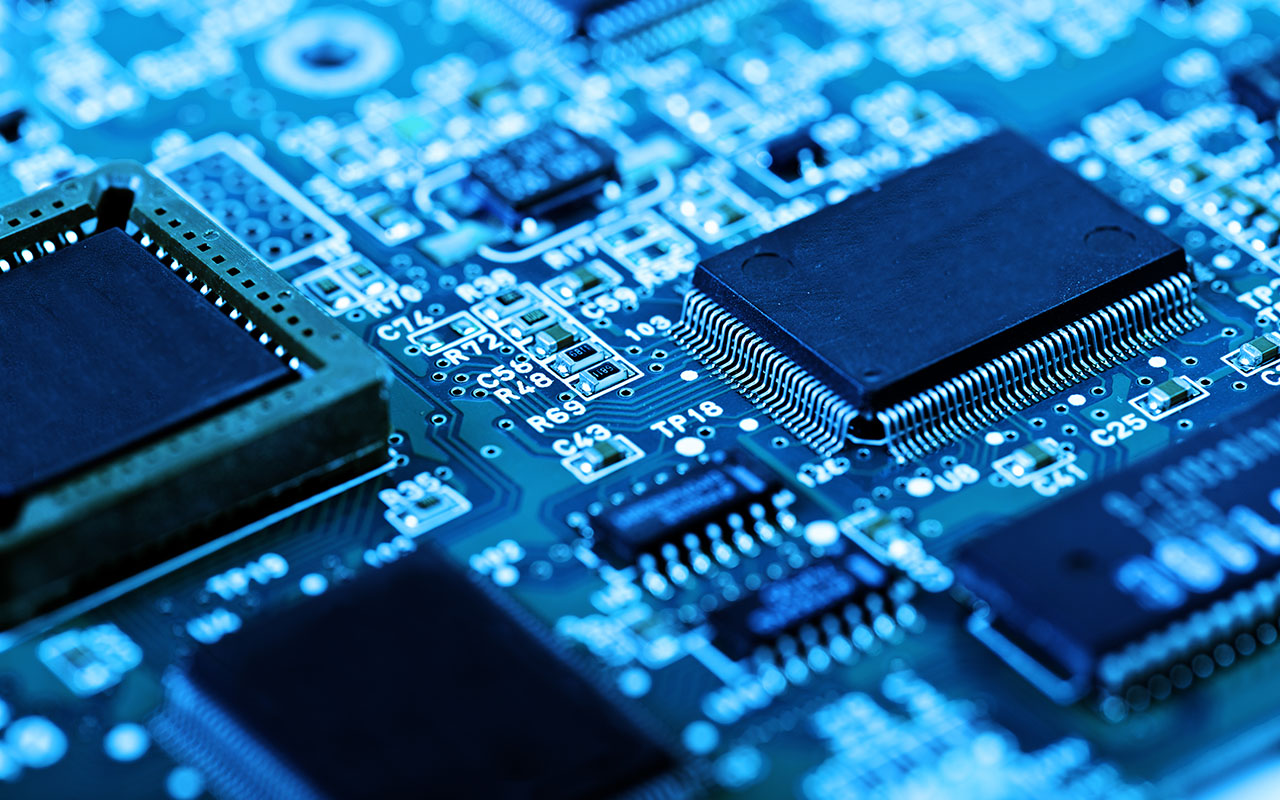
China announced on Monday it has launched an antitrust investigation into Nvidia, targeting alleged violations of the country’s anti-monopoly law. This move is seen as a countermeasure to recent U.S. restrictions on China’s semiconductor industry, escalating tensions in the ongoing tech rivalry between the two nations.

The State Administration for Market Regulation (SAMR) stated that Nvidia, known for its AI and gaming chips, is under scrutiny for potentially breaching conditions set during its 2020 acquisition of Israeli chipmaker Mellanox Technologies. While details remain scarce, the regulator mentioned suspicions about Nvidia violating commitments to supply products on “fair, reasonable, and non-discriminatory” terms, among other stipulations.

Retaliatory Backdrop

This probe follows heightened tensions between Washington and Beijing. Last week, the U.S. introduced new restrictions on 140 Chinese companies, further curbing China’s access to advanced semiconductor technology. In response, Beijing banned exports of critical minerals like gallium, germanium, and antimony to the U.S.

In addition, four major Chinese industry associations called on domestic firms to reduce reliance on U.S. chips, labeling them “unsafe” and encouraging purchases from local suppliers. Nvidia, which once commanded over 90% of China’s AI chip market, has faced diminishing revenue from China, dropping from 26% of its global total two years ago to 17% by January 2023.

Nvidia’s shares fell by 2.5% on Monday following the announcement. The company stated it would cooperate with regulators and reaffirmed its commitment to honoring agreements in all regions. However, analysts like Bob O’Donnell from TECHnalysis Research believe the investigation’s immediate impact on Nvidia will be limited, as U.S. restrictions already prevent the sale of its most advanced chips to China.

Nvidia’s Strategic Adjustments

U.S. sanctions in 2022 prohibited Nvidia from selling its A100 and H100 AI chips to China, prompting the company to create modified versions for the Chinese market. Further tightened U.S. export controls in 2023 led Nvidia to develop new variants tailored to Chinese restrictions. Despite these challenges, Nvidia faces mounting competition from domestic players like Huawei.

China’s Antitrust Track Record

China’s antitrust probes into foreign tech companies are not new. The most prominent case occurred in 2013, when China fined Qualcomm $975 million for market abuse in wireless communication standards. Similar to that case, Nvidia is accused of practices such as discriminatory terms, product bundling, and unfair supply conditions—issues tied to the Mellanox acquisition conditions.

The investigation could signal Beijing’s intent to leverage regulatory tools to counter U.S. sanctions while fostering its domestic chip industry.
China Bans Export of Key Minerals to U.S., Escalating Trade Tensions

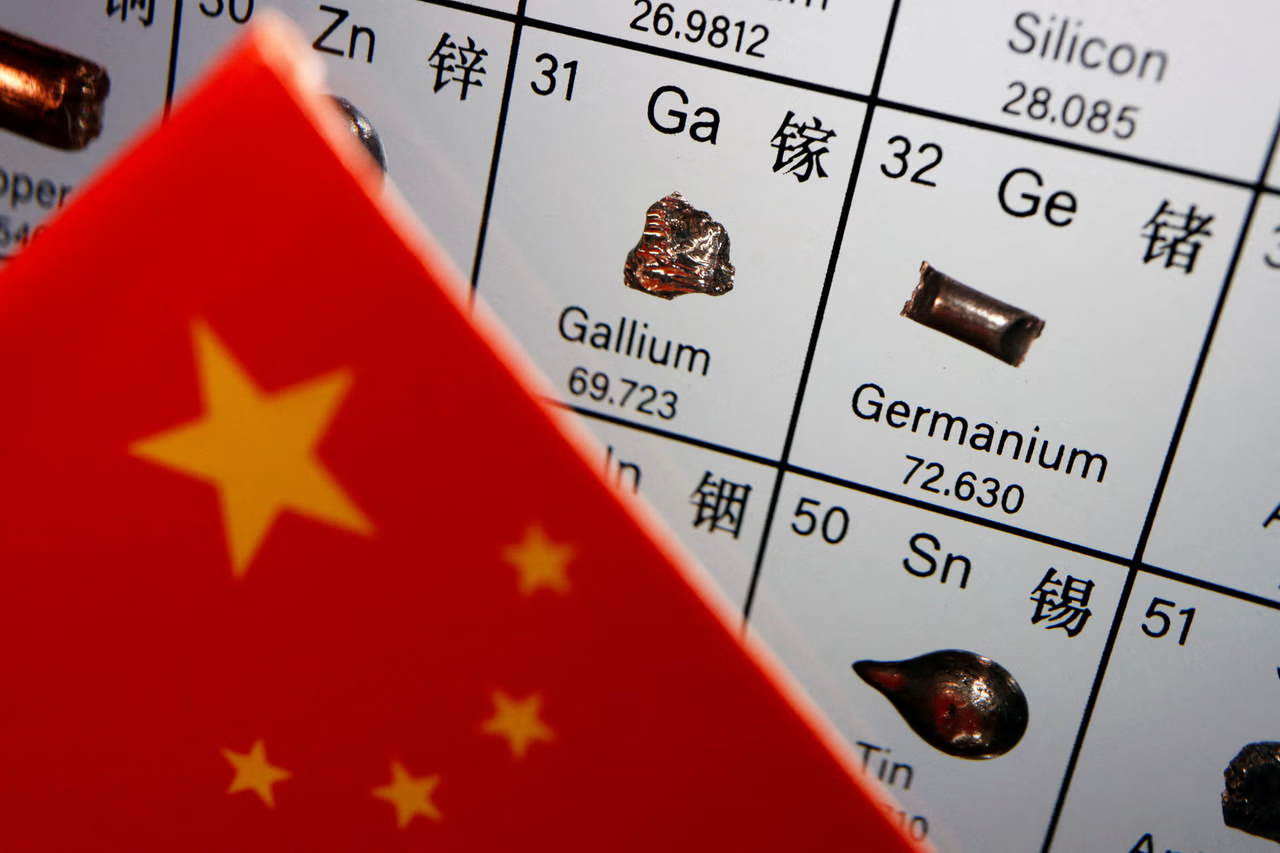
China’s Ministry of Commerce has imposed a ban on exporting critical minerals—gallium, germanium, and antimony—to the United States, citing national security concerns. The move, effective immediately, targets materials with dual-use applications in military and civilian sectors, further intensifying trade frictions between the world’s two largest economies.

Key Details of the Export Ban

  1. Minerals Impacted
    • Gallium and germanium are essential for semiconductors, infrared technology, fiber optics, and solar cells.
    • Antimony has applications in ammunition, infrared-guided missiles, nuclear weapons, batteries, and night vision technology.
  2. Stricter Reviews on Graphite
    Exports of graphite items to the U.S. will now undergo enhanced scrutiny to ensure compliance with end-use restrictions.
  3. Production and Market Implications
    • China dominates global production, contributing 98.8% of refined gallium, 59.2% of refined germanium, and 48% of globally mined antimony in 2023.
    • The announcement has already caused a significant spike in antimony trioxide prices, surging by 228% this year to $39,000 per metric ton.

Strategic Context

  • U.S. Semiconductor Restrictions
    The ban follows Washington’s recent curbs on exports to China’s semiconductor industry, targeting 140 companies, including chip equipment maker Naura Technology Group.
  • National Security Framing
    Both nations frame their actions as necessary for national security. China’s export restrictions align with prior measures to limit critical mineral access, a vital component of advanced technology and defense.
  • Economic Impacts
    Supply chains in the West, already under strain, face further disruption. “This is a considerable escalation of tensions in supply chains where access to raw materials is tight,” said Jack Bedder, co-founder of consultancy Project Blue.

Broader Trade Tensions

China’s move occurs amid increasing tensions as the U.S. enacts policies to limit China’s access to advanced technologies. The export ban coincides with President-elect Donald Trump’s plans for aggressive tariffs on Chinese goods, potentially signaling another round of trade wars akin to his previous administration.

Global Reaction and Outlook

  • Market Adjustments
    Western countries may intensify efforts to discover alternative sources for these minerals, with exploratory projects expected to increase globally.
  • Strategic Risks
    The restriction underscores growing economic decoupling, with potential ramifications for global industries reliant on these materials.
  • Future Negotiations
    Both nations are expected to leverage these policies as bargaining tools in upcoming trade negotiations.


Political Turmoil in Germany Deepens Woes for Major Industries Amid Trump’s Trade Pressures

Germany’s political crisis, unfolding alongside Donald Trump’s recent re-election, is adding strain to an already struggling economy, especially in key industries like automotive, banking, and energy. The collapse of Germany’s ruling three-party coalition has left the country in a precarious position with major reforms stalled and companies bracing for global shifts and trade tensions intensified by Trump’s administration and U.S.-China confrontations.

Following recent disagreements over how to revive the German economy, Europe’s largest, Chancellor Olaf Scholz’s government is now a caretaker administration, with new elections set for spring. Major firms such as Commerzbank, which hoped for government support to fend off a potential takeover bid from Italy’s UniCredit, and Volkswagen, Germany’s automotive giant, are now left without much-needed political backing. “In the face of global crises and uncertainty, we need clarity,” said Evonik Industries CEO Christian Kullmann, pressing for expedited elections.

Trump’s recent victory has amplified concerns about U.S.-Europe trade relations, with possible 20% tariffs on European exports threatening to reduce Germany’s GDP by up to 1.5% by 2027-2028, according to German economic institute IW. Chancellor Scholz’s recent dismissal of Finance Minister Christian Lindner ended the fragile coalition, heightening the crisis just as companies were seeking government-led industry support.

Scholz, facing pressure to respond swiftly, announced plans for a comprehensive economic growth package, targeting issues like pensions and immigration. However, with no parliamentary majority, opposition calls for new elections have cast doubt on the viability of his proposals. The turmoil also affects Commerzbank, which may see UniCredit move forward with a takeover bid as political focus shifts to elections. Commerzbank labor union leader Jan Duscheck urged the government to oppose any takeover by UniCredit.

Germany’s car manufacturers are also hit hard. Volkswagen, grappling with the electric vehicle market’s rapid growth, has hinted at plant closures and wage cuts in Germany for the first time in its history. Without state support, such companies face greater risks. The current disarray in Berlin leaves limited room for the government to assist struggling sectors, despite Scholz’s reassurances following meetings with executives like Volkswagen’s Oliver Blume.

Meanwhile, energy company Uniper’s planned stock market re-listing may be delayed due to the unstable political environment, even as Berlin’s finance ministry holds a 99% stake in the company valued at over €19 billion. Scheduled for spring, this re-listing could now be pushed back by snap elections.

Although Germany’s industrial earnings are projected to drop by 2.8% in the third quarter—trailing other European economies—some leaders remain cautiously optimistic. Allianz economist Ludovic Subran noted the historic moment for Germany to potentially transform its “shrinking to greatness” into renewed growth. The outcome, however, hinges on stabilizing Germany’s political landscape before global pressures worsen.