Yazılar

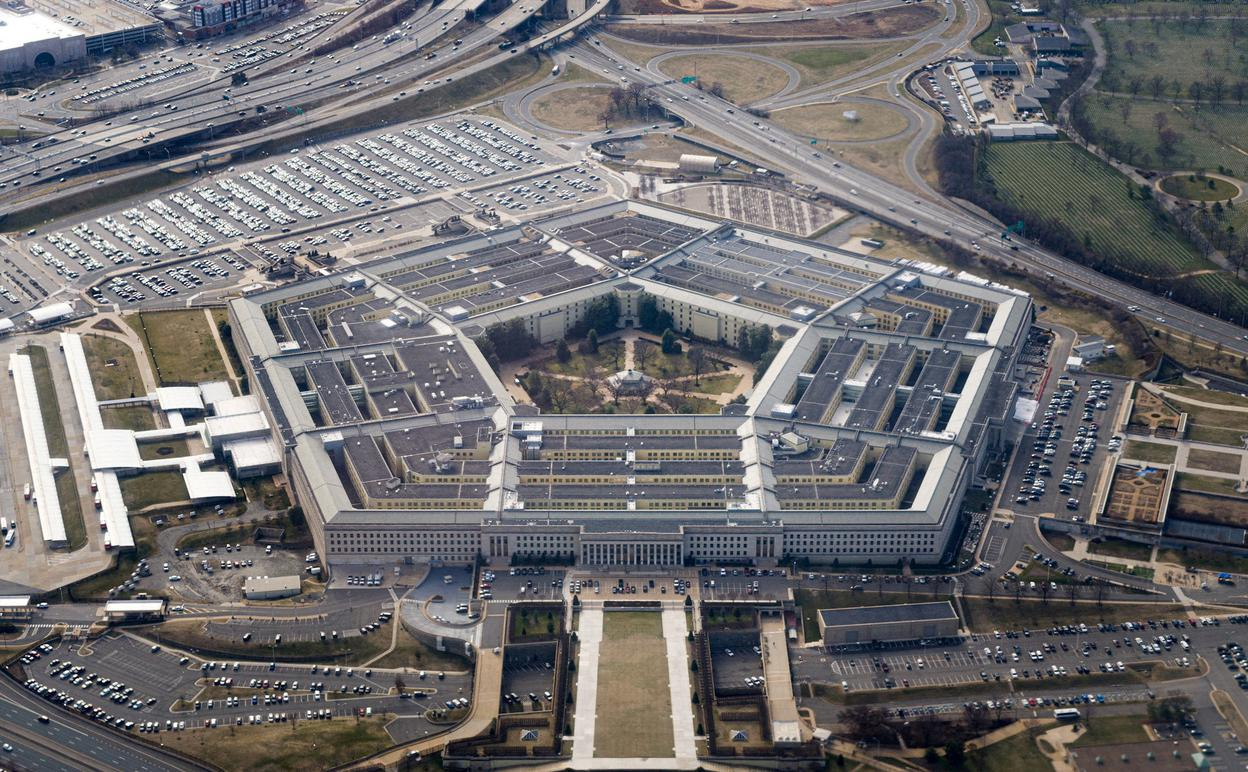
Potential Pentagon Shake-Up Looms as Trump Eyes Loyalty-Driven Military Leadership in Second Term

With Donald Trump poised to assume office, speculation swirls over potential widespread changes in the Pentagon. During his campaign, Trump promised to remove so-called “woke” generals, raising concerns among current military and civilian officials about an impending purge of personnel seen as disloyal or politically misaligned. Trump’s renewed focus on loyalty stems from past frustrations with military leadership, stemming from issues such as skepticism over NATO and hesitance to deploy U.S. troops for domestic security.

Trump’s criticism extends beyond the Pentagon’s ranks. Some former military leaders, including Trump’s ex-chairman of the Joint Chiefs, General Mark Milley, have voiced their own disapproval of his leadership, with Milley calling out Trump for alleged authoritarian tendencies. Now, Trump has openly suggested severe consequences, such as possible charges of treason for perceived disloyalty, even hinting at the execution of those he deems unfaithful.

Experts predict that Trump’s priority on loyalty may prompt him to oust high-ranking military officials and career Pentagon employees. Senator Jack Reed, chair of the Senate Armed Services Committee, warned that Trump’s approach could severely disrupt the Department of Defense, suggesting he would remove officials upholding constitutional principles. One figure likely to be scrutinized is the current Joint Chiefs Chairman, General C.Q. Brown, who has actively supported diversity initiatives and spoken out against discrimination in the military.

The emphasis on loyalty over experience could extend beyond military officials to civilian staff. Allies of Trump, including Vice President-elect J.D. Vance, have endorsed replacing federal employees with conservative loyalists, suggesting civil servants within the Department of Defense could also face loyalty tests. This has sparked concern that the ranks of experienced professionals, integral to defense operations, might be hollowed out, diminishing long-term expertise within the Pentagon. A senior defense official cited widespread anxiety, noting the potential for a “chaos premium” resulting from the scale of changes Trump’s administration may pursue.

Cultural issues have become key talking points. Trump’s campaign underscored plans to remove diversity-focused policies and reinstated a ban on transgender individuals serving in the military. Campaign materials amplified a hardline stance on “anti-woke” policy positions, framing transgender and social diversity policies as contrary to national strength. Trump has pledged to rename military bases honoring Confederate generals, signaling another reversal of progressive reforms.

More alarmingly, Trump’s broader policy agenda includes plans to mobilize the military in ways unseen in recent administrations. This could mean the use of National Guard or even active-duty troops to enforce immigration policy or quell domestic unrest, proposals that have sparked warnings among military experts. Such moves, they argue, could provoke public backlash and politicize the military, eroding its longstanding reputation as a respected, apolitical institution. Defense Secretary Lloyd Austin recently reminded the armed forces that they are required to follow “all lawful orders” but has cautioned that interpretation of the law could lead to contentious situations if morality or ethics are at stake.

Military analysts highlight that there is a misconception about whether soldiers can disobey morally questionable orders; in reality, service members are bound to obey lawful commands regardless of personal reservations. Kori Schake of the American Enterprise Institute notes the potential for confusion within the ranks if such high-level turnover and culturally divisive policies are implemented. For many, this loyalty-based purge could redefine the Pentagon’s operational culture for years to come, introducing political leanings into military service and straining its core missions.

As Trump prepares to enact sweeping changes, including possible amendments to federal employment policies, the Pentagon faces an uncertain future, with some officials predicting a transformation as profound as “2016 on steroids.” This period of heightened politicization could leave lasting consequences for the Department of Defense, possibly reshaping its core values and affecting the effectiveness of American military operations.
 

Trump’s Return Could Boost Asian Markets, Particularly in China and Japan

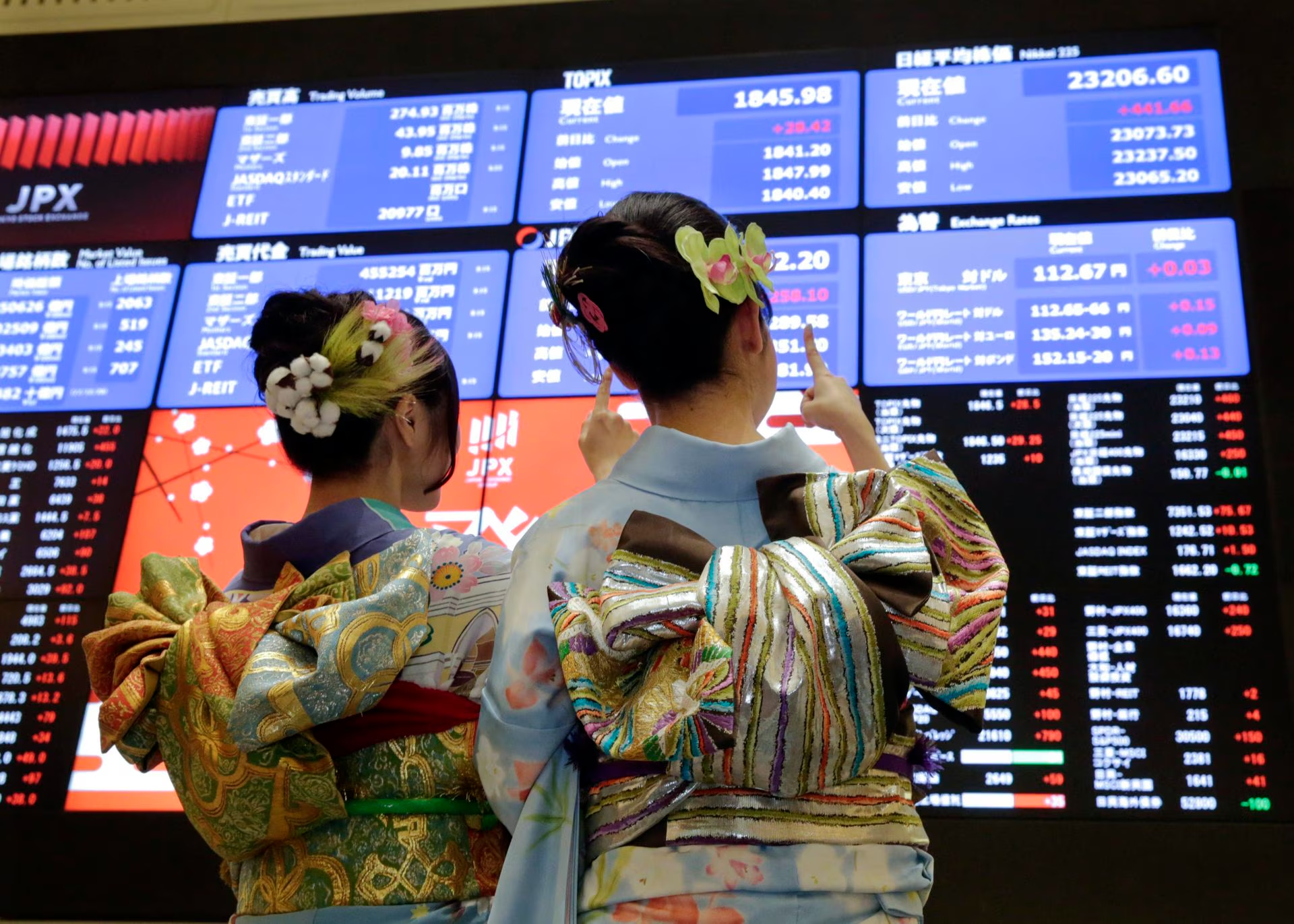
As President Donald Trump returns to office, Asian markets, including China, appear poised for resilience, with investors optimistic that the region’s economy can withstand potential tariffs and trade tensions better than Europe. While European sectors like automotive and renewables experienced declines, Asia’s financial markets displayed steadiness, underscoring confidence in the region’s ability to adapt to Trump’s trade policies.

Analysts note that Asia’s supply chains and export markets are structurally better equipped to navigate protectionist policies. China, in particular, is expected to counterbalance any potential external pressures by bolstering domestic demand, while India’s robust growth continues to attract investment. Japan’s financial markets also showed steady activity, with significant buying in industrial and financial sectors. Shinji Ogawa, co-head of Japan cash equities sales at J.P. Morgan in Tokyo, highlighted this investor confidence, attributing it to Japan’s anticipated interest rate hikes and economic measures expected from an upcoming policy meeting in China.

Historically, Trump’s trade policies led investors to favor U.S. equities, drawing funds from Asian markets, especially Hong Kong. However, those with diversified portfolios are now retaining their Asia investments. Ken Peng, head of Asia investment strategy at Citi Wealth in Hong Kong, believes that current economic conditions will likely sustain growth-focused investments in Asia, particularly in India, where economic momentum remains strong.

In Japan, stocks for automakers, banks, and capital expenditure-sensitive heavy machinery companies surged, indicating investor preference for industries set to benefit from renewed investment. In Vietnam, anticipation of expanded manufacturing boosted shares in companies such as Becamex, a key industrial park operator, while Kinh Bac City, which has a business relationship with Trump’s private conglomerate, also saw gains.

China’s Better Preparedness for Trade Tensions

During Trump’s first term, China faced significant economic strain from trade tensions, which impacted both growth and the yuan. This time, however, investors believe China is more prepared for Trump’s policies. Charles Wang, chairman of Shenzhen Dragon Pacific Capital Management, pointed out that China is now better equipped both economically and technologically to handle trade challenges.

Wang has taken a cautious approach, divesting from Chinese auto parts companies due to anticipated tariff impacts, but he remains invested in China’s property sector, expecting that the government will support it regardless of trade conditions. Further, China’s strategic pivot toward domestic demand has reduced the U.S.’s share in China’s export market, minimizing direct trade risks and potentially encouraging more supportive domestic policies. According to Dong Baozhen, chairman of Beijing-based asset manager Lingtong Shengtai, heightened tariffs may reinforce China’s focus on internal demand, fostering policies that encourage local economic growth.

Capital Flows and Potential Opportunities

Despite recent fluctuations in the yuan, foreign long-only funds purchased $11.1 billion in Chinese equities through October, according to Morgan Stanley, with outflows remaining limited. Investors anticipate that Beijing will soon unveil a stimulus package, providing further stability.

Trump’s proposed domestic tax cuts may also benefit Asian markets indirectly, potentially boosting demand for Chinese goods. Some analysts see Trump’s isolationist policies as an opportunity for China to strengthen relations with other global markets, including Europe. Robert St Clair, head of investment strategy at Fullerton Fund Management, noted that Trump’s pragmatic approach as a businessman might lead him to manage tariff levels carefully, recognizing China’s significant role in high-value industries.

Ultimately, while challenges from U.S.-China trade dynamics remain, many investors are confident that China and broader Asian markets are better equipped to manage them, with Trump’s policies potentially opening new avenues for growth across the region.


Trump Victory Could Boost Elon Musk’s Vision of Mars Missions

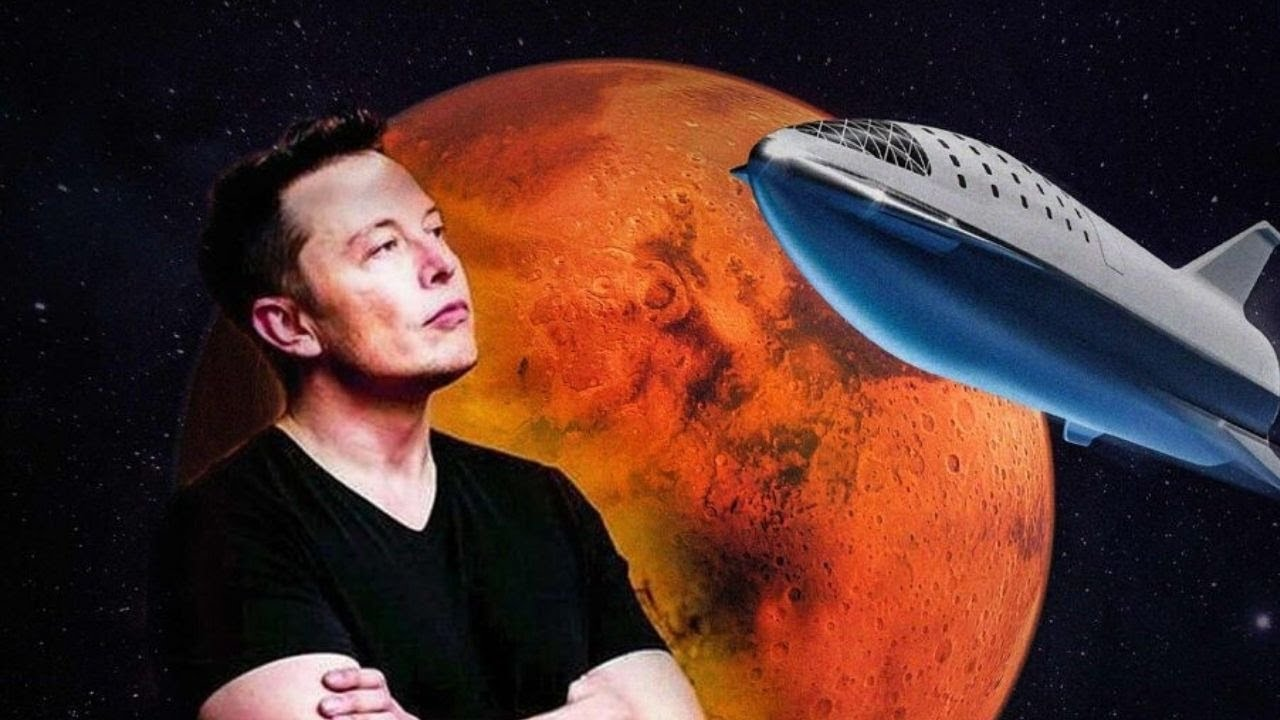
Elon Musk’s ambition to transport humans to Mars may gain momentum under President-elect Donald Trump, according to sources familiar with Trump’s space policy plans. NASA’s Artemis program, which involves Musk’s SpaceX Starship rocket, currently aims to place humans on the moon as a step toward Mars missions. Under the new administration, however, the program is expected to prioritize Mars more directly, with potential uncrewed missions as soon as this decade.

This shift aligns with Musk’s long-term goal of making Mars humanity’s next frontier. Known for wearing an “Occupy Mars” shirt at a Trump rally in October, Musk has strongly endorsed the incoming president, contributing $119 million to Trump’s campaign and heightening the visibility of space policy during the transition.

Sources indicate that the Trump administration’s approach to NASA will focus more intensively on Mars, seeing the moon as a mere “launching pad” for a Mars mission. Doug Loverro, a space industry consultant who led NASA’s human exploration unit during Trump’s previous term, notes that a Mars-centered agenda could make the Red Planet an explicit objective. Yet, an intensified Mars focus also poses increased financial and technical challenges, especially in comparison to lunar missions.

Trump’s influence on space policy isn’t new: he launched NASA’s Artemis program in 2019, which the Biden administration maintained. However, Trump’s advisers now plan to push for changes in Artemis to correct what they perceive as stagnation since their last administration. This could entail shifting from costly government contracts to fixed-price agreements with private companies, which would transfer greater responsibility—and risk—to firms like SpaceX.

Under Musk’s influence, the Trump administration may also look to reduce regulatory constraints, particularly at the Federal Aviation Administration (FAA). Musk has long voiced frustration over the FAA’s commercial space regulations, which he argues have delayed SpaceX’s Starship program. Deregulation could thus expedite private rocket launches, aiding Musk’s vision for Mars.

Such policy shifts may impact NASA’s $24 billion Space Launch System (SLS) rocket, a government-owned project led by Boeing and Northrop Grumman since 2011. If Artemis pivots toward Mars, the SLS program could face scrutiny, as critics argue it has drained NASA’s budget while struggling with delays. Nonetheless, canceling the program would be difficult due to the potential job losses and greater reliance on SpaceX for space missions.

Musk, who also heads Tesla and Neuralink, is known for setting ambitious timelines. He recently claimed that SpaceX could land Starship on Mars by 2026, with a crewed mission following by 2030. Trump has publicly discussed these Mars aspirations with Musk, although experts are cautious about the feasibility. Scott Pace, Trump’s top space policy official during his previous term, believes that while a one-way Starship mission to Mars might be achievable, a fully crewed mission remains unlikely within such a short timeline.

Plans for Musk’s Mars vision could change as the Trump transition team finalizes its policy agenda. For now, it appears that both Musk and Trump are aligned in their drive to push the boundaries of space exploration, targeting Mars as a significant goal for the near future.